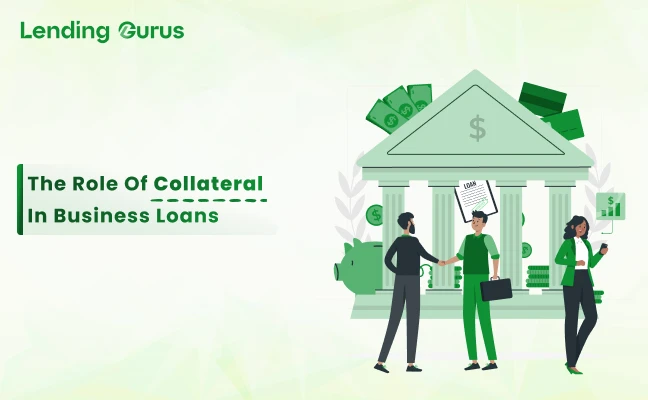

For many entrepreneurs and small business owners, securing financing is vital for growth. However, obtaining a business loan often comes with a key requirement—collateral. Understanding what collateral is, and how it affects your eligibility, is essential when applying for a collateral business loan.
What is Collateral in Business Lending?
Collateral is an asset—tangible or intangible—that a borrower offers to a lender to secure a debt. In the event of default, the lender can seize the asset to recover the unpaid amount. In the context of a business loan with collateral, this could include real estate, equipment, vehicles, inventory, accounts receivables, or even cash reserves.
New or small businesses, which might lack extensive financial history, often provide personal assets or guarantees as collateral. Properly utilizing collateral for business loans provides reassurance to lenders and increases a borrower’s credibility.
Why Collateral Matters to Lenders
To a lender, collateral will decrease the risk of lending out money. In the situation when a business provides some valuable assets to get a loan, it helps the lender to understand that the borrower is serious and has something to lose in case of default. This reduces the risk of loss that the lender is exposed to and it also makes the borrower a better proposal to provide funds.
By offering suitable collateral for a business loan, borrowers can also benefit from larger loan amounts, lower interest rates, and longer repayment periods. In some cases, having adequate collateral is the deciding factor between a rejected and approved loan application.
Types of Business Loans That Require Collateral
While not every business loan requires collateral, many traditional loan types do. Below are some common examples that typically involve collateral business loan structures:
- Term Loans: Term loans are traditionally considered the most versatile business financings available. These loans provide capital in a lump sum which is supposed to be repaid within the fixed time period, with interest. Because of the larger amounts offered and the extended terms of loan repayment, the lender usually asks the borrower to secure the loan through some sort of collateral.
- SBA Loans: SBA loans, being guaranteed by the U.S. Small Business Administration or an equivalent government agency in other countries, are developed to enhance the entrepreneurship environment with flexible financing. These loans are only partly secured by the government, so lenders normally would require some collateral, especially when the loan amount is high. Usually, borrowers are expected to pledge whatever business or personal assets they have available.
- Asset-Based Loans: These loans are directly secured by business assets. Common types of collateral for business loans in this category include accounts receivable, inventory, or other liquid assets. Asset-based financing is ideal for businesses with strong balance sheets but inconsistent cash flow.
- Equipment Financing: Equipment Financing is a specific loan that is taken to purchase equipment for operations—such as vehicles, tools, or machinery. Most often, the heavy equipment financing constitutes the collateral itself. If the borrower defaults, then the lender may repossess the equipment to meet the creditors’ demands. This type of financing proves useful since it requires no other collateral except that which is being purchased and allows the business to keep their working capital intact while investing in equipment.
Read: Different Types of Small Business Loans & How to Choose the Right Loan for Your Business
Unsecured Loans: An Alternative to Collateral?
Financing alternatives exist which do not need the conventional collateral–they are called unsecured loans. The loans are founded on creditworthiness of the borrower, the business performance among other non-collateral grounds. Although unsecured loans may seem attractive to business entities that do not have considerable assets, they are usually subject to trade-offs, including charged higher interest rates, limited amount of loans, and shorter payment terms.
Unsecured loans can suit the business that has an excellent credit history, steady income, and requires financing in the short term. But the absence of collateral increases the risk of the lender, and they will usually compensate by being more demanding in their terms.
Read: Secured or Unsecured SBA Loans: What You Need to Know
Tips for Using Collateral Wisely
1. Understand the Value of Your Assets
Before offering anything as collateral, ensure that you are versed in current market value. Overestimating a price gives rise to unrealistic loan expectations, whereas under-pricing could give rise to underfunding. If the price is not a point of debate, a professional appraisal should be at hand, especially if it involves high-value items such as property or machinery.
2. Match Collateral to Loan Purpose
A collateral should, wherever possible, be matched to the purpose of the loan. For instance, equipment being bought through a loan can also serve as security. This would make the loan process simpler, and would not put unrelated business or personal assets at unnecessary risk.
3. Avoid Over-Collateralizing
Normally, lenders ask for collateral equivalent to the loan value, but do not pledge more than necessary. Offering extra or oversized assets could impede your ability to utilize those assets for other needs in the future. Always negotiate the collateral to correspond with the loan amount.
4. Diversify Your Collateral Sources
If your enterprise owns different types of assets such as castings, accounts receivable, and properties, think of parting the security interest across various categories. This reduces the risk of losing a big asset all at once in case of default and also buys you more freedom to structure your loan agreement.
5. Know the Risks of Default
Collateralization brings this added responsibility to a loan agreement. Should the borrower default on the terms by going out of business, the assets would be at risk. Be confident in your ability to repay the loan before risking any significant property.
Final Thoughts
Collateral plays a pivotal role in the world of business lending. It not only secures the lender’s investment but also strengthens the borrower’s credibility. Whether you’re a startup needing capital or an established company looking to expand, knowing how to leverage your business assets can open doors to funding opportunities that may otherwise be out of reach. While collateral-based loans can offer better terms and access to larger funds, it’s essential to weigh the risks and choose a loan structure that aligns with your business goals.
Originally Posted at: Collateral in Business Loans

























Sign in to leave a comment.