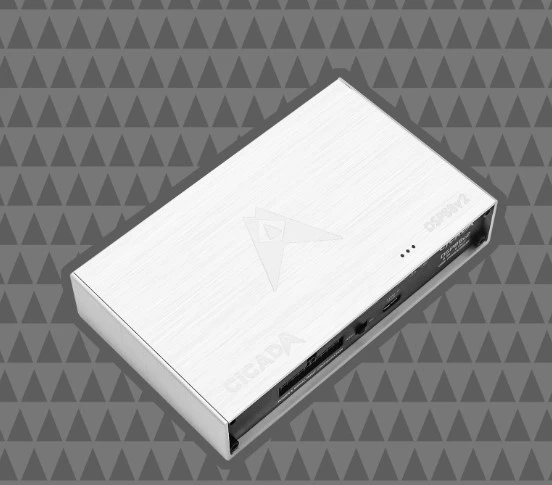
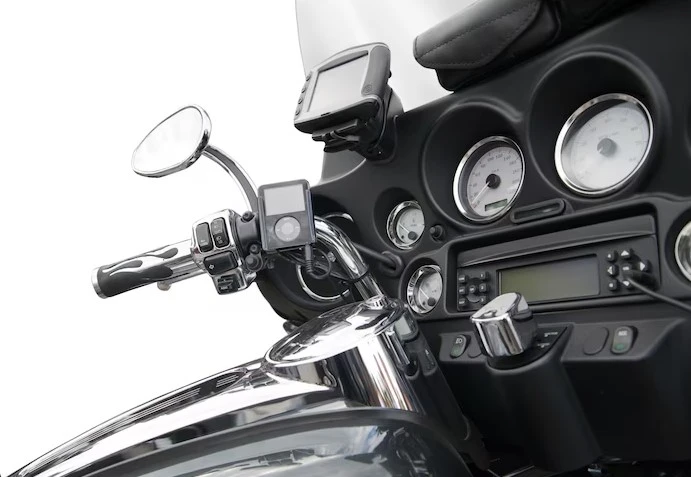
Riders who crave clean, detailed sound on the open road know that stock motorcycle audio just doesn’t cut it. Between wind, engine noise, and road conditions, even high-end speakers struggle to shine without fine-tuning. That’s where a DSP with Bluetooth control for motorcycles comes into play, giving you complete control over your sound system without pulling over or popping the seat.
But is it actually worth the upgrade? Let’s take a closer look at how a digital signal processor transforms your riding experience, and whether it lives up to the hype.
What Does a DSP Actually Do?
A DSP, or Digital Signal Processor, allows you to shape and customize audio signals before they reach your speakers or amps. Instead of relying on your head unit’s basic tone controls, you can dive into precise equalization, time alignment, crossover settings, and more.
For motorcycle riders, this means:
l Sharper mids and highs that cut through engine and wind noise
l Cleaner bass without muddy distortion
l Balanced sound across all speaker locations, even in uneven or open bike setups
A DSP with Bluetooth control for motorcycles adds the ability to manage all of that wirelessly. You can make real-time tweaks through your phone, tablet, or another Bluetooth device, no tools, no cables, no pulling over to adjust settings.
Why Bluetooth Control Changes the Game?
Control is everything when you're on two wheels. With Bluetooth integration, you can adjust your sound mid-ride or during a stop, without needing a laptop or complex interface. Whether you're tuning for a solo cruise or dialing it back for a group ride, Bluetooth makes it fast and effortless.
This flexibility is what really separates modern DSPs from traditional tuning options. You can:
l Create and save multiple sound profiles for different ride styles
l Make fine adjustments on the fly depending on your environment
l Eliminate the need to guess at EQ settings while parked in a garage
In short, a DSP with Bluetooth control for motorcycles gives you freedom, and that’s what riders value most.
More Channels, More Customization
If your setup includes multiple speakers, amps, or subwoofers, a higher channel count gives you more precision. An 8-channel DSP for motorcycle audio offers individual control over each component in your system. This means you can fine-tune front and rear speakers separately, or adjust your tweeters and midrange speakers without affecting your bass response.
The benefit? Balanced sound no matter your speed or riding position. Even with fairings, saddlebags, or custom pods, an 8-channel setup ensures every element of your system works in harmony, instead of clashing.
This level of control used to be reserved for car audio pros. Now it’s accessible to riders who want clean, powerful sound without overcomplicating their setup.
Is It Overkill for Casual Riders?
Honestly, not every rider needs a full-featured DSP. If you're rolling with basic speakers and no amp, a DSP might be more than you need. But for those who’ve invested in a multi-speaker or amp-driven setup, skipping the DSP is like buying high-end tires but never balancing them.
An 8-channel DSP for motorcycle audio becomes essential when you want the full return on your gear investment. It lets you get the most from every watt, every speaker, and every ride.
Final Thoughts
So, is a DSP with Bluetooth control for motorcycles worth it? Absolutely, if sound quality matters to you. It’s not just a luxury add-on. It’s a practical tool that bridges the gap between your system’s potential and what you actually hear on the road.
And if you’ve got a complex audio setup, an 8-channel DSP for motorcycle audio gives you the precision and control you need to make it sound exactly the way you like, whether you're cruising a scenic backroad or blasting down the highway.
In the end, it’s about having gear that keeps up with your ride and your ears.

























Sign in to leave a comment.