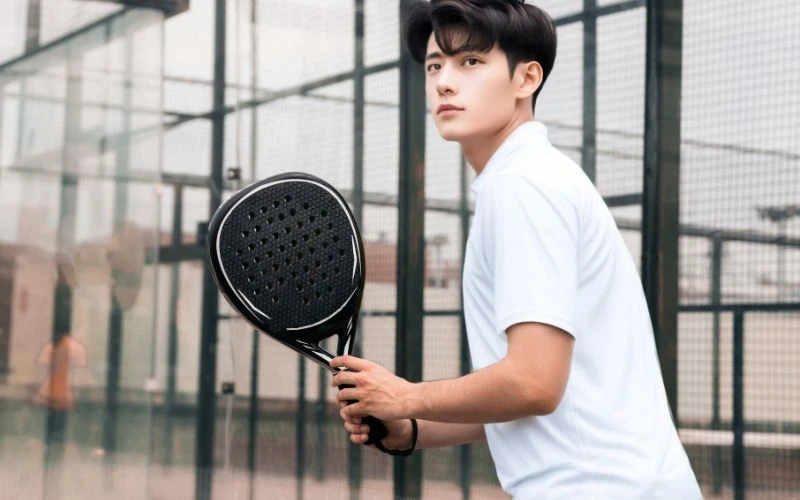

A 2023 recreational sports survey revealed something uncomfortable: more than 60% of amateur racket-sport players are using equipment designed for professionals. It's clear that pro gear means better performance. On the court, the opposite happens a lot.
I’ve watched it play out again and again. A player turns up with a sleek, high-end racket. It looks impressive. Then the mishits start. Control disappears. Confidence follows. The problem isn’t effort or talent. It’s the wrong tool.
If your game feels inconsistent or physically demanding, your racket may be working against you.
1. Pro Rackets Punish Small Mistakes
Professional racket paddle for tennis are built for precision. Smaller sweet spots. Stiffer frames. Less forgiveness.
That’s perfect for elite players who hit cleanly every time. For everyone else, off-centre contact means lost power, unstable shots, and harsh vibration. Beginner rackets are made to do the opposite: they fix mistakes and keep more shots in play and rallies going.
In equipment trials conducted across European padel clubs, recreational players using forgiving rackets landed nearly 20% more shots in play than when using advanced models.
2. Too Much Power Hurts Control
Power isn’t what most players lack. Control is.
Pro rackets make the ball move quickly without any effort, which sounds beneficial until the ball starts to fly long. Players slow down their swings, think twice about their shots, and play it safe. Beginner rackets offer controlled power, allowing you to swing freely without constantly reining yourself in.
Better control leads to better decision-making. And better results.
3. Weight and Balance Drain Your Energy
Advanced rackets are often heavier and more head-loaded. That assumes excellent timing, strength, and footwork.
If those aren’t fully developed, fatigue sets in fast. Reactions slow. Late contact creeps in. Beginner rackets are lighter and more evenly balanced, helping you move faster at the net and maintain form deep into matches.
Biomechanics research shows lighter rackets can reduce swing fatigue by up to 30% in recreational players over a single session.
4. Stiff Materials Increase Injury Risk
Carbon-heavy pro rackets transmit more shock into the arm, especially on mishits. Over time, that can lead to elbow, wrist, or shoulder pain.
Beginner rackets use softer cores and vibration-dampening materials. According to sports medicine data, amateur players using more flexible rackets reported over 40% fewer overuse injuries.
Comfort isn't a luxury; it's a long-term benefit.
5. Pro Gear Slows Skill Development
When a racket feels unforgiving, players adapt in the wrong ways: shorter swings, safer shots, less experimentation. Progress stalls.
Beginner rackets help you feel more confident, practice more, and improve your technique. If you're looking for a padel racket online or in a store, the right one should help you learn, not hurt you.
Final Thought
A beginner racket isn’t a step backward. It’s a smarter step forward.
The best equipment isn’t the most advanced—it’s the one that lets you play freely, consistently, and without fear. And that’s how real improvement happens.





















Sign in to leave a comment.