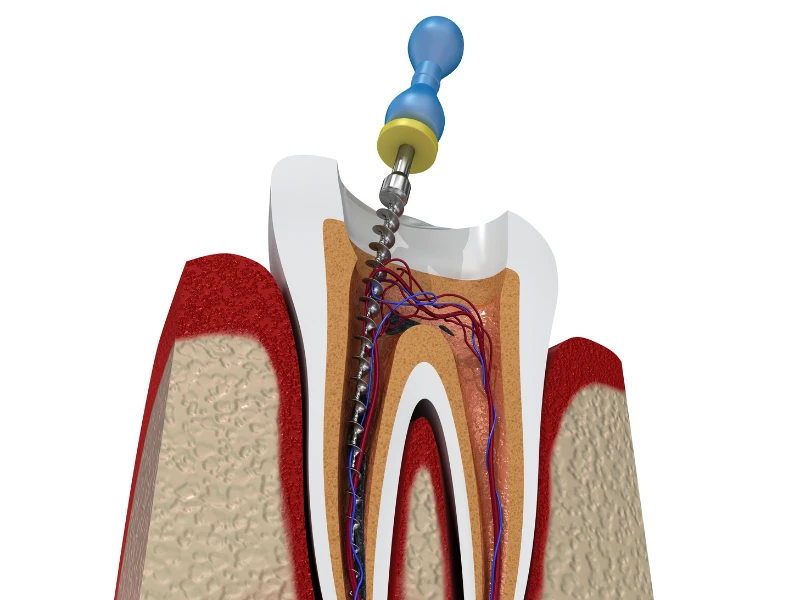

When someone hears the words "root canal," one of the first things that comes to mind is pain. For years, root canals have had a reputation as one of the most painful dental procedures, leaving many people anxious and hesitant about the experience. But is a root canal truly as painful as it’s made out to be? The reality may surprise you. This article will discuss the root canal procedure, its necessity, why you might need one, and what to expect regarding discomfort or pain.
Whether you’re scheduled for a root canal or just want to understand it better, here’s what you need to know.
1. What is a Root Canal?
Before we discuss the myths surrounding the pain factor, let's clarify what a root canal is. A root canal is a dental procedure that saves a tooth that is severely decayed or infected. Instead of removing the damaged tooth, the dentist removes the infected or damaged pulp inside the tooth, cleans and disinfects the area, and then fills and seals it. This procedure helps eliminate pain from an infected tooth and prevents further infection from spreading to surrounding areas.
The pulp chamber is the part of the tooth that contains nerves, connective tissue, and blood vessels. When it becomes inflamed or infected due to deep decay, repeated dental procedures, cracks, or trauma, it can cause severe discomfort. The tooth can continue functioning by removing the infected pulp, and the pain typically subsides after treatment.
2. Why Might You Need a Root Canal?
You may need a root canal if you experience symptoms indicating that your tooth’s pulp is infected or damaged. Some of these symptoms include:
- Persistent toothache: A toothache that lingers and doesn’t respond to typical over-the-counter pain relief may indicate that the pulp is inflamed or infected.
- Sensitivity to hot or cold: If you experience prolonged sensitivity after exposure to hot or cold food or drinks, it might be due to damaged pulp.
- Swelling and tenderness: Pain and swelling in the gums or face can indicate a tooth infection.
- Darkening of the tooth: This can happen when the pulp is severely damaged.
- Abscess: A pimple-like bump on the gum near the affected tooth can indicate an infection.
Root canals are essential in preserving the tooth and preventing the spread of infection, which, if untreated, could lead to more serious health issues.
3. Is a Root Canal Really Painful?
The simple answer is no. A root canal isn’t as painful as people often think. While the procedure may sound intimidating, advancements in dental technology and anesthesia have made it relatively painless. Many patients report that getting a root canal is no more uncomfortable than getting a filling.
Here’s a closer look at why the pain reputation doesn’t hold up today:
- Anesthesia: Dentists use local anesthesia to numb the area around the affected tooth, ensuring that you don’t feel pain during the procedure. You may feel a slight prick when the anesthesia is administered, but after that, the area will become numb, and the procedure itself should be pain-free.
- Modern Techniques: Advances in dental equipment and techniques make the process more efficient and comfortable. Dentists can perform root canals more precisely, minimizing discomfort and ensuring a faster recovery.
- Pain Relief after the Procedure: Any discomfort after the procedure can typically be managed with dentist-suggested pain relievers. Most people experience a significant reduction in pain once the infected pulp is removed.
4. What to Expect During the Procedure
Understanding what happens during a root canal can make the experience less fearful. Here’s a step-by-step guide:
- Initial Exam and X-Rays: The dentist will examine your tooth and take X-rays to assess the extent of the infection or damage.
- Numbing the Area: Local anesthesia is applied to numb the tooth and surrounding area. You may feel slight sting when the needle goes in, but the area will numb afterward.
- Accessing the Pulp: The dentist drills a small opening in the top of the tooth to access the infected pulp.
- Cleaning the Canals: The dentist uses tiny instruments to remove the infected or damaged pulp inside the tooth. They will clean and disinfect the canals to ensure no bacteria are left behind.
- Filling and Sealing: Once cleaned, the empty space is filled with a rubber-like gutta-percha material. The tooth is then sealed to prevent future infection.
- Final Restoration: In most cases, a crown is placed on the tooth to restore its structure and function. Depending on the extent of the restoration needed, this step may happen immediately or during a follow-up visit.
5. What About Pain After the Root Canal?
It’s normal to experience some discomfort after the anesthesia wears off, but this is usually mild and short-lived. Many people describe the post-procedure feeling as similar to the soreness experienced after a filling or extraction.
Here’s what you can do to manage any discomfort:
- Dentist-prescribed pain relief: Ibuprofen or acetaminophen can help reduce any soreness you may feel after the procedure.
- Avoid hard or chewy foods: For the first few days, stick to softer foods to avoid putting pressure on the tooth.
- Follow your dentist’s instructions: Your dentist may provide you with specific aftercare guidelines, such as using a saltwater rinse or avoiding certain types of food.
If the discomfort persists or becomes severe, contact your dentist. Prolonged pain could indicate an issue, but this is rare with root canals performed by experienced professionals.
6. Why Root Canals Get a Bad Reputation
Root canals have historically been associated with pain, but this is largely due to outdated perceptions and misunderstandings. In the past, dental technology wasn’t as advanced, and anesthesia options were more limited, making the procedure more uncomfortable than it is today.
Additionally, people often associate the pain of an infected tooth with the procedure itself. However, the infection, not the root canal, causes the initial discomfort. A root canal helps relieve this pain by removing the source of the infection.
7. Is a Root Canal Better than Tooth Extraction?
Many people find it challenging to choose between a root canal and an extraction. Root canals make it possible to preserve a natural tooth, which is preferable in most cases. Extracting a tooth leaves a gap that may require a dental implant or bridge to maintain alignment and prevent other teeth from shifting.
A root canal allows you to keep your natural tooth, which is often better for oral health in the long run. Additionally, root canals generally have a high success rate, and a treated tooth can last a lifetime with proper care.
8. Tips to Avoid Root Canals in the Future
While root canals are safe and effective, avoiding them when possible is ideal. Here are some tips to help you reduce your risk of needing a root canal in the future:
- Practice good oral hygiene: Brush twice daily, floss daily, and use mouthwash to remove bacteria.
- See your dentist regularly: Regular check-ups and cleanings can help catch any potential issues early on.
- Wear a mouthguard if you play sports: Protecting your teeth from trauma can prevent cracks or chips that might lead to infection.
- Avoid chewing on hard objects: Things like ice or hard candy can damage your teeth and increase your risk of needing a root canal.
9. When to See Your Dentist
If you experience symptoms like persistent tooth pain, temperature sensitivity, or swelling around your gums, it’s important to consult your dentist. Addressing these issues early can improve treatment options and outcomes.
Your dentist will help determine whether a root canal is the right solution or if there are other options to consider.
10. The Takeaway
So, is a root canal really painful? The answer is generally no, thanks to advancements in dental technology and anesthetic options. Root canals are designed to relieve pain, not cause it. While you might experience some discomfort during recovery, the procedure is usually no more painful than a routine filling.
If you’re nervous about an upcoming root canal, remember it’s a standard, effective treatment for saving a tooth and preventing further issues. With the proper care, a tooth treated with a root canal can continue to serve you well for many years. And, if you ever have questions or concerns, your dentist is there to support you and make the process as comfortable as possible.
Root canals aren’t what they used to be.
Today, they’re a valuable part of modern dentistry that helps preserve teeth and improve quality of life. By understanding the procedure and knowing what to expect, you can face a root canal with confidence and peace of mind.
If you want painless root canal treatment in Ghatkopar, visit Om Datta Dental Clinic. Here, modern techniques and skilled professionals can ensure a comfortable experience. Say goodbye to dental anxiety with advanced, minimally invasive procedures that make root canal treatments stress-free.
Author: OM Datta Dental clinic
Clinic Name: OM Datta Dental clinic
Address:305, Trafficlite, 3rd Floor, Mahatma Gandhi Rd, near Bank of Baroda, Ghatkopar, W, Mumbai, Maharashtra 400086
Phone Number: 09869944872
Social Links: https://www.facebook.com/omdattadentalclinic/




























Sign in to leave a comment.