

The baritone saxophone is a powerful and visually striking instrument in the saxophone family. Known for its deep, rich tones and large size, it holds a special place in jazz bands, concert bands, and saxophone ensembles. But many beginners and even intermediate players wonder: is baritone saxophone hard to play? This article explores the challenges and rewards of mastering the baritone saxophone, giving you a thorough understanding of what to expect when you pick up this remarkable instrument.
Understanding the Physical Size and Weight
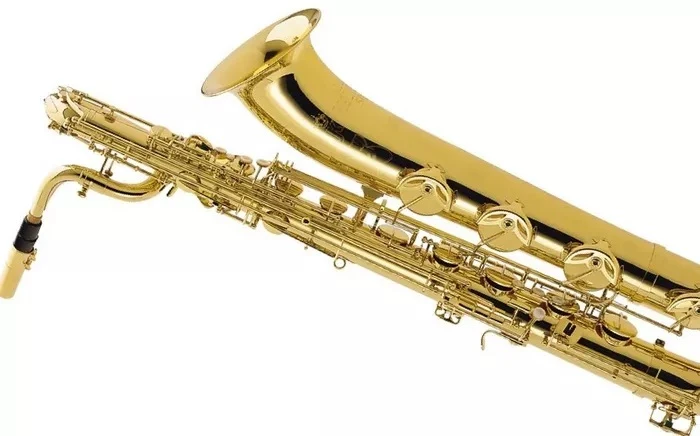
One of the first challenges people notice about the baritone saxophone is its size. Compared to soprano, alto, or tenor saxophones, the baritone saxophone is significantly larger and heavier. This weight can range between 9 to 13 pounds depending on the model and materials used. For beginners, this means managing the instrument physically requires good posture and stamina. Holding and supporting the baritone saxophone comfortably, especially for long practice sessions or performances, takes some getting used to.
Because of its weight, many players use harnesses or neck straps designed specifically for the baritone saxophone to help distribute the load. Developing the necessary strength and endurance to hold and control the instrument steadily is an important part of the learning curve.
The Complexity of the Fingering System
The baritone saxophone shares the basic fingering system with other saxophones in the family, like alto and tenor. If you have experience with other saxophones, transitioning to the baritone will feel familiar in terms of finger placement and technique. However, because of its larger size, the spacing between keys and their travel distances can be slightly different. This may require adjustments to finger strength and dexterity.
For beginners, the fingering system can initially seem complex, especially when navigating lower notes and alternate fingerings. But with regular practice, muscle memory develops, making playing fluid and natural over time.
Breath Control and Air Support Challenges
Playing the baritone saxophone demands more breath support than smaller saxophones. Due to its larger bore and longer tubing, producing a clear, full sound requires steady, deep breath control and good lung capacity. Beginners often find it tiring to sustain notes, especially in the low register, until they build up their respiratory strength.
Proper breathing techniques, such as diaphragmatic breathing and controlled airflow, are essential. Players need to develop stamina to maintain consistent tone quality throughout extended pieces or demanding passages. This challenge is a key reason why some people feel the baritone saxophone is hard to play initially.
Tuning and Intonation Considerations
The baritone saxophone’s size also impacts tuning. Achieving accurate intonation can be tricky because small variations in embouchure (mouth shape), air pressure, and even posture can cause the pitch to fluctuate. The large mouthpiece and reed setup require fine adjustments to ensure the instrument plays in tune across its entire range.
Developing an ear for pitch and learning how to adjust your embouchure and breath to keep the instrument in tune is a skill that comes with practice. Beginners should be patient, as tuning the baritone saxophone consistently is one of the more subtle challenges to master.
Mastering the Low Register
The baritone saxophone is prized for its deep, resonant low notes. However, these notes are among the most difficult to play cleanly and with good tone. The instrument’s size means the low register requires more controlled air support and precise finger coordination. Beginners often struggle with producing clear, strong low notes without breathiness or cracking.
Practice exercises focused on long tones and low-register scales can greatly improve control and tone quality. Over time, players learn to balance air pressure and finger movement to achieve the rich sound the baritone saxophone is known for.
Learning Curve and Time Investment
Like any musical instrument, the baritone saxophone has its own learning curve. While the basics of saxophone playing apply, the physical demands and tonal challenges mean beginners may find progress slower than with smaller saxophones. It’s important to set realistic expectations and commit to consistent practice.
Most players report that after the first few months, many technical challenges become easier as muscle memory, breath control, and embouchure develop. With dedicated practice, a beginner can expect to play simple tunes confidently within six months to a year.
Musical Styles and Opportunities
Though the baritone saxophone is often associated with jazz and big band music, it’s also common in funk, rock, classical, and even pop settings. Learning the instrument opens doors to a wide range of musical styles and ensemble opportunities.
The versatility of the baritone saxophone means that mastering it can be very rewarding, offering unique sonic possibilities not available on other saxophones. This can motivate players to push through the initial difficulty and keep improving.
Essential Tips to Overcome Difficulty
Here are some professional tips to help you manage the challenges and make learning the baritone saxophone less hard:
Use proper support: Invest in a good neck strap or harness to manage the instrument’s weight.
Focus on breathing: Practice breathing exercises to build lung capacity and control.
Start slow: Begin with long tones and scales before attempting complex pieces.
Regular maintenance: Keep your instrument clean and properly adjusted for best playability.
Work with a teacher: A qualified instructor can guide you through technique and intonation challenges.
Stay patient and consistent: Progress takes time, so practice regularly and celebrate small victories.
Comparing Baritone Saxophone to Other Saxophones
For those wondering if the baritone saxophone is harder to play than other saxophones, the answer depends on several factors. Physically, it demands more strength and breath support. Technically, the fingerings are similar, so prior saxophone experience helps. Musically, the baritone’s deep tone and role often require a different mindset, focusing on foundational rhythm and harmony rather than fast melodic runs common on alto or soprano saxophones.
Many players who have experience with alto or tenor saxophones find the baritone saxophone challenging at first due to size and breath control but rewarding once they adapt.
Conclusion
In conclusion, the baritone saxophone presents unique challenges that can make it seem hard for beginners. Its size, weight, breath control demands, and tuning sensitivity require patience, physical stamina, and focused practice. However, the fingering system is consistent with other saxophones, which eases the learning process for those with previous saxophone experience.
With dedication and the right approach, the baritone saxophone is not impossibly hard—it’s a highly rewarding instrument that offers a distinctive voice and exciting musical possibilities. If you’re passionate about its sound and willing to invest the time, you can master the baritone saxophone and enjoy its powerful presence in any ensemble.






























Sign in to leave a comment.