
If you've scrolled through social media in the last few years, you've probably seen it: someone brushing with a jet black paste that somehow leaves their teeth looking a shade or two whiter by the end of the video. Charcoal toothpaste has been having a moment for a while now, and it's easy to see the appeal. It looks dramatic, it feels a bit edgy, and it promises a whiter smile without bleaching trays or a trip to the dentist. But does it actually do what it claims, or is this one of those trends that looks better on camera than it works in real life?
What's Actually in the Tube
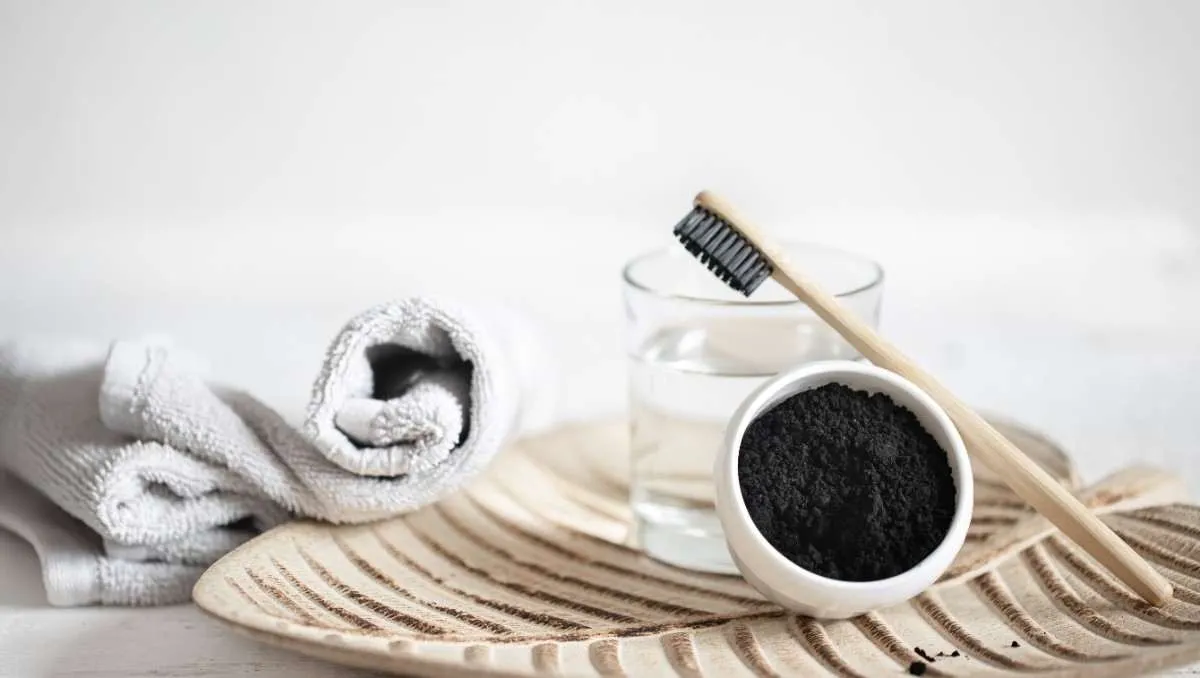
Charcoal toothpaste is made with activated charcoal, a fine black powder usually produced from coconut shells or wood that's been treated under heat to make it extra absorbent. It's the same basic material used in some medical settings to help absorb toxins, which is part of why it gets marketed as this natural, almost detoxifying ingredient. In your mouth, though, it's doing something much simpler: it's acting as a mild abrasive, physically scrubbing at the surface of your teeth as you brush.
Does It Actually Whiten Teeth?
Here's where things get a bit more honest than the marketing suggests. Charcoal can genuinely help lift surface stains, the kind that build up from your morning coffee, a glass of red wine, or the odd cigarette. Because it works through simple mechanical scrubbing, it can make teeth look a little brighter fairly quickly, which is exactly why people are so quick to post about it.
The catch is that most of the discolouration people actually want to fix doesn't sit on the surface. It sits deeper in the tooth, and no amount of scrubbing from the outside touches that. So charcoal toothpaste can tidy up recent surface staining, but it's not doing anything close to what a proper whitening treatment does.
The Part Nobody Puts in the Video
Abrasiveness is a double-edged sword. The same scrubbing action that lifts surface stains is also wearing away at your enamel, the hard outer layer protecting your teeth, every single time you brush. Dentists measure how abrasive a toothpaste is using something called the RDA scale, and most professional bodies recommend staying under 250 for everyday use. A lot of charcoal toothpastes on the market either don't publish this number or sit well above what's considered safe for regular, daily brushing.
Over time, that extra wear can thin your enamel, and thinner enamel tends to mean more sensitivity and a higher chance of decay down the track. There's also the fact that a lot of charcoal formulas skip fluoride entirely, which is a bit of an odd trade off when you think about it: you're potentially wearing down your enamel while also removing one of the main things that helps protect it.
Who Should Steer Clear Completely
If you already deal with sensitive teeth, thinning enamel, or you're prone to cavities, charcoal toothpaste is probably one trend worth skipping. The same goes if you have crowns, veneers, or other dental restorations, since abrasive scrubbing can dull or damage these surfaces in a way that's genuinely tricky to reverse. This matters even more for anyone considering or already living with dental implants in Diggers Rest, since the surrounding gum tissue and restoration surfaces need gentle, consistent care rather than a rough daily scrub. If any of this sounds like you, it's worth having a quick chat with your dentist before adding anything new and abrasive into your routine.
If You Still Want to Try It
Not every dentist will tell you to avoid charcoal toothpaste completely, and using it occasionally, rather than as your everyday toothpaste, seems to be where most professional opinion lands. If you're curious, using it once or twice a week rather than daily, alongside your normal fluoride toothpaste the rest of the time, is a reasonable middle ground. It's also worth actually reading the label and looking for a lower RDA rating if the brand publishes one, rather than assuming "natural" automatically means gentle.
What Actually Works Better
If whiter teeth are the real goal, there are options that get you there without the enamel trade off. Professional whitening, whether that's an in-chair treatment or custom take-home trays fitted by your dentist, works on a much deeper level than surface scrubbing ever could, and it's done with your specific teeth and any sensitivity in mind. ADA-recognised whitening toothpastes are also a far gentler everyday option, since they're formulated to lift stains without the same level of abrasion.
Conclusion
Charcoal toothpaste isn't some miracle whitening hack, and it isn't quite the villain some headlines make it out to be either. It sits somewhere in the middle: genuinely capable of shifting light surface stains, but not doing anything for deeper discolouration, and carrying a real risk of enamel wear if it becomes part of your daily routine rather than an occasional extra. If you're chasing a brighter smile, it's worth having an honest conversation with your dentist about what will actually get you there safely, rather than following whatever's trending this month.
























Sign in to leave a comment.