
Fishing is not just a hobby for many; it's a passion, a skill, and for some, a way of life. When it comes to fishing, there are several critical components that ensure success. One of the most essential elements is the fishing reel. This often-overlooked tool plays a significant role in determining how effective your fishing experience will be. But is it really as important as some say? Let's dive into the intricate details of fishing reels, exploring their purpose, types, and how to choose the perfect one for your next big catch.
What is a Fishing Reel?
A fishing reel is a mechanical device attached to a fishing rod. Its primary function is to hold and release the fishing line as needed, allowing the fisherman to cast, retrieve, and control the line. Although the fishing reel is often overshadowed by the fishing rod, its importance cannot be overstated. The reel ensures that the line is fed in a controlled manner and provides the fisherman with the ability to reel in fish with precision.
Reels come in various designs, sizes, and features, each catering to different types of fishing. Depending on your fishing technique, the type of reel you choose can greatly affect your experience on the water.
Types of Fishing Reels
- Spinning Reels
- The spinning reel is perhaps the most popular type of fishing reel. Known for its versatility and ease of use, it is suitable for both beginners and seasoned anglers. The spool of the spinning reel is fixed in place, and the line is released by the bail arm when the spool rotates. This type of reel is typically used for light to medium fishing, ideal for catching species like bass, trout, and walleye.
- Baitcasting Reels
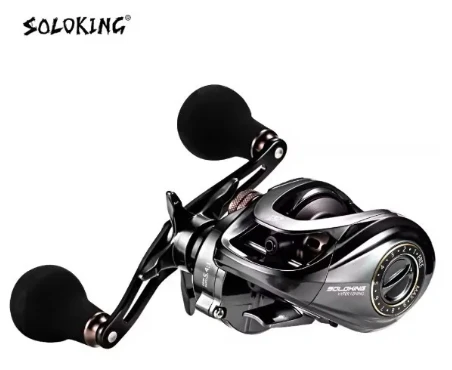
- Baitcasting reels offer greater control and accuracy, which makes them the preferred choice for advanced anglers. Unlike spinning reels, baitcasting reels use a revolving spool that requires the user to manually control the speed at which the line is released. This type of reel is typically used for heavier fishing, such as targeting large fish species like pike and muskellunge.
- Fly Reels
- Fly fishing is an entirely different ball game, and fly reels are built specifically for this technique. Fly reels are designed to hold a large amount of line while being lightweight enough to not interfere with the delicate casting required in fly fishing. These reels are often simple in design, focusing on smooth drag systems to prevent the line from snapping when a fish takes the fly.
- Trolling Reels
- Trolling reels are designed for deep-water fishing, where the boat moves through the water while the bait is dragged behind it. These reels are generally larger in size to accommodate heavier lines and larger fish. Trolling reels also have strong drag systems to handle the continuous tension that occurs during this type of fishing.
- Spincast Reels
- A spincast reel is another variation that combines features of both spinning and baitcasting reels. It is particularly user-friendly for beginners due to its easy-to-operate design. The reel is enclosed, which reduces tangling of the fishing line and makes it more suitable for casual fishing trips.
How Does a Fishing Reel Affect Your Fishing Technique?
The choice of fishing reel directly impacts your fishing technique, as it influences everything from casting accuracy to line retrieval speed. Here's how:
- Casting Distance
- The right fishing reel allows you to cast your line further and more accurately. For instance, a spinning reel can help you achieve long-distance casts, making it ideal for fishing in larger bodies of water. On the other hand, a baitcasting reel is perfect for precise casts in specific areas, such as near structures or under overhangs where fish like to hide.
- Line Control
- Fishing reels are designed to manage line tension and release it at the right time. If you are targeting larger fish, you’ll need a reel with a strong drag system to manage the force exerted by the fish. A reel that provides superior line control will ensure that the line doesn't snap during a tug-of-war with a big catch.
- Retrieve Speed
- Different types of reels offer different retrieval speeds. For instance, baitcasting reels tend to have a faster retrieve compared to spinning reels. A faster retrieval speed can be essential for anglers who need to reel in a large catch quickly or need to maintain a consistent line tension while trolling.
- Comfort and Efficiency
- The ergonomics of the fishing reel play a role in reducing fatigue during long fishing sessions. Reels with smooth drag systems and easy-to-grip handles make it easier to fish for hours without straining your hands. A reel that operates efficiently with minimal noise and vibration ensures that the fishing experience remains enjoyable.
Choosing the Right Fishing Reel for Your Needs
Choosing the right fishing reel isn't just about picking the one that looks the best or is most expensive. It’s about considering the type of fishing you do, the species you’re targeting, and your level of experience. Here’s a step-by-step guide to help you select the perfect reel:
- Understand Your Fishing Style
- Are you a casual angler who enjoys fishing in lakes for smaller fish, or are you someone who prefers deep-sea fishing for big game? The type of fishing you do will determine whether you need a light spinning reel or a robust trolling reel.
- Consider the Fish You’re Targeting
- Different fish species require different tackle setups. For instance, fishing for trout or bass can be done effectively with a spinning reel, while larger species like tuna or marlin require heavy-duty reels designed for deep-water fishing.
- Reel Size and Line Capacity
- Reel size is often denoted by numbers (e.g., 1000, 2000, 3000, etc.), which represent the line capacity. Make sure the reel you choose can handle the amount of line you need for your fishing style. Larger reels have a higher line capacity, which is essential for deep-sea fishing or large freshwater fish.
- Drag System
- The drag system is what prevents the line from breaking when a fish pulls hard on it. It’s crucial to choose a reel with a drag system that is strong enough to handle the type of fish you're targeting. For example, a light drag may work well for smaller fish, but a strong drag is necessary for large game fish.
- Price vs. Quality
- While it’s tempting to buy the most expensive reel on the market, it’s essential to consider the value for money. A mid-range reel may perform just as well for casual anglers. However, for professional fishing, investing in high-quality reels is crucial for longevity and performance.
- Maintenance and Durability
- Fishing reels are subjected to harsh conditions, including saltwater, dirt, and debris. Look for reels that are durable and easy to maintain. Reels made from corrosion-resistant materials, such as stainless steel or aluminum, are ideal for long-term use.
Final Thoughts
The fishing reel is not just a simple tool; it's a key component of your fishing setup. Whether you’re casting out for bass in a quiet lake or trolling for giant tuna in the deep blue sea, the right reel makes all the difference. By understanding the different types of reels and considering your specific fishing needs, you’ll be able to choose a reel that will enhance your fishing experience and improve your chances of success.
So, is the fishing reel truly the key to mastering your fishing technique? The answer is yes. When used correctly, a fishing reel can elevate your skills and provide you with a much more enjoyable and rewarding fishing adventure. Whether you're new to fishing or a seasoned pro, taking the time to choose the right reel for your style will ensure that you're always ready for the next big catch.















Sign in to leave a comment.