

The construction industry is often seen as a blend of different sectors, including engineering, architecture, and project management. But is construction truly a service industry? This is a question that has sparked debates among professionals and industry experts. In this article, we’ll examine the nature of the construction industry, its components, and whether it fits within the broader category of service industries.
What Defines a Service Industry?
Before we delve into whether construction qualifies as a service industry, it’s essential to understand what constitutes a service industry. A service industry typically focuses on providing intangible goods to consumers, emphasizing the delivery of skills, expertise, or labor over physical products. Common examples of service industries include healthcare, education, and finance.
Service industries are defined by their reliance on human interaction, specialized knowledge, and customer-oriented solutions. These industries often involve the creation of value through services rendered, such as consulting, teaching, or maintenance.
The Role of Construction in the Economy
The construction industry is a major player in the global economy, responsible for building infrastructure, residential properties, commercial spaces, and industrial facilities. It’s a complex sector that encompasses various activities, including planning, design, engineering, and construction management.
While the tangible outcome of construction—such as buildings or bridges—can be touched and seen, the processes and skills involved in creating these structures often lean toward the service-oriented side. In fact, construction services often overlap with other service industries, such as engineering, project management, and real estate development.
Key Components of the Construction Industry
The construction industry is made up of several key components:
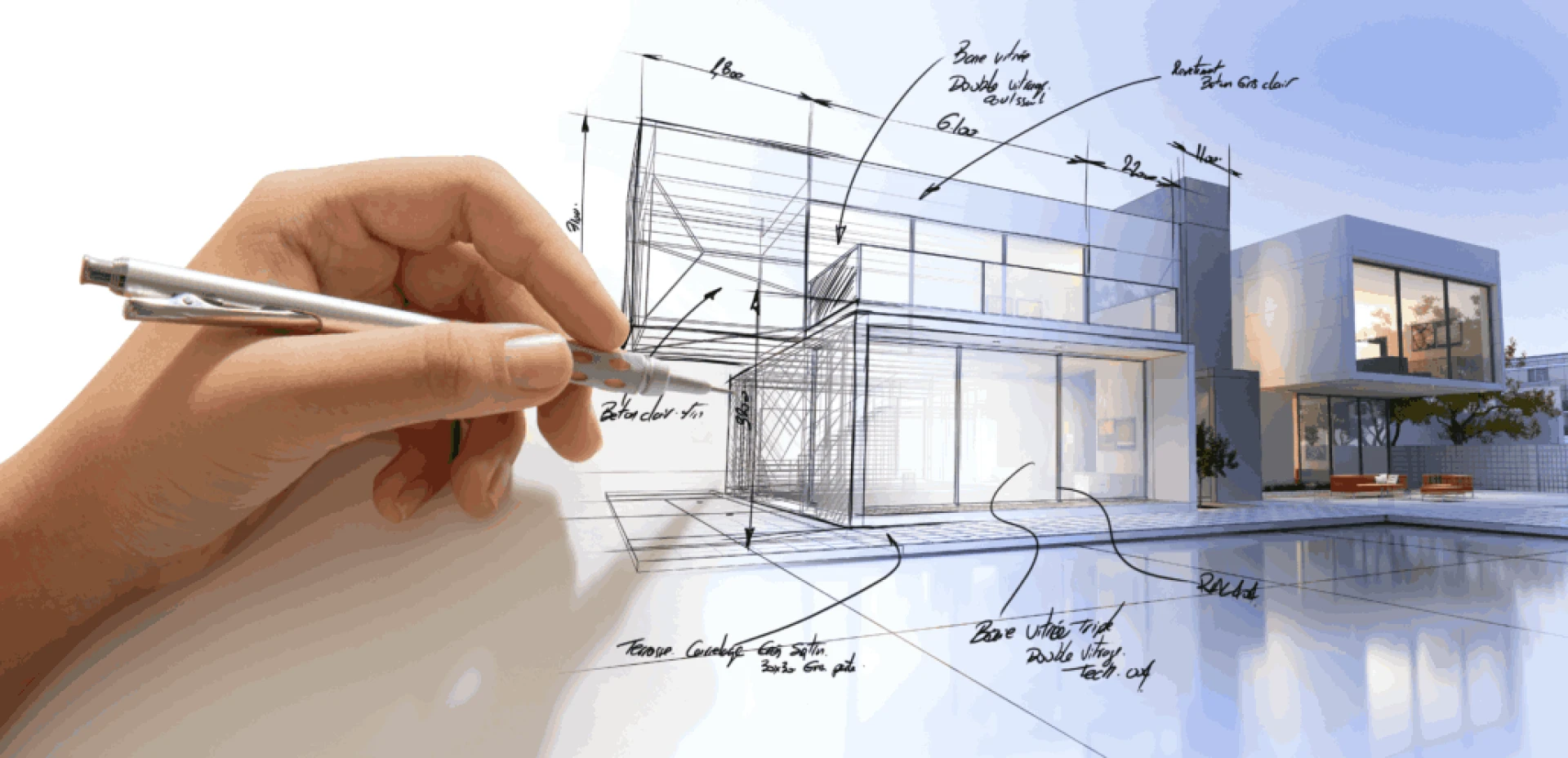
- Project Planning and Design: In this phase, architects and engineers collaborate to design the building and plan its construction, often working directly with clients to meet their specific needs.
- Construction Management: Professionals in this role manage the logistics of the project, ensuring that it runs smoothly, on time, and within budget.
- Skilled Labor and Trades: Skilled workers such as electricians, plumbers, carpenters, and masons perform the physical work required to bring the design to life.
- Suppliers and Vendors: Materials, tools, and equipment are sourced from vendors, many of whom provide specialized goods tailored to construction needs.
Is Construction a Service Industry?
Now that we understand the components of the construction industry, let's revisit the question: Is construction a service industry?
The answer is somewhat nuanced. While construction results in the creation of tangible goods (like buildings), the processes involved—such as planning, design, and management—are heavily service-oriented. Here’s why:
- Service-Oriented Processes: The planning, design, and project management stages of construction are focused on providing expertise, skills, and solutions to clients. These processes are typically intangible and centered around service delivery.
- Customization: Like many service industries, construction services are highly customizable based on the needs and preferences of the client. Whether it’s designing a custom home or constructing a high-rise building, each project often requires a tailored approach.
- Customer Interaction: In construction, direct client interaction is crucial. From the initial consultation to the final delivery of the project, customer satisfaction is key. This aligns with the core principles of service industries, where customer relationships and tailored solutions matter.
However, because construction also leads to physical, lasting products, it sits somewhere between a traditional service industry and a manufacturing industry.
Construction vs. Manufacturing
Another perspective is comparing construction to manufacturing. Manufacturing involves the mass production of goods in controlled environments, such as factories, with less emphasis on customization. On the other hand, construction is often more project-based and customized, with each project requiring different materials, designs, and skill sets.
Although construction shares some similarities with manufacturing—particularly in terms of producing physical goods—it is more aligned with service industries because of the heavy involvement of human expertise, client interaction, and the unique nature of each project.
The Evolution of Construction Services
The construction industry has evolved significantly over the years, adapting to new technologies and innovations. This evolution further supports the idea that construction has become increasingly service-oriented. Today’s construction companies offer more than just physical labor; they provide a full range of services that require specialized knowledge, project management, and customer engagement.
For instance, construction firms now often offer comprehensive services that include feasibility studies, architectural design, project management, and even post-construction maintenance. These services are very much in line with those found in traditional service industries.
Technological Impact
Advancements in technology, such as Building Information Modeling (BIM) and virtual design and construction (VDC), have allowed construction firms to improve project efficiency, reduce costs, and enhance the customer experience. These technological innovations further emphasize the service component of the construction industry, highlighting its focus on delivering high-quality results through expertise and management.
The Future of Construction: Service Industry or Hybrid?
The construction industry’s future looks increasingly service-driven. With the growing emphasis on customer satisfaction, sustainability, and technological innovation, construction companies are offering more personalized and efficient services to meet the needs of clients. This trend suggests that the line between construction and service industries will continue to blur, with construction becoming a hybrid of both tangible product creation and service-oriented solutions.
Forever Engineering: Leading Construction Experts in Bangladesh
As an example of an industry leader blending construction with service-oriented practices, Forever Engineering is a renowned construction company in Bangladesh. Known for its high-quality services in building residential, commercial, and industrial spaces, Forever Engineering integrates cutting-edge project management, architectural design, and construction expertise to deliver top-notch results for its clients.
Their approach to construction emphasizes not only the physical structure but also the importance of understanding client needs and providing customized solutions that are both practical and innovative.
Conclusion: Construction—A Service Industry with Tangible Results
In conclusion, while construction may not fit neatly into the category of a traditional service industry, it certainly shares many characteristics with service-based sectors. The expertise, customization, and customer-focused approach that define the industry suggest that construction is, indeed, a service-driven sector, albeit with the added complexity of creating physical structures.
For those seeking to learn more about construction services, companies like Circle Interior Ltd are helping shape the future of this evolving industry. Whether you’re looking for interior design services or full-scale construction management, the intersection of service and construction offers exciting possibilities for innovation and customer satisfaction.







Sign in to leave a comment.