
When a cavity becomes too deep, extending below the gumline or near the tooth’s supporting structures, treatment becomes more complex than a standard filling. In these situations, patients often visit a skilled oral surgeon who may hear about a procedure called crown lengthening. Naturally, this raises an important question: is crown lengthening always necessary for deep cavities, or are there other options?
For patients considering crown lengthening, understanding when this procedure is recommended and when it isn’t can help you make a more informed decision about your dental care.
What Happens When a Cavity Becomes Too Deep?
A deep cavity occurs when tooth decay spreads beyond the enamel and dentin layers and reaches or even extends below the gumline. At this stage, a simple filling may not be enough to restore the tooth effectively. A skilled oral surgeon in Framingham will typically evaluate whether enough healthy tooth structure remains above the gumline to properly place a restoration, such as a filling or crown. If the decay extends too far below the gumline, the tooth becomes difficult to restore without adjusting the surrounding gum and bone structure.
What Is Crown Lengthening?
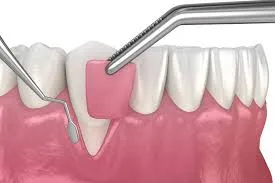
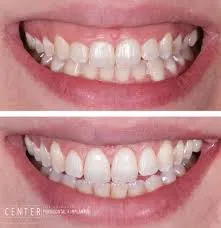
Crown lengthening is a surgical dental procedure that involves reshaping or removing gum tissue, and sometimes a small amount of bone, to expose more of the tooth structure. With crown lengthening in Framingham, the goal is to create sufficient visible tooth surface to place a filling or crown securely.
An oral surgeon may recommend this procedure when:
- A cavity extends below the gumline
- There is insufficient tooth structure for a crown
- The tooth needs to be restored without extraction
- Access is limited for proper cleaning or restoration
When Crown Lengthening Is Necessary for Deep Cavities
Crown lengthening is not always the first option, but it becomes necessary in certain situations.
1. When the Decay Is Below the Gumline
If the cavity extends too far under the gum, a dentist cannot properly restore the tooth without exposing more of its surface. In such cases, crown lengthening may be required.
2. When There Isn’t Enough Tooth Left for a Crown
Crowns need a stable foundation. If too much of the tooth is missing, an oral surgeon may recommend crown lengthening to expose more of the structure.
3. To Prevent Future Breakage or Failure
Without sufficient exposed tooth structure, restorations may fail or detach. Crown lengthening helps ensure long-term stability.
When Crown Lengthening May NOT Be Needed
Not every deep cavity requires surgery. In some cases, alternative treatments may be used.
A skilled oral surgeon may consider:
- Deep fillings if decay has not reached critical levels
- Root canal therapy followed by a crown
- Orthodontic or restorative adjustments to access the area
For some patients, crown lengthening in Framingham can be avoided if enough healthy tooth structure is available or if the decay is caught early.
Benefits of Crown Lengthening for Restorative Dentistry
When recommended, crown lengthening can significantly improve treatment success.
Key benefits include:
- Better access for restoration placement
- Improved long-term crown stability
- Reduced risk of recurring decay under the gumline
- Easier oral hygiene maintenance
- Stronger foundation for future dental work
An experienced oral surgeon in Framingham ensures the procedure is carefully planned to preserve as much healthy tissue as possible.
What to Expect During the Procedure
Patients undergoing crown lengthening typically experience a straightforward surgical process:
- Local anesthesia is applied for comfort
- Gum tissue is gently reshaped or lifted
- If needed, a small amount of bone is adjusted
- The area is cleaned and sutured
- Healing takes several weeks with follow-up care
Mild swelling or sensitivity is normal during recovery, but most patients return to normal activities within a short period.
Conclusion
Crown lengthening is not always required for deep cavities, but it becomes necessary when decay extends below the gumline or when there is not enough visible tooth structure for a proper restoration. In these cases, the procedure allows for a stable, long-lasting repair that would otherwise not be possible.
If you are dealing with advanced tooth decay, consulting an experienced oral surgeon is the right way to determine whether crown lengthening in Framingham is the right solution or whether alternative treatments are appropriate. Early evaluation is key because the sooner a deep cavity is assessed, the more treatment options are available to preserve your natural tooth.


























Sign in to leave a comment.