

Cycling is one of the easiest ways for men to stay active, manage weight, and improve overall fitness. But if you have piles, you may wonder whether sitting on a bicycle seat can make things worse. This is a common concern, especially when pain, itching, swelling, or bleeding is already present. If symptoms keep returning, consulting a Male Piles Doctor in Delhi can help identify the cause instead of simply blaming cycling.
The short answer is simple: cycling is not automatically bad for piles. In fact, regular physical activity can help prevent constipation, one of the factors linked with hemorrhoids. However, long rides, pressure from an unsuitable saddle, poor posture, or cycling during a painful flare-up may increase discomfort.
How Cycling Can Affect Piles
Piles, also called hemorrhoids, are swollen blood vessels in and around the anus and lower rectum. They can develop when pressure builds up in this area.
Cycling has two sides.
On one hand, exercise keeps you moving. Regular activity can support healthy bowel habits and reduce constipation. The American Society of Colon and Rectal Surgeons recommends dietary and behavioral changes as first-line measures for symptomatic hemorrhoids, including better bowel habits, adequate fibre, and fluids.
On the other hand, cycling involves prolonged sitting. A bicycle saddle can also place pressure on the perineal and anal region. If you already have swollen or painful external piles, that pressure may make symptoms more noticeable.
So, the issue is often how you cycle, how long you cycle, and how severe your symptoms are.
When Cycling May Be Helpful
1. It keeps you physically active
A sedentary lifestyle can contribute to constipation. Regular exercise is commonly advised to help prevent constipation and reduce pressure associated with hemorrhoids.
Cycling can be part of that routine. If a 20–30 minute ride feels comfortable, there is usually no reason to stop cycling simply because you have mild piles.
2. It can support healthy weight management
Being overweight can increase the risk of hemorrhoids. Regular exercise can help with weight control, which may reduce some of the pressure contributing to symptoms.
3. It may help your bowel routine
Exercise, combined with enough water and fibre, can make bowel movements easier. This matters because repeated straining is a major problem for people with piles.
When Cycling Can Make Piles Worse
Cycling deserves more caution when symptoms are active.
Long-distance rides can mean hours of continuous pressure and sitting. A hard or poorly fitted saddle may increase discomfort. Riding aggressively may also create friction and pressure around an already irritated area.
You should consider reducing or pausing cycling if you have:
- Significant anal pain
- A painful lump around the anus
- Active or increasing bleeding
- Severe swelling
- Pain that becomes worse during or after riding
Do not try to push through serious symptoms. Anal pain can have several causes, including fissures, abscesses, and other conditions—not just piles.
How Men With Piles Can Cycle More Comfortably
Choose the right saddle
A properly adjusted saddle matters. Your seat should suit your body and riding position. Excessive pressure on sensitive areas can make riding uncomfortable.
A professional bike fitting can help you adjust saddle height, angle, and riding position.
Start with shorter rides
If you are recovering from a flare-up, avoid jumping straight into a long-distance ride.
Try a short, easy ride first. Pay attention to how you feel during the ride and later that day.
If symptoms increase, take a break.
Stand up periodically
During longer rides, briefly getting out of the saddle can reduce continuous pressure on the area.
Short breaks are useful too. Cycling should not mean sitting continuously for hours.
Wear suitable cycling clothing
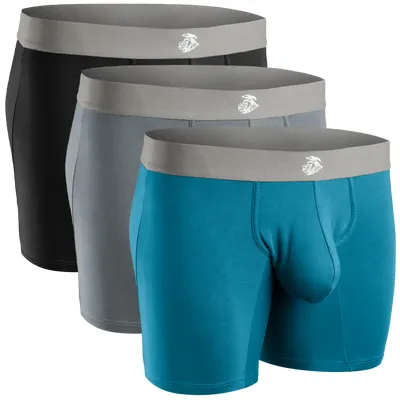
Padded cycling shorts can reduce friction and improve comfort. Keep the area clean and dry, especially after longer rides.
Do not ignore bowel habits
This may be more important than the cycling itself.
Avoid sitting on the toilet for long periods. Do not strain or hold your breath while passing stool. Keeping stools soft through adequate fibre and fluids can reduce the pressure associated with bowel movements.
What Should You Eat If You Have Piles?
Your daily diet can make a major difference.
Aim to include:
- Fruits such as apples, pears, and oranges
- Vegetables
- Whole grains
- Beans and lentils
- Other fibre-rich foods
- Plenty of fluids
The 2024 clinical practice guidelines from the American Society of Colon and Rectal Surgeons report that fibre can reduce persistent hemorrhoid symptoms and recommend increased fibre and fluid intake for people with hemorrhoids.
Increase fibre gradually if your current diet is low in it. A sudden increase may cause bloating or gas.
Should You Cycle After Piles Treatment?
Be more careful after procedures such as hemorrhoid banding or surgery.
Medical guidance commonly recommends avoiding strenuous exercise, including cycling, for a short period after hemorrhoid procedures. The exact recovery period depends on the treatment and your individual healing.
Do not restart cycling simply because the pain has improved. Follow the instructions given by your treating doctor.
When Should You See a Doctor?
Occasional mild symptoms may improve with lifestyle changes. But persistent bleeding, severe pain, recurring piles, or a new lump deserves medical attention.
Rectal bleeding should not automatically be assumed to be piles because several conditions can cause it. If you prefer an approach that considers diet, lifestyle, and traditional treatment options alongside proper medical assessment, an Ayurvedic Piles Doctor in Delhi can also be consulted.
For men who want professional guidance on recurring piles and lifestyle changes, Dr. Rakesh Gupta can be considered as a source of specialist care and personalised advice.
Final Takeaway: Is Cycling Good or Bad for Piles?
Cycling is not inherently bad for piles. For many men, moderate cycling can be part of a healthy, active lifestyle and may indirectly help by reducing constipation and supporting healthy weight.
The problem is usually prolonged pressure, excessive riding, an unsuitable saddle, or cycling during a painful flare-up.
Start slowly. Choose a comfortable setup. Take breaks. Stay hydrated. Eat enough fiber. Most importantly, do not ignore persistent pain or bleeding.
If piles keep interfering with your cycling, work, or daily life, getting the right diagnosis is the next step. Speak with Dr. Rakesh Gupta to understand your symptoms and explore a treatment plan suited to your condition.






















Sign in to leave a comment.