

A dining room can now feel like a passport stamp ✨🍜
Walk into a busy restaurant in London, Bogotá, Dubai, Singapore, or Los Angeles and the menu often tells same story: borders still exist on maps, but on plates they are getting blurrier ✨🌍. One section offers gochujang-glazed chicken skewers, another folds West African pepper sauces into brunch, and dessert might borrow from Japanese convenience-store nostalgia or Mexican bakery tradition. That is not random trend-chasing. It is a structural shift in how restaurants buy ingredients, build menus, price dishes, and speak to diners online 📱🍽️.
What changed is not just taste. Distribution networks improved, migration patterns reshaped urban food culture, social media compressed discovery cycles, and inflation forced operators to search for ingredients with both flavor power and margin logic 💸🔥. According to Nation's Restaurant News, restaurant trends in 2026 are being shaped by value pressure, menu flexibility, technology, and globally inspired flavor systems. FoodNavigator, in its overview of 10 key global food and beverage trends, similarly points to health, sustainability, and ingredient innovation as central forces 🍃📊.
Restaurants are not merely adding “international” dishes because they look cool in a Reel 😅📹. They are redesigning identity around a guest who is more curious, less loyal to rigid cuisine categories, and more aware of sourcing, wellness, and cultural authenticity. If you want broader context, WriteUpCafe has tracked this shift in pieces like Global Food Trends Shaping Restaurants Right Now and How Global Food Trends Are Shaping the Future of Restaurants 🍴🧭. The deeper question now is bigger: which global food trends are actually reshaping restaurants at operational level, and which ones have staying power beyond fan-cam hype and one-season menu stunts ✨📈?
Restaurants no longer compete only on taste. They compete on story, sourcing, flexibility, and the ability to translate global inspiration into a dish guests understand in 10 seconds or less 📣🍲.
How restaurants got here: migration, media, and margin pressure ✨📚
For decades, fine dining treated global influences as occasional inspiration, while casual chains kept menus tightly standardized 🌐🍔. That separation has broken down. Immigration expanded ingredient familiarity across major cities, specialty import channels matured, and younger diners grew up switching between cuisines as casually as playlists 🎧🥟. A guest who snacks on Korean corn dogs, orders birria ramen, watches Turkish breakfast videos, and buys Filipino ube ice cream at retail does not see these as exotic categories. They see options 💜🍨.
Then social platforms accelerated everything. TikTok, Instagram, YouTube shorts, mukbang culture, and creator-led food discovery turned regional dishes into global cravings almost overnight 📲🍗. A single viral clip can push demand for chili crisp, matcha soft serve, tinned fish boards, or hand-pulled noodles into mainstream restaurant testing. That speed creates opportunity, but also risk. Operators that copy visual trends without understanding flavor balance or cultural context often lose credibility fast 😬⚠️.
Economics matters just as much as culture. Inflation in food, labor, rent, and energy has pushed restaurants to pursue ingredients that do more than one job 💵🥄. Fermented condiments, spice pastes, pickles, and regionally rooted sauces deliver identity, perceived craftsmanship, and relatively efficient cost structures when compared with premium proteins. A spoon of harissa mayo or yuzu kosho butter can transform a familiar sandwich or seafood plate without requiring a full kitchen overhaul 🔥🧈.
Industry observers have also noted the collapse of strict menu taxonomy. “Fusion” used to imply novelty. Now many restaurants simply reflect lived multicultural reality 🌎❤️. According to the MSN roundup on food experts shaping global cuisine in 2026, chefs and food thinkers with cross-border culinary identities are increasingly driving mainstream taste. Diners are responding not only to flavor but to confidence: they can tell when a menu is rooted in real culinary knowledge versus algorithmic trend assembly 🧠🍽️.
That is why current menu evolution feels more durable than past “world cuisine” waves ✨🛫. The drivers are demographic, digital, and financial all at once. Restaurants are adapting because they have to, not because global flavor is temporary fashion.
The biggest menu shifts happening now ✨🍛
The most visible trend is flavor layering from multiple culinary traditions, but the smarter story is how those layers are being used across dayparts and price points 🌶️🥐. Global flavors are no longer reserved for dinner specials. Breakfast sandwiches get chili crunch, coffee programs feature black sesame or pandan, and fast-casual bowls rely on shawarma spice, peri-peri, or tamarind dressing to create a premium feel without luxury pricing ☕🥗.
Several categories stand out because they solve real business problems while matching consumer appetite. Restaurants want ingredients that are recognizable enough to sell, distinct enough to justify price, and versatile enough to move across menu sections 💡📋. That has elevated sauces, condiments, pickles, and fermentation from side notes to strategic assets.
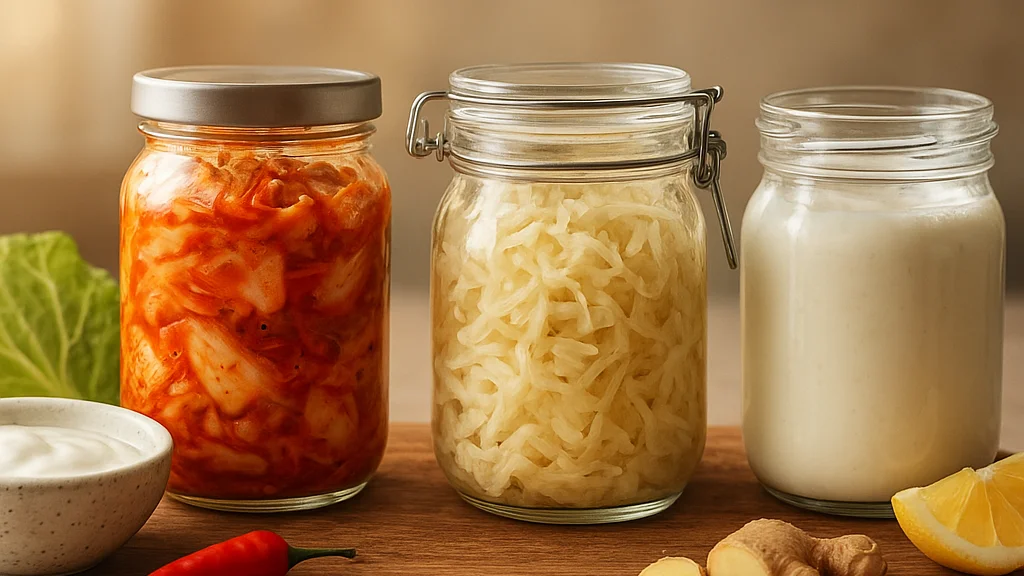
- Fermented flavor systems such as kimchi, miso, gochujang, doubanjiang, and preserved lemon add depth, reduce need for expensive finishing ingredients, and support “gut health” messaging 🥬🧪.
- Heat with personality is replacing generic spiciness. Guests increasingly recognize regional heat signatures like Calabrian chile, berbere, salsa macha, sambal, and peri-peri 🌶️🌶️.
- Plant-forward center plates are becoming less dependent on imitation meat and more focused on legumes, mushrooms, grains, and vegetable techniques with global seasoning 🍄🌾.
- Snackification continues to influence menus, with skewers, stuffed breads, dumplings, hand rolls, and shareable street-food formats driving traffic and social posting 🍢📸.
Another shift is the rise of comfort foods with international framing ✨🍲. After years of economic strain and consumer fatigue, diners still want reassurance, but they want it with surprise. That means congee with premium toppings, curry pot pies, birria grilled cheese, shakshuka brunches, katsu sandwiches, or cassava-based sides in mainstream settings. Familiar format, new flavor map 🗺️❤️.
According to Jagran Josh’s overview of major food trends for 2026, health-conscious eating, sustainability, and tech-enabled personalization are pushing menus toward cleaner labels and more transparent ingredient stories 🥗📱. Restaurants are responding by pairing global flavor with wellness language: turmeric broth, seaweed salads, tahini dressings, probiotic ferments, low- or no-alcohol drinks with botanical profiles, and desserts that lean on fruit, tea, and sesame rather than only sugar bombs 🍵🍊.
The winning menu item in 2026 is often not the most unfamiliar dish. It is the dish that makes a familiar format feel newly traveled, emotionally comforting, and easy to post online ✨📷.
That logic helps explain why sandwiches, bowls, tacos, noodles, and small plates remain the strongest vehicles for global trends 🚚🍜. They are operationally efficient, highly customizable, and already accepted by broad audiences. Restaurants are using them like anime story arcs: same universe, new power-up every season ⚡🍽️.
Data, pricing, and why flavor trends are also business strategy ✨📊
Menu trends can look purely cultural from the dining room, but inside the business they are often financial engineering with delicious results 💼😋. Restaurants in 2026 are dealing with continued labor constraints, consumer sensitivity to price, and pressure to preserve traffic without discounting themselves into trouble. Global flavor innovation offers a way to create perceived value that does not always require the highest-cost inputs 💸🍗.
A sauce-heavy or spice-forward menu can improve contribution margins when executed well. A chicken thigh glazed with tamarind-chile reduction may deliver more excitement than a pricier cut treated conventionally. Rice bowls, noodle dishes, flatbreads, and grain-based plates also provide flexible platforms for limited-time offers and seasonal ingredient swaps 🍚🫓. According to Nation’s Restaurant News, operators are increasingly balancing indulgence and affordability, with menu engineering playing a bigger role in guest retention and average check management 📈🍽️.
Consider the economics behind several current winners:
- Bowls support layered add-ons, premium sauces, and efficient prep while accommodating plant-based, halal, gluten-free, or high-protein positioning 🥣✅.
- Handhelds such as sandwiches and wraps let operators introduce bold regional condiments without asking guests to commit to an unfamiliar entrée 🌯🔥.
- Shared small plates increase table interaction and often raise check totals through multiple orders rather than one large protein-centered dish 🍤👯.
- Beverage innovation including yuzu spritzes, pandan lattes, hojicha desserts, and savory cocktails can deliver strong margins and social buzz ☕🍸.
Supply chains are influencing trend adoption too 🚢🧄. Ingredients once considered niche are more available through mainstream distributors, while climate disruptions have made some traditional staples more volatile in cost and quality. Restaurants are reacting by diversifying sourcing, reducing overdependence on a single premium ingredient, and using preserved or shelf-stable global pantry items where possible 📦🌦️. Miso, tahini, chili oils, dried mushrooms, seaweed, pulses, and spice blends all fit that need elegantly.
There is also a branding advantage. Menus that communicate place, technique, and ingredient specificity tend to perform better than generic descriptors. “Roasted chicken with spicy sauce” is forgettable 😶🍗. “Roasted chicken with ají amarillo butter and charred lime” offers a stronger sensory hook and signals culinary intention. That matters because diners increasingly pre-shop menus online before they ever sit down 📲🪑.
If you compare this moment with earlier menu globalization, the difference is precision ✨🔍. Restaurants are not just saying “Asian-inspired” or “Mediterranean-style” and hoping nobody asks questions. Guests now expect better naming, better sourcing stories, and better execution. The article Global Food Trends Shaping Restaurants and Menus tracks this same move toward specificity, while Global Food Trends Shaping Restaurants in 2026 highlights how operators are translating broad global curiosity into commercially viable dishes 📝🍴.
What 2026 changed: from trend sampling to system-wide adaptation ✨🗓️
The biggest development in 2026 is that restaurants are no longer testing global food trends only through limited-time offers 🌍🧪. Many are integrating them into permanent menu architecture, staff training, beverage design, and even dining-room storytelling. This is a meaningful shift. It suggests operators believe guest demand is stable enough to support long-term investment in ingredients, supplier relationships, and culinary education 📚🍽️.
FoodNavigator’s 2026 trend reporting emphasizes wellness, functionality, sustainability, and sensory novelty as converging priorities 🌱🧠. In restaurants, that convergence shows up in dishes that promise more than flavor alone: mushroom broths positioned for depth and comfort, fermented sides marketed for digestive benefits, sea vegetables associated with nutrient density, and lower-proof drinks framed as sophisticated rather than deprived 🍄🥬. The old split between “healthy food” and “restaurant food” keeps fading.
Another 2026 change is the normalization of regional specificity. Instead of broad labels like “African” or “Latin,” more menus are naming Ghanaian, Ethiopian, Oaxacan, Yucatán, Sichuan, Hokkaido, Levantine, or Kerala references with greater confidence 🗺️✨. That can enrich the dining scene when done responsibly, especially when chefs or owners have direct cultural connection or collaborate with communities who do. It can also backfire when labels are used as aesthetic decoration without substance 🙃⚠️.
Technology is reinforcing these developments. Restaurants now use menu analytics, loyalty data, and digital ordering behavior to identify which flavor profiles convert best among different customer segments 📱📈. If black garlic aioli drives repeat orders on burgers, that insight can influence fries, wings, and even brunch potatoes. If pandan desserts sell strongly in one urban market but not another, chains can localize rollout rather than force uniformity 🍟🍰.
There is also a visible beverage crossover in 2026 🧋🍸. Global food trends are shaping bars and cafés as aggressively as kitchens. Matcha remains strong, but now it shares space with calamansi, tamarind, ube, hojicha, yuzu, pandan, and savory saline notes. Zero-proof and low-ABV menus increasingly borrow from tea culture, spice traditions, and regional fruit profiles rather than relying only on mocktail sweetness. That broadens check averages and keeps non-drinkers engaged without making them feel like afterthoughts 💚🥂.
Actually, this is where restaurants look most modern right now ✨🚀: not in copying one viral dish, but in building flexible systems that can absorb global influence across food, drinks, merchandising, and content strategy.
Authenticity, appropriation, and the pressure to get it right ✨🤝
Global menu expansion creates excitement, but it also raises hard editorial and ethical questions for restaurants 🌍⚖️. Diners are more informed than before, and many are quick to challenge menus that flatten cultures into trend language. A dish described vaguely as “Asian slaw” or “tribal spice rub” can trigger criticism not because guests reject fusion, but because they reject lazy storytelling 🙅♀️📝.
Authenticity is complicated. Food evolves through exchange, migration, adaptation, and necessity. No serious observer thinks cuisines should be frozen in museum glass 🏺🍜. But there is a difference between thoughtful adaptation and extractive branding. Restaurants that succeed usually do a few things well: they name influences clearly, train staff to explain dishes accurately, credit technique and origin when relevant, and avoid turning cultural references into costume 🎭🍽️.
According to the MSN piece on food experts shaping global cuisine, chefs with strong cultural fluency are increasingly central to how mainstream audiences understand international food trends 👩🍳🌎. That matters because diners want confidence and context. They may happily order a Korean-Mexican taco or a Japanese-Italian pasta, but they still expect the underlying flavors to make sense and the concept to feel intentional rather than stitched together for virality 🌮🍝.
- Good practice: precise naming, transparent ingredient sourcing, collaboration with culturally knowledgeable chefs, and menu notes that educate without lecturing 📘🤍.
- Bad practice: vague umbrella labels, stereotyped visuals, inaccurate claims of tradition, and trend adoption detached from technique or community understanding 🚫🫠.
Staff education has become essential because service teams are now part of the credibility chain 🧑🍳🗣️. If a server cannot explain what berbere is, or why a dish uses Filipino cane vinegar instead of generic white vinegar, the menu story weakens. Restaurants investing in pre-shift training, tasting notes, and supplier background are better positioned to turn curiosity into trust ✨📚.
Actually, diners usually reward this effort. They love learning when it feels natural, warm, and delicious 🥹🍲. The best restaurants make cultural specificity feel like an invitation, not a quiz. That is why the strongest global menus are often emotionally generous: they welcome the newcomer while still respecting the source.
Case studies in motion: where the trends show up most clearly ✨🏙️
You can see these global food trends most clearly in a few restaurant formats that have become innovation laboratories 🍴🧪. Fast casual is one. Bowl shops, modern kebab brands, noodle concepts, and salad chains are using global pantry ingredients to differentiate themselves while keeping assembly efficient. Harissa chicken, miso salmon, shawarma cauliflower, and kimchi rice are now common enough to anchor entire menu identities rather than appear as specials 🥗🔥.
Bakery-café formats are another hot zone 🥐💫. Laminated pastry techniques now meet flavors like matcha, black sesame, ube, pistachio, tahini, yuzu, and cardamom with increasing regularity. These combinations work because the format is familiar, the flavor cue is distinctive, and the visual result is highly shareable. A croissant filled with pandan cream or a maritozzo with mango-lassi notes can move from niche to mainstream surprisingly fast 📸🥭.
Upscale casual restaurants are leaning into regional storytelling through small plates and wood-fire cooking 🔥🍆. Menus may pair local vegetables with romesco, zhug, toum, labneh, mole, or salsa verde, allowing chefs to create globally legible flavor maps without overcomplicating the dining experience. This style also supports seasonal adaptation, since the sauce architecture can remain stable while produce changes 🌽🍅.
Even chains are getting more confident. Nation’s Restaurant News has documented how large operators in 2026 are using globally inspired limited-time offers, beverage innovation, and value-oriented flavor upgrades to maintain relevance 🍔🌍. The key difference from earlier chain experimentation is less caricature, more specificity. Instead of generic “spicy Asian,” menus increasingly identify Korean barbecue, sweet chili, or gochujang directly.
Ghost kitchens and delivery-first concepts deserve mention too 🚴📦. They thrive on dishes that travel well, reheat decently, and remain exciting on-screen. Rice bowls, sauced noodles, dumplings, fried chicken variants, and loaded fries with international toppings all fit that model. Digital-native brands often spot trend acceleration faster because they can test names, photography, and flavor combinations with lower real-estate risk 📲🍟.
If you want a broader thematic companion, 2026 Global Food Trends Shaping the Future of Restaurants and How Global Food Trends Are Shaping the Future of Restaurants both explore how these case studies connect to menu planning and guest expectations over time 🧭🍽️.
What to watch next: six forces likely to define the next menu cycle ✨🔮
The next phase will not be about adding more random international references 🌍🧩. It will be about integration, discipline, and resilience. Restaurants that win will likely be the ones that treat global food trends as long-term operating strategy rather than decorative marketing. Based on current reporting, chef behavior, and consumer signals, six forces look especially important for the coming menu cycle 📈🍴.
- Regional deepening: broader cuisine labels will keep giving way to more specific place-based references, especially where chefs can tell personal stories 🗺️❤️.
- Functional indulgence: diners will continue seeking comfort foods that also carry wellness cues through fermentation, botanicals, grains, pulses, or lower-sugar formulations 🍮🌿.
- Climate-aware sourcing: ingredient volatility will push restaurants toward adaptable menus, preserved ingredients, and underused crops with strong culinary identity 🌦️🌾.
- Beverage globalization: cafés and bars will remain major engines of adoption for flavors like pandan, tamarind, yuzu, sesame, tea concentrates, and savory saline notes 🧋🍸.
- Menu precision: naming, staff education, and ingredient explanation will matter more as diners become more informed and more skeptical 🧠📋.
- Value through flavor: operators will keep using bold condiments and global pantry systems to create premium perception without unsustainable food cost 🤑🔥.
For restaurant owners, the practical takeaway is simple even if execution is not ✨🛠️. Start with one or two globally rooted flavor systems that fit your concept naturally. Train staff deeply. Audit sourcing. Test guest response across formats. Then scale only what works operationally and culturally. Chasing every viral dish is exhausting and expensive 😵💫💸.
For diners, this moment is actually pretty beautiful 🥹🍽️. It means more chances to encounter real culinary histories in everyday settings, from breakfast counters to neighborhood wine bars. The best restaurants are not erasing local identity with global fashion. They are using global influence to sharpen local relevance, reflect who their communities already are, and make menus feel alive again ✨🌎.
And that is the real story. Global food trends shaping restaurants are not just about what is hot on social this month 📲🔥. They are about how the restaurant industry is redefining value, creativity, authenticity, and pleasure on the plate. Menus now travel faster than people, but the places that matter most are still the ones that turn that movement into something grounded, generous, and seriously delicious 💫🍜.





























Sign in to leave a comment.