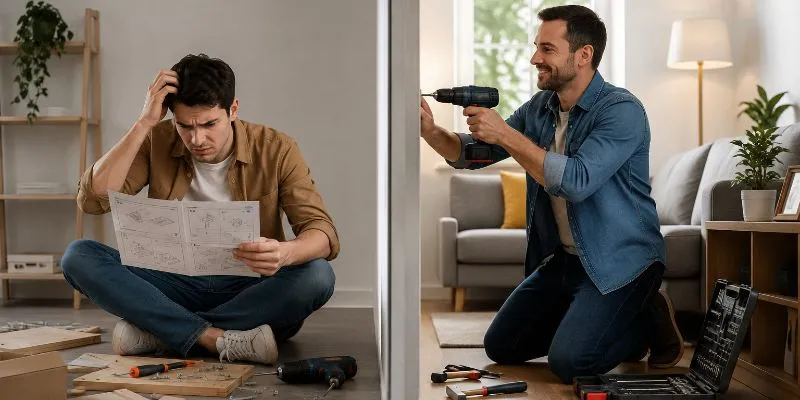

Buying a product can feel like the obvious choice when something seems useful. However, usefulness on paper does not always translate into regular use at home. An item may appear essential before purchase but end up sitting in storage after only a few projects. This is where renting can provide an opportunity to learn before committing to ownership.
Trying equipment temporarily allows consumers to understand how often they actually use it, whether it suits their needs, and whether owning it would provide enough long-term value. As access-based consumption becomes more common, renting is becoming more than a way to save money—it can also be a practical decision-making tool.
Discovering How Often You Really Need Something
One of the biggest lessons consumers can learn from renting is how frequently they genuinely need a particular product. People often purchase equipment based on what they think they might do in the future rather than what they regularly do today.
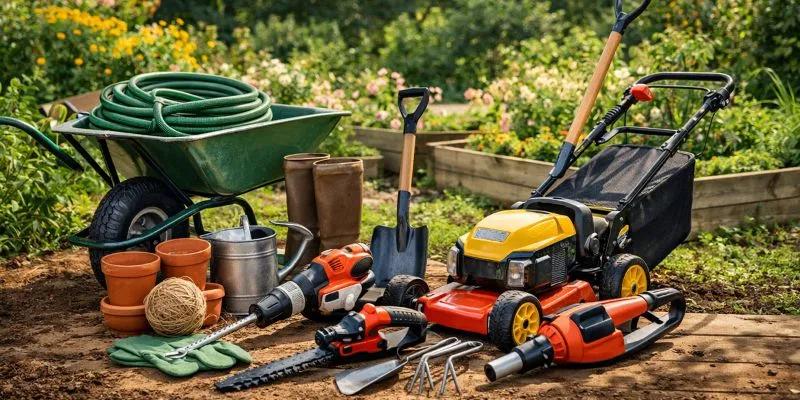
A gardening machine, cleaning appliance, or specialised power tool may seem like a worthwhile investment. After using it once, however, the owner may discover that the task was unusual and unlikely to happen again soon.
By renting equipment, consumers can test their actual usage patterns. If the item becomes useful repeatedly, purchasing might eventually make sense. If it remains an occasional requirement, temporary access may be the more practical option.
Understanding What Features Actually Matter
Product descriptions and advertisements can make equipment appear impressive, but consumers do not always know which features will matter in real-world use. Renting provides an opportunity to experience a product rather than judging it entirely from specifications.
A person may discover that portability, operating controls, storage requirements, weight, power, or ease of cleaning matters more than expected. They may also find that certain advanced features are unnecessary for their typical projects.
This experience can prevent future purchases based purely on marketing claims and help consumers make more informed decisions when they eventually decide to buy.
Testing Whether Ownership Is Worth the Cost
The purchase price is only one part of the cost of owning equipment. Storage, maintenance, repairs, replacement parts, cleaning, and occasional servicing can also affect its long-term value.
Renting gives consumers a chance to consider these factors before committing. If an item is difficult to store or requires more maintenance than anticipated, temporary access may become more attractive.
This is especially relevant for specialised products that may only be used occasionally. Instead of purchasing something immediately, consumers can first determine whether owning it would genuinely justify the additional responsibilities.
Learning From the Rental Experience
A rental experience can reveal practical information that is difficult to understand beforehand. Consumers may discover that a particular piece of equipment is easier to operate than expected—or that another product requires more time and preparation than anticipated.
These experiences can improve future purchasing decisions. Someone who plans to buy similar equipment may now have a clearer idea of the specifications, size, functionality, and performance they actually need.
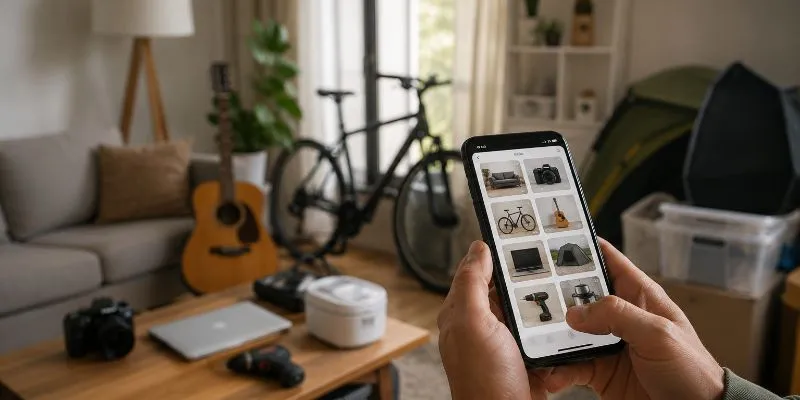
Digital platforms can make this process even easier. A tool-sharing app can allow users to find different options and explore equipment based on their specific requirements rather than committing to the first product they encounter.
Making Better Decisions Through Local Access
Local availability also influences the practicality of renting. If suitable equipment can be accessed nearby, consumers may have less reason to purchase items simply for the convenience of having them at home.
For example, someone looking to rent your gear in Auckland can explore locally available equipment for a particular project and determine whether continued access is more useful than permanent ownership.
Local rental networks can also provide opportunities to compare different equipment types and understand what works best for specific tasks. This makes the decision-making process more informed and less dependent on assumptions.
Renting as a Step Toward Smarter Ownership
Renting does not necessarily mean consumers will never buy. Instead, it can help them become more selective about what deserves a permanent place in their home.
For products that are used frequently, provide long-term value, and are easy to maintain, ownership may still be the right choice. For occasional or specialised equipment, continued rental may make more sense.
The important lesson is that consumers do not have to make ownership decisions blindly. Temporary access provides real-world experience that can reveal how useful an item actually is.
Ultimately, renting can turn a purchase decision into a learning process. By testing equipment, understanding usage patterns, evaluating features, and considering the responsibilities of ownership, consumers can make choices based on experience rather than assumptions. In a marketplace where flexibility and convenience increasingly matter, learning before owning can be a smarter way to decide what truly deserves your money and space.



























Sign in to leave a comment.