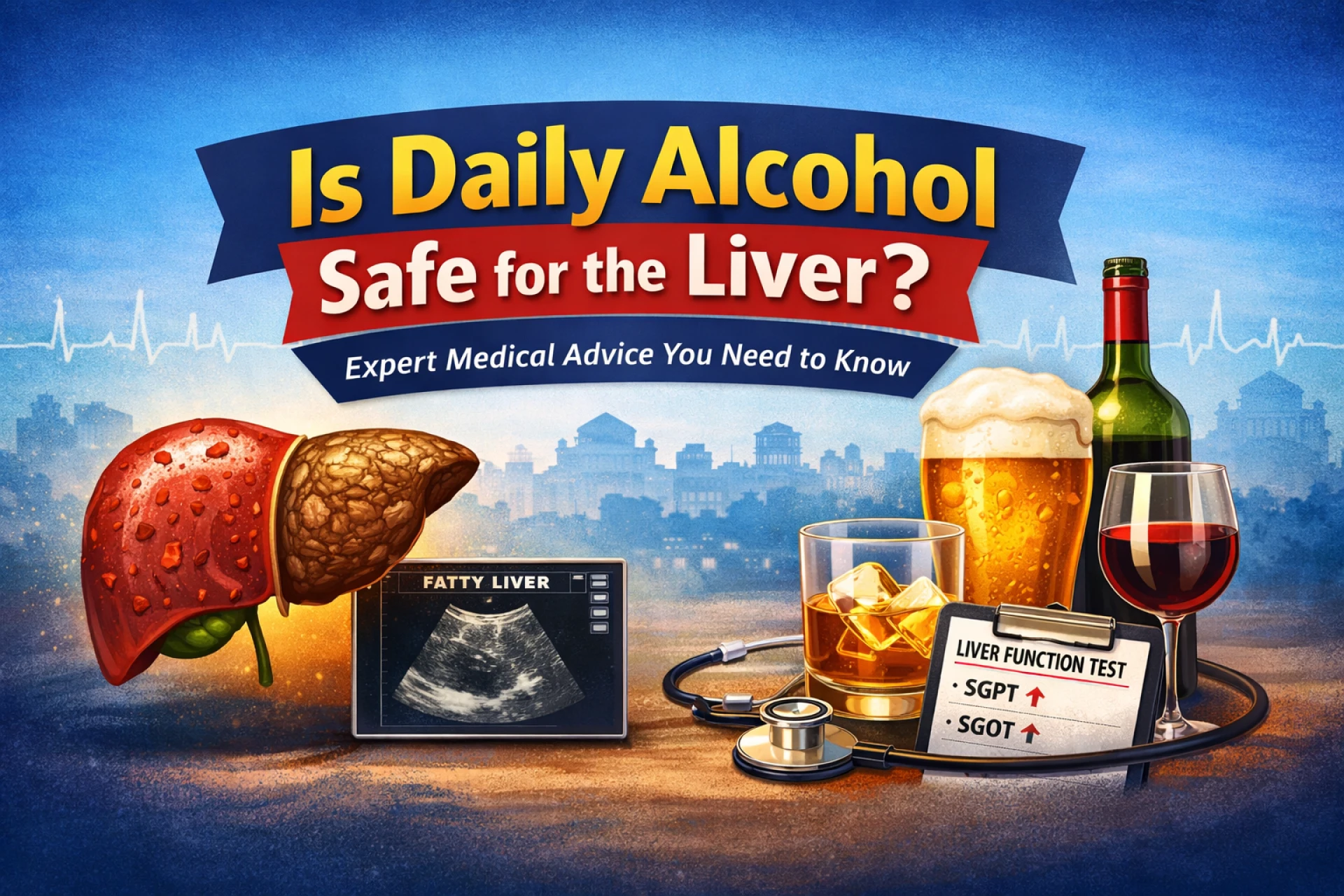

Many people believe that “a little alcohol every day” is harmless — especially if they are not experiencing any symptoms. A small peg at night, weekend drinks with friends, or regular social drinking often feels normal and controlled. But the real question is: Is daily alcohol safe for the liver?
From a medical standpoint, the answer is clear — daily alcohol consumption is not completely safe for the liver, even if the quantity seems moderate.
At ACE Gastro Super Speciality Clinic, Dr. Sushil Kumar Jain regularly sees patients who are unaware that their routine drinking habits have already started affecting their liver function. Often, the damage remains silent for years before symptoms appear.
How Alcohol Affects the Liver
The liver is responsible for metabolising alcohol. When you drink, your liver prioritises breaking down alcohol over other metabolic functions. During this process, toxic byproducts such as acetaldehyde are formed, which can damage liver cells.
If alcohol consumption becomes regular:
- Fat begins to accumulate in liver cells (Fatty Liver)
- Inflammation develops (Alcoholic Hepatitis)
- Scar tissue forms (Cirrhosis)
- Liver function progressively declines
Even people who drink “socially” every day may gradually develop fatty liver disease without noticeable symptoms.
What Is Considered “Safe” Drinking?
Medical guidelines suggest limits, but “safe” does not mean “risk-free.”
- For men: Up to 1–2 standard drinks per day
- For women: Up to 1 standard drink per day
However, these limits vary depending on body weight, metabolism, genetics, and existing liver health. In Indian clinical practice, many patients underestimate their actual intake. What they consider “one peg” may exceed a standard drink measure.
As a Liver Specialist in Jaipur, Dr. Sushil Kumar Jain emphasises that even moderate daily drinking can become harmful if continued over the years.
Early Liver Damage: Why You May Not Notice It
One of the biggest concerns with alcohol-related liver disease is that it often remains silent.
Common early signs may include:
- Mild fatigue
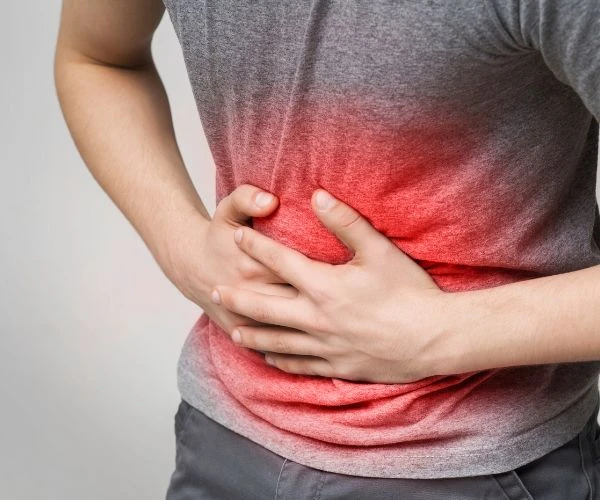
- Heaviness in the right upper abdomen
- Slightly elevated SGPT/SGOT levels
- Occasional bloating
Most patients ignore these signs or attribute them to stress and diet. By the time symptoms like jaundice, swelling, or weight loss appear, the damage may already be advanced.
Consulting a Gastro Doctor in Jaipur early can prevent progression and allow reversal in many cases.
Can the Liver Recover If You Stop Drinking?
Yes — in many cases, the liver has a remarkable ability to regenerate.
- Fatty liver due to alcohol can often reverse within weeks to months after complete abstinence.
- Early alcoholic hepatitis may improve with medical supervision.
- Cirrhosis, however, is largely irreversible, though progression can be slowed.
The key factor is timing. The earlier the intervention, the better the outcome.
As the Best Gastroenterologist in Jaipur, Dr. Sushil Kumar Jain focuses not only on treatment but also on early detection and preventive counselling.
Who Is at Higher Risk?
Daily alcohol consumption becomes particularly risky if you:
- Already have fatty liver (even non-alcoholic)
- Have diabetes or obesity
- Have viral hepatitis (Hepatitis B or C)
- Take medications that affect the liver
- Have a family history of liver disease
In such cases, even small amounts of alcohol can accelerate damage.
Is Weekend Drinking Safer Than Daily Drinking?
Many patients switch to weekend binge drinking, assuming it is safer. Unfortunately, binge drinking (large amounts in a short time) can be equally or more harmful.
Sudden alcohol overload can trigger:
- Acute alcoholic hepatitis
- Severe liver inflammation
- Pancreatitis
The pattern of drinking matters as much as the quantity.
Common Myths About Alcohol and the Liver
Myth 1: Beer is safer than whisky.
All alcohol types contain ethanol, which is the damaging component.
Myth 2: If liver tests are normal, everything is fine.
Early fatty liver may not immediately alter blood tests.
Myth 3: I exercise, so alcohol won’t affect me.
Fitness does not completely offset alcohol’s metabolic impact on the liver.
When Should You See a Doctor?
You should consult a specialist if you:
- Drink daily for more than 1–2 years
- Have elevated liver enzymes
- Experience fatigue or abdominal discomfort
- Have metabolic conditions like diabetes
A timely evaluation with ultrasound, liver function tests, and clinical assessment can prevent long-term complications.
At ACE Gastro Super Speciality Clinic, comprehensive liver evaluation and personalized treatment plans are provided to ensure early diagnosis and appropriate management.
If you are searching for a reliable Gastro Doctor in Jaipur for alcohol-related liver concerns, a professional consultation can provide clarity and direction.
Practical Advice for Liver Protection
If stopping alcohol completely feels difficult, start with structured reduction:
- Fix alcohol-free days every week
- Avoid binge drinking
- Maintain a healthy weight
- Get periodic liver function tests
- Seek medical guidance rather than self-medicating
Complete abstinence remains the safest option for long-term liver health.
As a trusted Liver Specialist in Jaipur, Dr. Sushil Kumar Jain advises patients that prevention is always easier than treating advanced liver disease.
Final Word
Daily alcohol consumption may feel harmless, especially when no immediate symptoms are visible. However, from a medical perspective, routine alcohol intake increases the risk of fatty liver, inflammation, and eventually cirrhosis.
The liver is resilient — but not indestructible.
If you are concerned about your drinking pattern or recent liver reports, consulting the Best Gastroenterologist in Jaipur can help you understand your individual risk and take timely action.























Sign in to leave a comment.