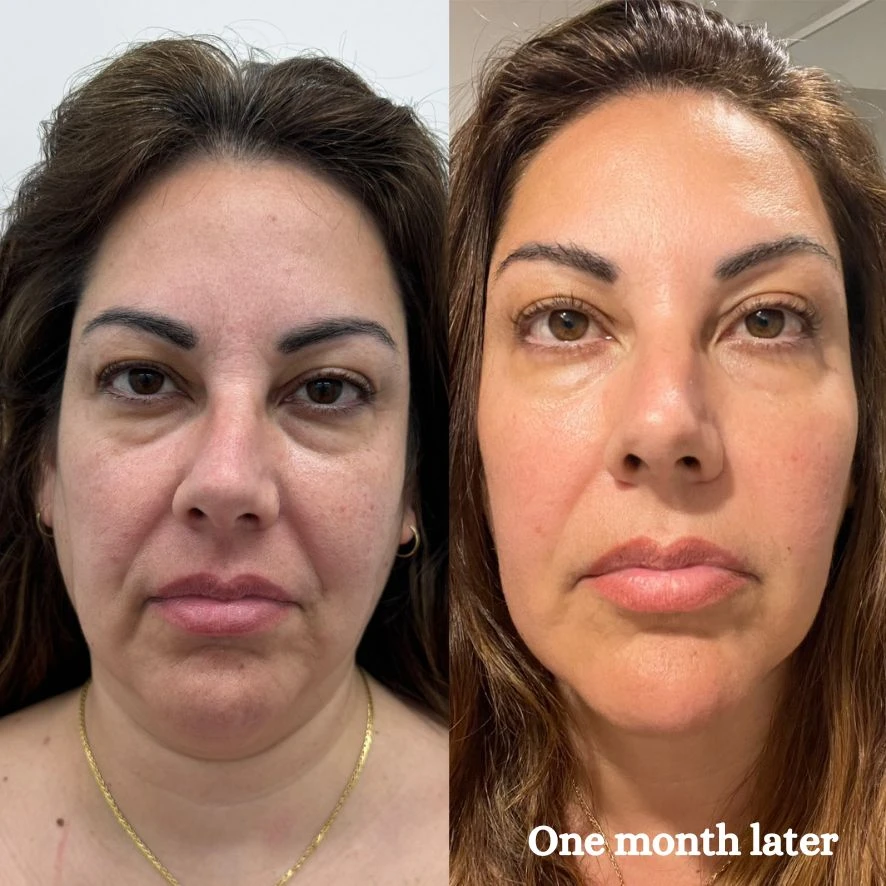

This procedure uses ultrasound energy to target the deeper support layers of the skin, which results in new collagen production and a gradual tightening, lifting and smoothing effect.
One of the key benefits that most people look for is the obvious, smoother skin. However, one question remains. Is HIFU right for all skin types and all age groups? And medically speaking, how can we be certain it is safe and will continue to provide long-term results?
Why skin type matters
HIFU uses focused ultrasound energy rather than light. It therefore does not affect melanin in the skin's surface layers, unlike laser devices. That's why most skin tones, even darker complexions, are safe to treat with HIFU without the pigment changes sometimes seen with laser devices such as Picoway laser.
Skin condition still plays a role in determining the likelihood of temporary side effects. Very dry, thinned, irritated, or inflamed skin is more likely to react with redness, tenderness or temporary swelling after treatment. Active eczema, acne flare or recent sunburn in the treatment area may also cause increased sensitivity.
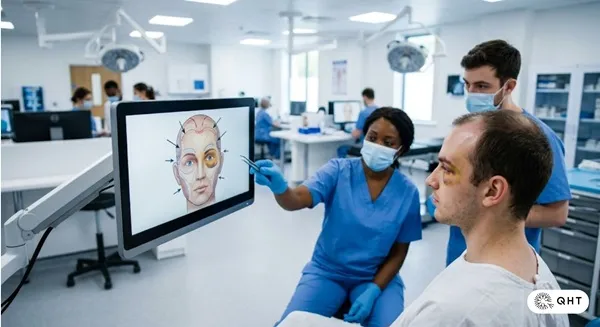
Your practitioner should therefore conduct a thorough pre-treatment assessment. Skin thickness, laxity, recent filler placement, any barrier damage and overall healing capacity should be reviewed before having a HIFU facial. That evaluation can help determine whether you are a good candidate on the day of treatment and which settings are appropriate for safe and effective tightening.
Can all age groups use HIFU
Age also determines the extent to which skin reacts to HIFU. Young individuals in their late twenties or early thirties use HIFU more as a preventive treatment, hoping to maintain firmness before it becomes obvious that it is sagging. Adults in middle age gain the most because their collagen creation is already decreasing. For older patients, HIFU may also provide enhancement. However, the effect may not be so dramatic, particularly if the skin has already lost elasticity. Some older patients may require more than one session or a combination of procedures to see improvements.
Scientific evidence behind HIFU safety
Several scientific papers have distinguished the safety profile of HIFU. Dermatological research repeatedly shows that, when performed appropriately, HIFU has very low side effects and a perfect safety profile. The most frequently reported after-effects are transient redness or temporary discomfort, which tend to resolve within a few days. No complication of lasting importance has ever been satisfactorily reported in peer-reviewed medical literature. But improper energy levels or technique will produce unbalanced outcomes or minor burns, so well-trained practitioners should be contacted. Science prefers HIFU as safe, but emphasises precise application based on the individual's skin type.
What are the common side effects and risks
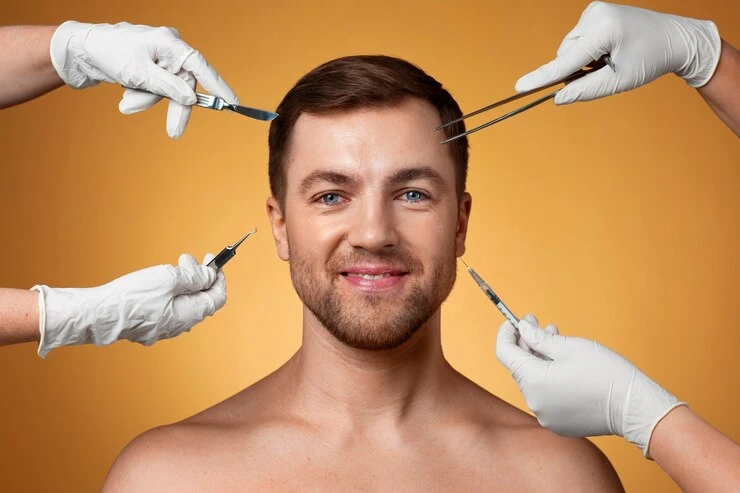
The majority of people can tolerate HIFU, but there are temporary side effects. Temporary facial flushing or swelling immediately after treatment is standard and is a skin reaction to high energy. Some experience tingling or constriction for a few hours, and there are rare episodes of mild bruising. Skin scorching or nerve damage can occur, but is uncommon when using correctly adjusted machines and treating the correct depth. For this reason, it is advised to have the procedure performed by experienced clinicians rather than entrusting it to untrained ones.
How HIFU are different from laser treatments
It must be noted that HIFU and laser treatments are different. Laser treatments use light energy to target the skin's surface, generally to tighten, improve pigmentation, or improve texture. HIFU skips the outside layer altogether, however, targeting deeper layers to lift and tighten. What this does is make HIFU safer overall than some lasers, which can cause pigmentation problems. Even so, people who want to undergo both procedures can only be advised by a professional on when and whether to do them simultaneously. In others, people who get laser tattoo removal in Melbourne and then go for HIFU to restore their faces must allow enough time to heal in between.
What results can you expect
HIFU results are progressive, not immediate. Regeneration of collagen is slow. A noticeable improvement usually occurs 2 to 3 months after treatment. Skin tightens, smooths, and lightly lifts as a result of the deposition of new collagen. The amount of improvement varies with individual, age, genetics, and lifestyle. Individuals who eat well, drink plenty of water, and do not smoke achieve the best results. Before-and-after photographs usually accentuate the difference that can be made subtly yet naturally without surgery, but put things in perspective—HIFU is smoothing, not reconstructing, the skin.
The last word: What science and experience imply
Science supports HIFU as a largely safe and effective treatment for most people when used professionally. It is a procedure that tightens skin without surgery, increases firmness, and retards visible signs of aging. Not everyone can undergo it, however. Active skin infections, active inflammatory acne, open wounds, and certain medical conditions render it inadvisable.
Similarly, people with extremely loose skin or sun-damaged skin can only see limited improvements. Booking a consultation appointment with a dermatologist or skin doctor will ensure you get a personalised evaluation and a reduced risk.
In summary, HIFU really launched a new era of nonsurgical facial rejuvenation by providing real results with little to no downtime. Science is not going to make you do anything unsafe, but it also will never ignore that every skin type and age group will react uniquely. A careful evaluation of HIFU before and after pictures and informed direction are what guarantee good results. For anyone interested in pursuing this therapy, scheduling an informed consultation with an experienced professional is the place to begin.















Sign in to leave a comment.