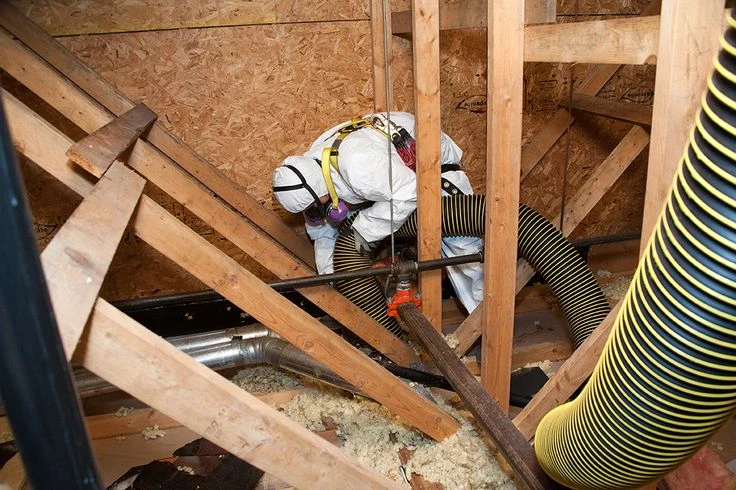

Many homes fail an energy audit because old insulation traps moisture, loses performance, or blocks proper air sealing. In some cases, insulation removal is required before a home can pass inspection and qualify for upgrades or rebates.
Energy auditors often check insulation condition, thickness, and safety. If the material is damaged, contaminated, or installed incorrectly, removal becomes necessary before adding new insulation.
Professionals with hands-on experience in building performance assess these conditions carefully. Insulation Removal Experts review the full structure before deciding what stays and what goes.
Why Insulation Removal Is Sometimes Required
Energy audits measure how well a home controls heat loss and air leakage. Old or failing insulation can reduce efficiency and trigger audit failure.

Common Reasons Removal Is Needed
- Mold growth from past leaks or moisture buildup
- Animal damage or contamination
- Wet or compressed insulation
- Incorrect material installed in the wrong space
- Air gaps that reduce thermal performance
If inspectors detect these issues, they may recommend Insulation Removal Services before approving upgrades.
Poor insulation condition directly affects heat retention and air sealing scores. Removing damaged materials creates a clean base for new installation.
How Insulation Removal Impacts Energy Audit Results
Auditors check insulation depth, coverage, and safety compliance. Removing bad insulation improves audit outcomes when done properly.
Key Audit Factors
| Inspection Area | What Auditors Check | Impact of Removal |
|---|---|---|
| Moisture Level | Signs of leaks or dampness | Clears contaminated areas |
| Air Leakage | Gaps around framing | Allows proper sealing |
| R-Value | Thickness and material quality | Enables correct upgrade |
| Safety | Mold, pests, fire hazards | Removes risky materials |
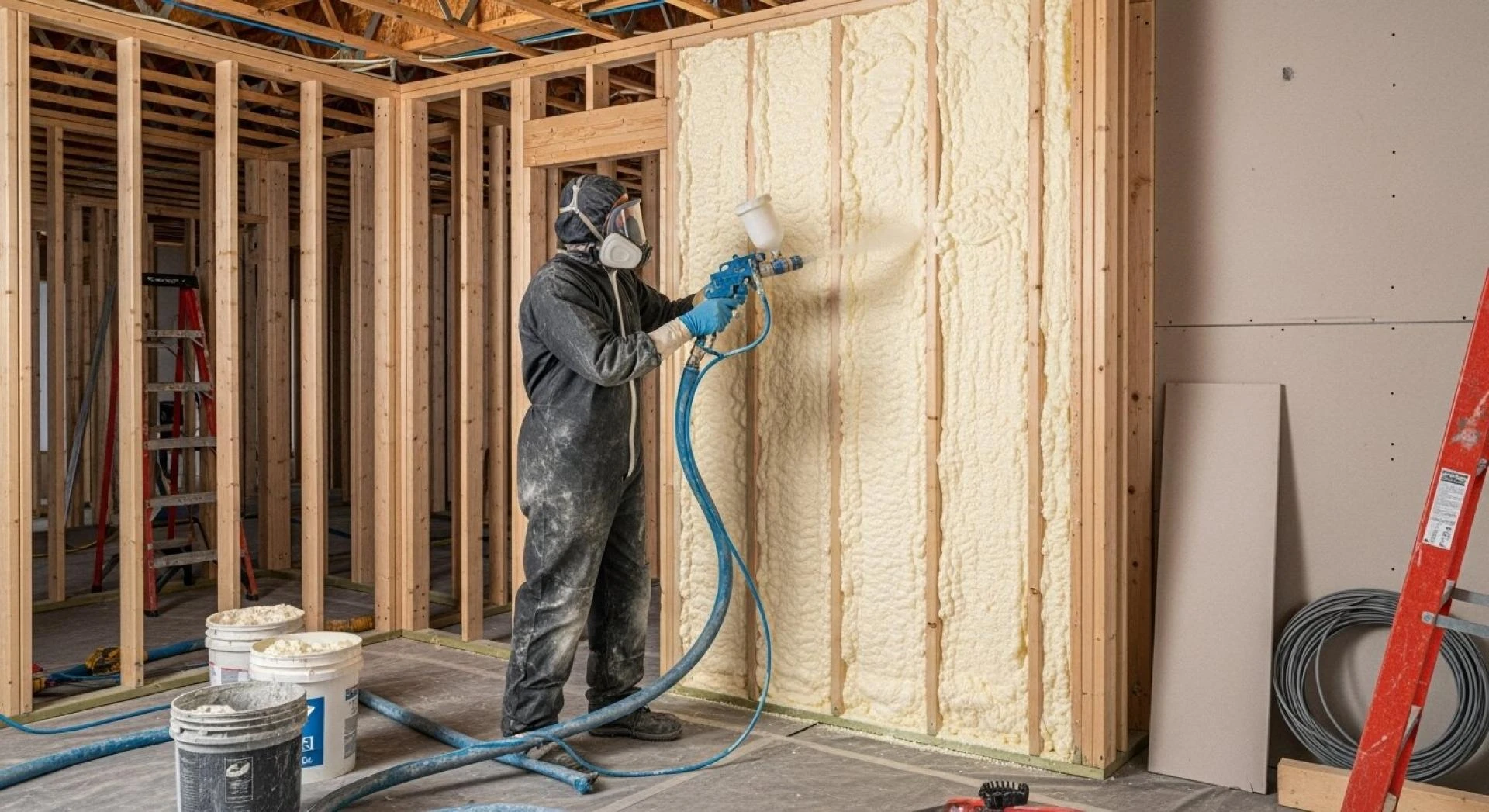
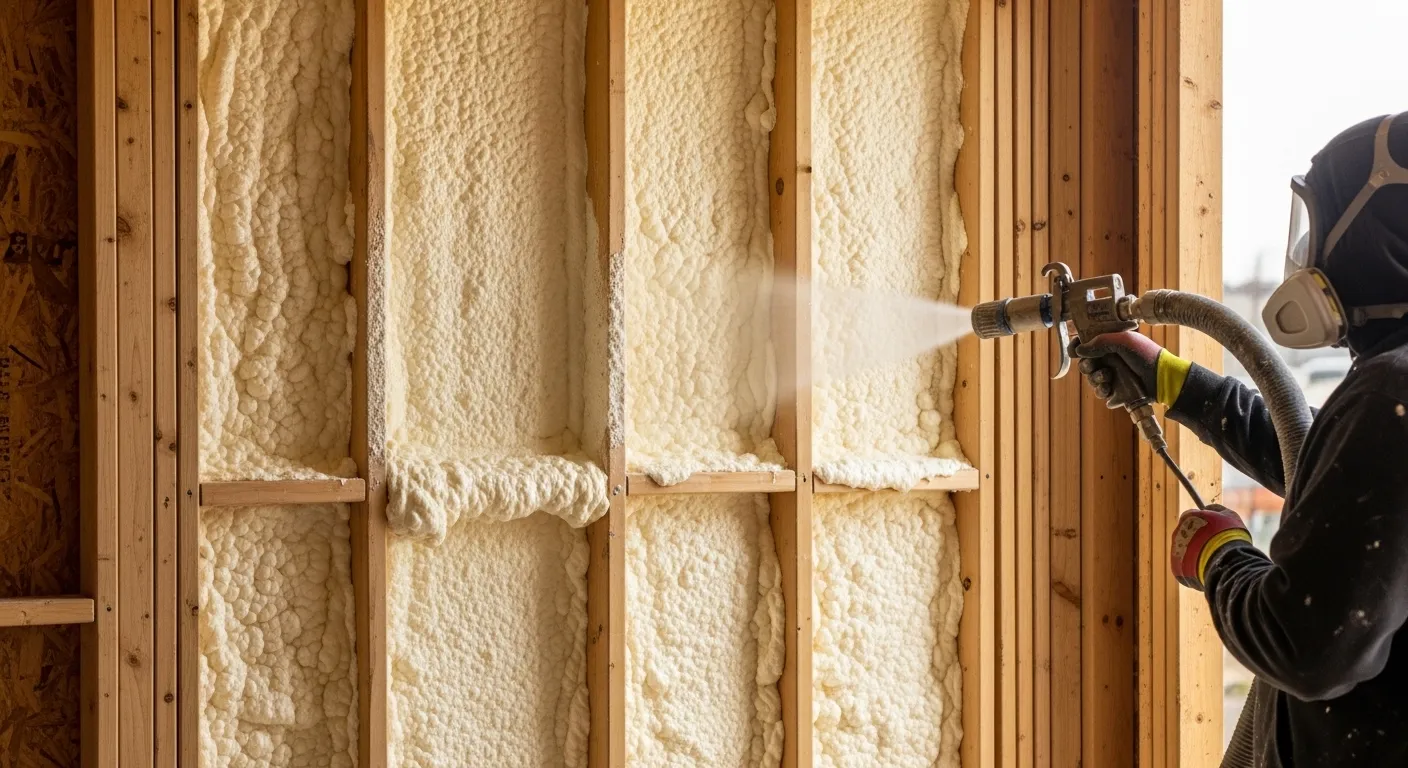
Proper removal creates space for high-performance insulation systems. Many homes require this step before spray foam or dense-pack upgrades.
Qualified Insulation Removal Company teams inspect before removing anything. They avoid unnecessary removal to reduce cost and disruption.
Professional Approach to Insulation Removal
Skilled teams follow structured steps to protect the home and improve results.
Inspection First
They examine:
- Attic structure
- Crawl space condition
- Wall cavities
- Signs of water intrusion
An early inspection determines whether full or partial removal is needed.
Safe Removal Process
- Seal off work areas
- Remove contaminated insulation
- Clean surfaces
- Dispose of materials properly
After cleanup, they prepare the area for new insulation installation.
Proper preparation ensures the home passes future energy checks.
Insulation Removal Services vs DIY Removal
Homeowners sometimes consider removing insulation themselves. That option carries risks.
Key Differences
| Factor | Professional Service | DIY Approach |
|---|---|---|
| Safety | Trained handling of contaminants | Exposure risk |
| Equipment | Industrial vacuums and tools | Basic tools |
| Disposal | Proper waste management | Local disposal challenges |
| Audit Readiness | Prepares for inspection | Risk of missed issues |
Professional Insulation Removal Services reduce errors and ensure compliance with audit standards.
Experts review hidden moisture, structural damage, and air sealing needs before finishing the job.
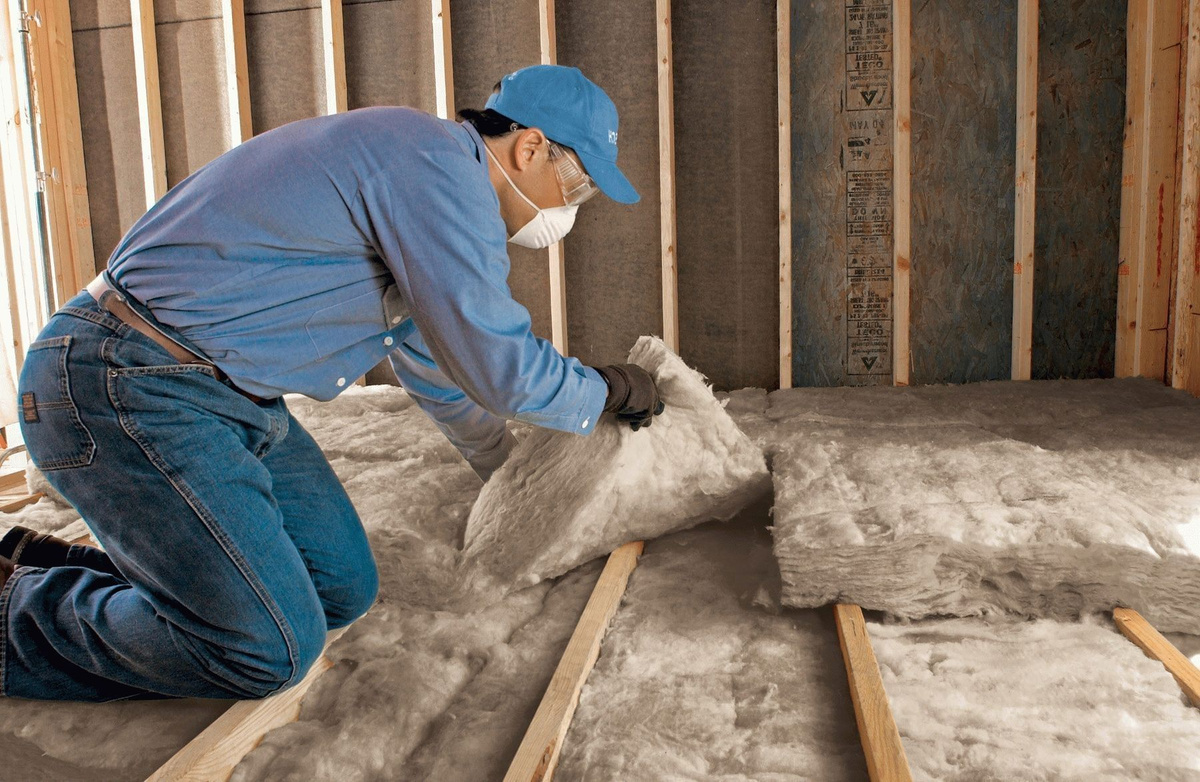
Things to Consider Before Making a Decision
Homeowners should review key factors before removing insulation.
- Age of current insulation
- Evidence of mold or moisture
- Past roof or plumbing leaks
- Energy audit recommendations
- Budget for replacement materials
Not every home needs full removal. Sometimes only damaged sections require attention.
A trusted Insulation Removal Contractor evaluates conditions carefully and recommends targeted solutions instead of unnecessary work.
Climate also plays a role. In colder regions, wet insulation can freeze and reduce performance quickly. In humid areas, moisture buildup creates long-term problems.
Bonus Tips
- Schedule removal before adding new insulation to avoid trapping old problems
- Fix roof leaks first to prevent repeat damage
- Combine removal with air sealing for better audit results
Small preparation steps improve energy performance and reduce future repairs.
Conclusion
Insulation removal is not always required for an energy audit, but it becomes necessary when insulation is damaged, contaminated, or improperly installed. Removing problem areas allows auditors to measure accurate performance and approve upgrades.
Homeowners should review their insulation condition before scheduling an audit. Professional inspection helps determine the right solution.
Careful evaluation protects long-term energy performance and avoids repeated repair costs.
Next Steps
Property owners who need guidance can connect with experienced professionals for inspection and advice.
Lamothe Insulation offers evaluation and removal support based on field experience and building performance knowledge.
They can be reached at: Email: [email protected] Phone: (508) 847-0119
Their team reviews insulation conditions and recommends practical steps to improve audit readiness and efficiency.
Frequently Asked Questions About Insulation Removal
Does every home need insulation removal to pass an energy audit?
No. Only homes with damaged, contaminated, or poorly installed insulation require removal. Clean and effective insulation usually stays in place.
How long does insulation removal take?
Most attic projects take one to two days. Larger homes or severe contamination may take longer.
Can new insulation be installed without removing old material?
Sometimes. If the existing layer is clean and intact, installers may add new insulation over it after inspection.
Does insulation removal improve energy savings?
Yes when old insulation blocks airflow or contains moisture. Removing it allows proper sealing and replacement with higher-performing materials.
Who should handle insulation removal for audit preparation?
A trained Insulation Removal Company with inspection experience should manage the process to ensure audit compliance and safety.
Author: With over two decades of hands-on experience, Robert Lamothe, owner and lead installer of Lamothe Insulation, brings strong expertise in spray foam insulation, carpentry, and building performance. Lamothe Insulation is a family-owned and family-operated business focused on quality results.
Reviewer: Ethan Taylor has 8 years of experience in spray foam insulation. He reviewed the content and provided guidance to simplify outreach while maintaining trust and professionalism.



























Sign in to leave a comment.