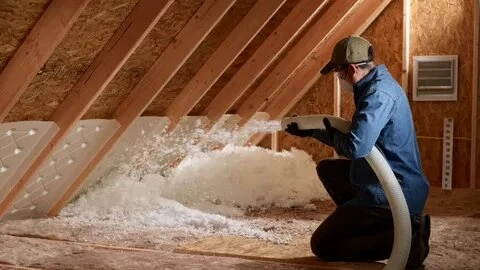
Blown-In Insulation helps reduce heat transfer and keeps indoor spaces cooler during hot months. Many homes lose energy through thin or outdated insulation. Adding proper insulation lowers strain on cooling systems and reduces monthly energy use.
This method works well for attics, wall cavities, and hard-to-reach areas. It fills gaps evenly and improves thermal resistance. Homeowners often see lower cooling costs after proper installation.
Professionals such as Blown-In Insulation Services and Blown-In Insulation Experts assess spaces before installation to ensure proper coverage and performance.
Why Blown-In Insulation Reduces Cooling Costs
Blown-In Insulation slows heat movement through ceilings and walls. During summer, hot air tries to enter living spaces. Good insulation blocks that transfer and keeps conditioned air inside.
Industry data shows homes with upgraded insulation can reduce cooling energy use by 15% to 25%. Energy efficiency programs also report lower HVAC wear when insulation levels improve.
How It Works
It fills small gaps and irregular spaces where heat often leaks.
- Fiberglass or cellulose material spreads evenly across surfaces
- Dense coverage reduces air leaks
- Installed quickly with specialized equipment
Proper installation matters. A trained Blown-In Insulation Contractor checks depth and coverage to meet recommended R-values.
Key Benefits
- Lower monthly cooling bills
- Improved indoor comfort
- Reduced strain on air conditioning systems
- Better temperature balance across rooms
Types of Blown-In Insulation Materials
Different materials offer different performance levels. Choosing the right one depends on climate, budget, and building structure.
| Material | Heat Resistance | Moisture Handling | Common Use |
|---|---|---|---|
| Cellulose | High | Moderate | Attics, wall cavities |
| Fiberglass | Moderate to High | Low moisture retention | Large open spaces |
| Mineral fiber | High | Good resistance | Fire-prone areas |
Market trends show cellulose remains one of the most used materials for residential retrofits because it offers strong coverage at a reasonable cost. Demand for energy upgrades has increased as utility prices rise nearly 10% in many regions over recent years.
Professionals review building conditions before recommending material. The right choice improves long-term performance.
When Homes Need Blown-In Insulation
Many homes lose efficiency because insulation levels drop over time. Older properties often lack proper attic coverage.
Signs Insulation Needs Upgrade
- Uneven indoor temperatures
- High cooling bills during summer
- Visible gaps or thin layers in the attic
- Air drafts near ceilings or outlets
A quick inspection from Blown-In Insulation Experts helps identify missing areas. They measure existing depth and recommend added coverage if needed.
Regional Climate Considerations
Homes in hot summer regions require higher R-values to block heat. Coastal areas may need moisture control strategies. Cold regions benefit from thicker attic layers to prevent heat escape during winter.
Installation Process Overview
Installation follows clear steps to ensure proper performance.
Preparation
- Inspect attic or wall cavities
- Seal air leaks before adding material
- Protect vents and wiring
Application
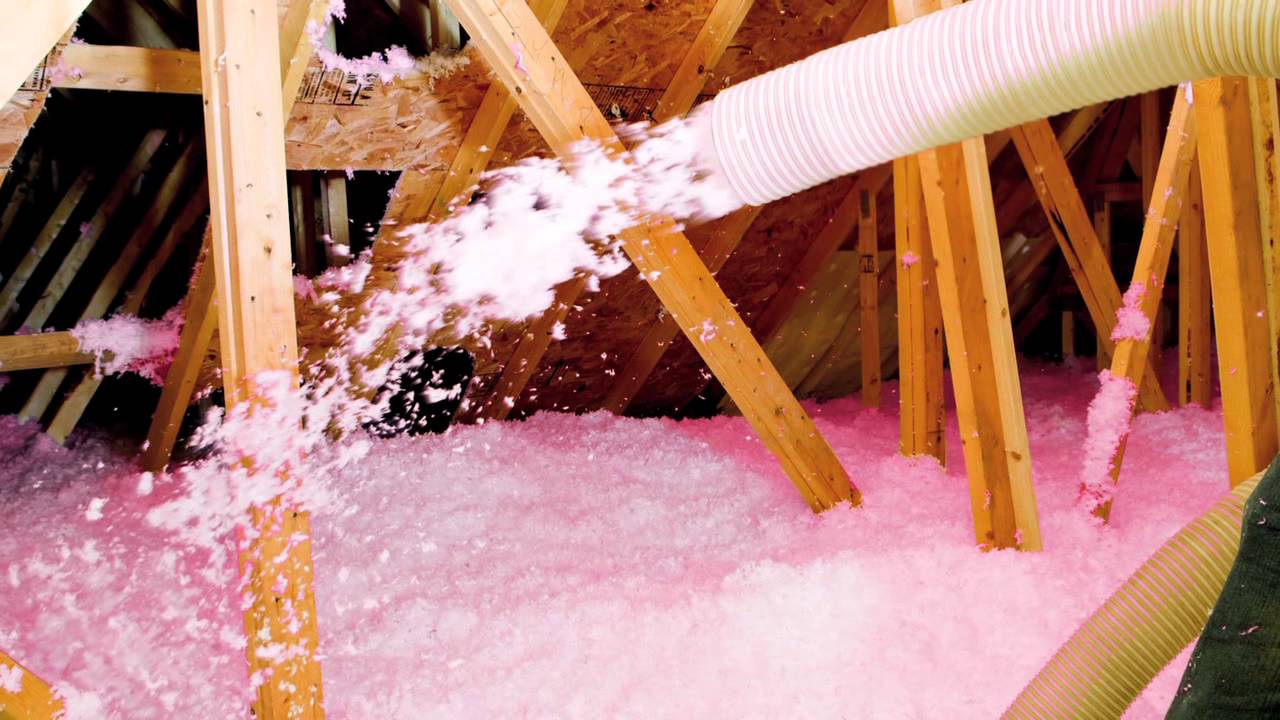
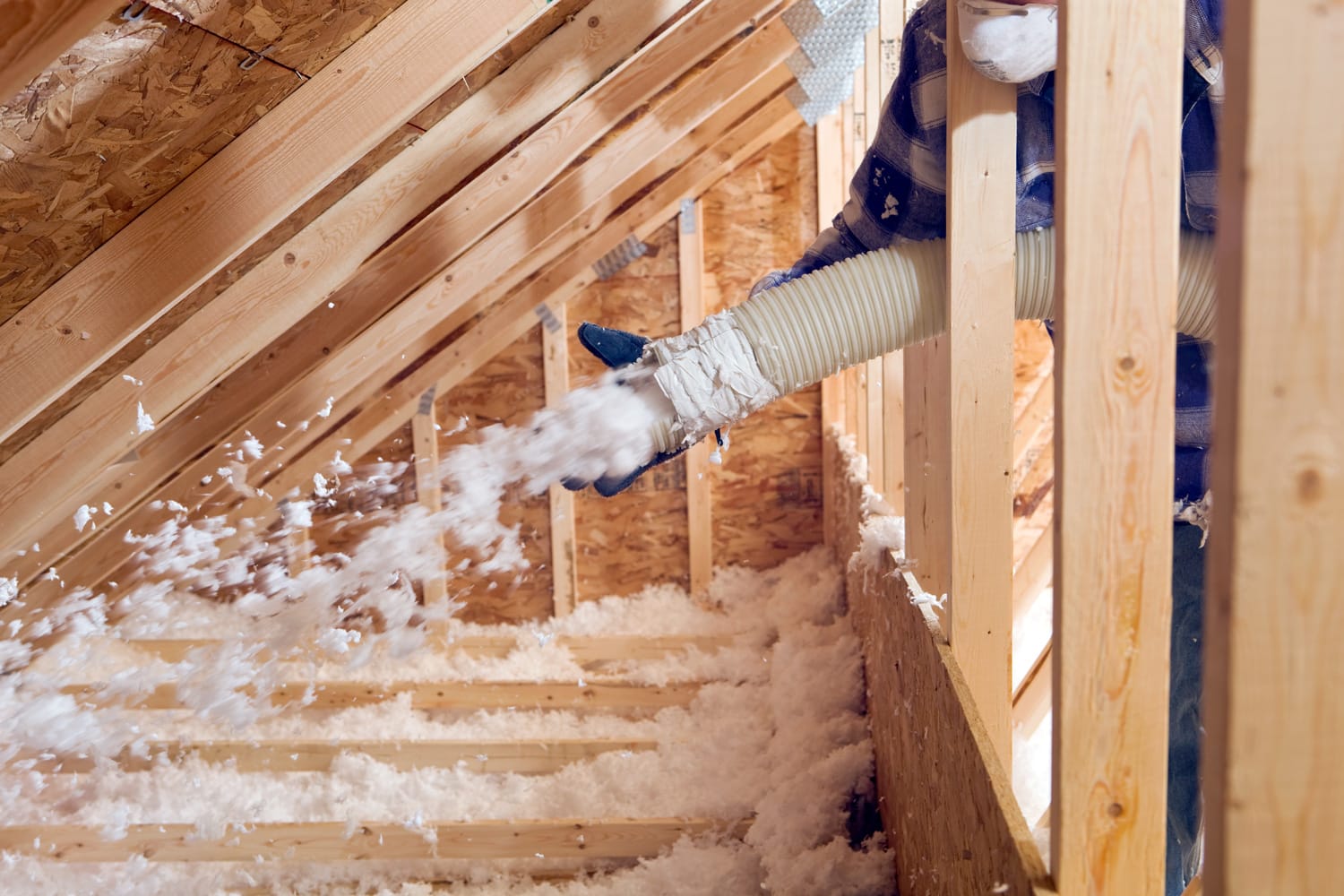
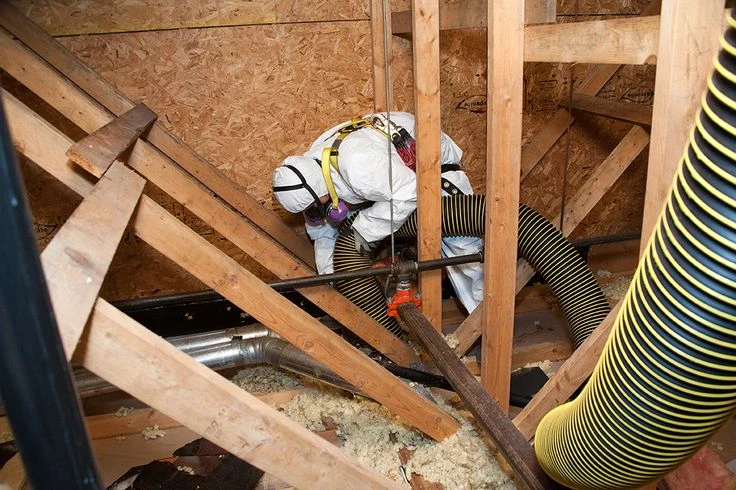
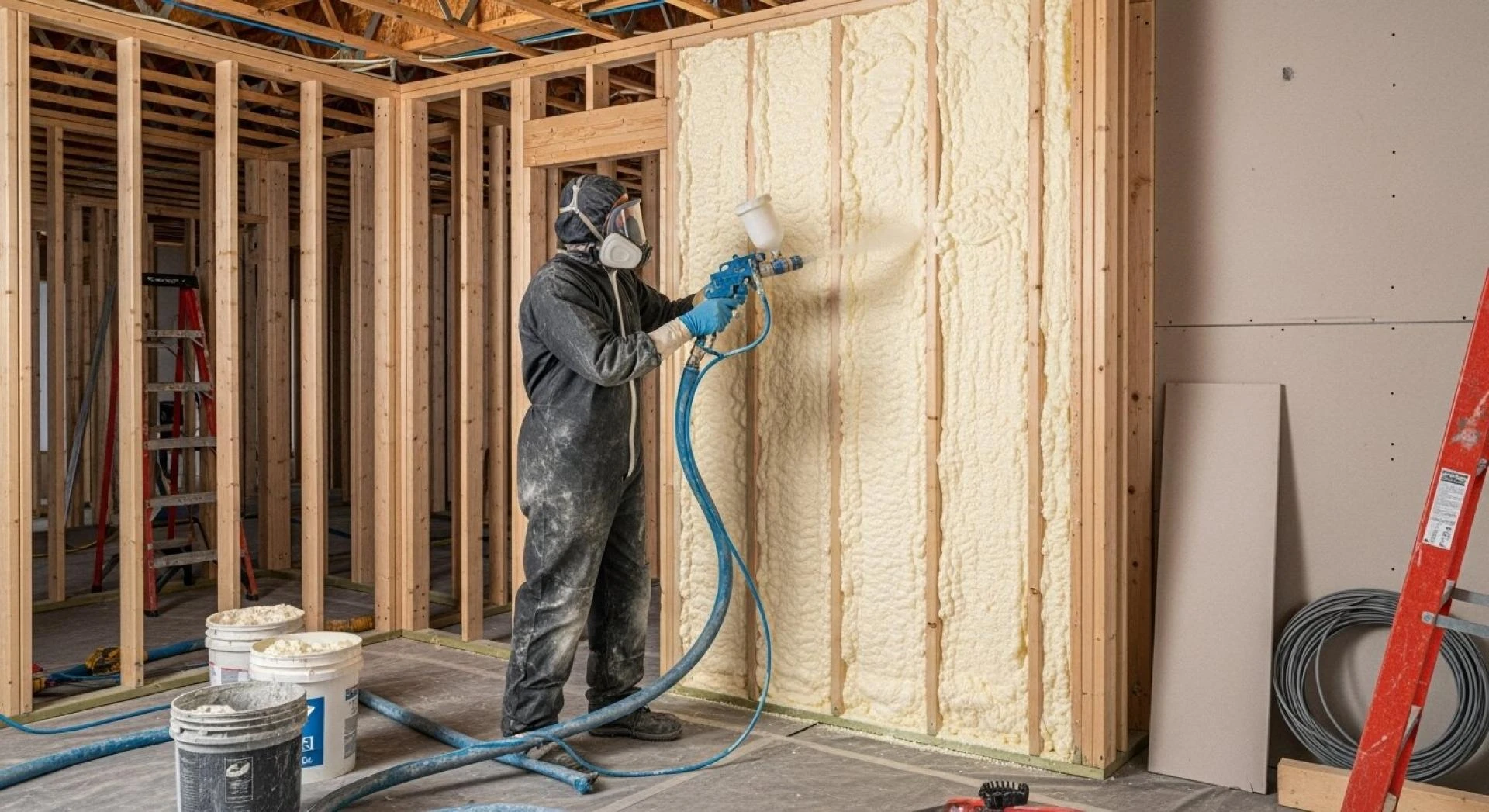
- Use blowing equipment to distribute material evenly
- Monitor depth to meet insulation standards
- Verify full coverage after installation
Post Installation Check
- Confirm target thickness
- Inspect for gaps
- Test airflow reduction
Experience matters during this process. Proper technique prevents settling and uneven density.
Things to Consider Before Making a Decision
Before investing in insulation upgrades, homeowners should review key factors.
- Current insulation depth and condition
- Budget for installation
- Energy savings goals
- Home age and structure type
- Local climate demands
A professional assessment provides accurate recommendations. Choosing experienced Blown-In Insulation Services ensures correct material selection and installation depth.
Understanding long-term savings helps justify upfront costs. Many property owners recover installation expenses through reduced energy bills over time.
Cost vs Savings Comparison
| Factor | Before Upgrade | After Blown-In Installation |
|---|---|---|
| Cooling Costs | High during peak summer | Reduced due to better heat control |
| Indoor Comfort | Hot spots common | Balanced temperatures |
| HVAC Usage | Frequent cycling | Reduced workload |
Energy savings depend on insulation quality and home layout. Strong installation improves return on investment.
Bonus Tips
- Seal air leaks before installing insulation to maximize performance
- Schedule installation during mild weather for easier attic access
- Combine insulation upgrades with air sealing for better results
These simple steps improve efficiency and reduce future repair needs.
Questions People Ask About
How long does blown-in insulation last
It lasts decades when installed correctly. Fiberglass and cellulose materials hold their shape if protected from moisture.
Does it improve resale value
Energy-efficient upgrades often increase property appeal. Buyers prefer homes with updated insulation.
Can it reduce noise inside the home
Yes. Dense material absorbs sound and lowers noise transfer between rooms.
How fast is installation completed
Most attic projects finish within a single day depending on size and condition.
Is professional installation necessary
Professional work ensures proper depth, coverage, and safety compliance. Experts avoid uneven layering that reduces performance.
Conclusion
Blown-In Insulation reduces heat gain and supports lower summer cooling costs. Proper installation improves comfort and energy efficiency. Material choice and correct depth determine long-term performance.
Homeowners should evaluate insulation levels, climate needs, and budget before deciding. A professional inspection provides clear guidance on next steps.
Get Professional Help
Lamothe Insulation offers guidance on Blown-In Insulation options and system upgrades. Their team reviews spaces, recommends suitable materials, and handles installation with care.
For more details, contact:
Lamothe Insulation
Email: [email protected]
Phone: (508) 847-0119
They support property owners with practical solutions tailored to energy goals and building needs.
Author: With over two decades of hands-on experience, Robert Lamothe, owner and lead installer of Lamothe Insulation, brings expertise in spray foam insulation, carpentry, and building performance. Lamothe Insulation is family owned and operated.
Reviewer: Ethan Taylor has 8 years of experience in spray foam insulation. He reviewed the content to simplify outreach while maintaining trust and professionalism.
























Sign in to leave a comment.