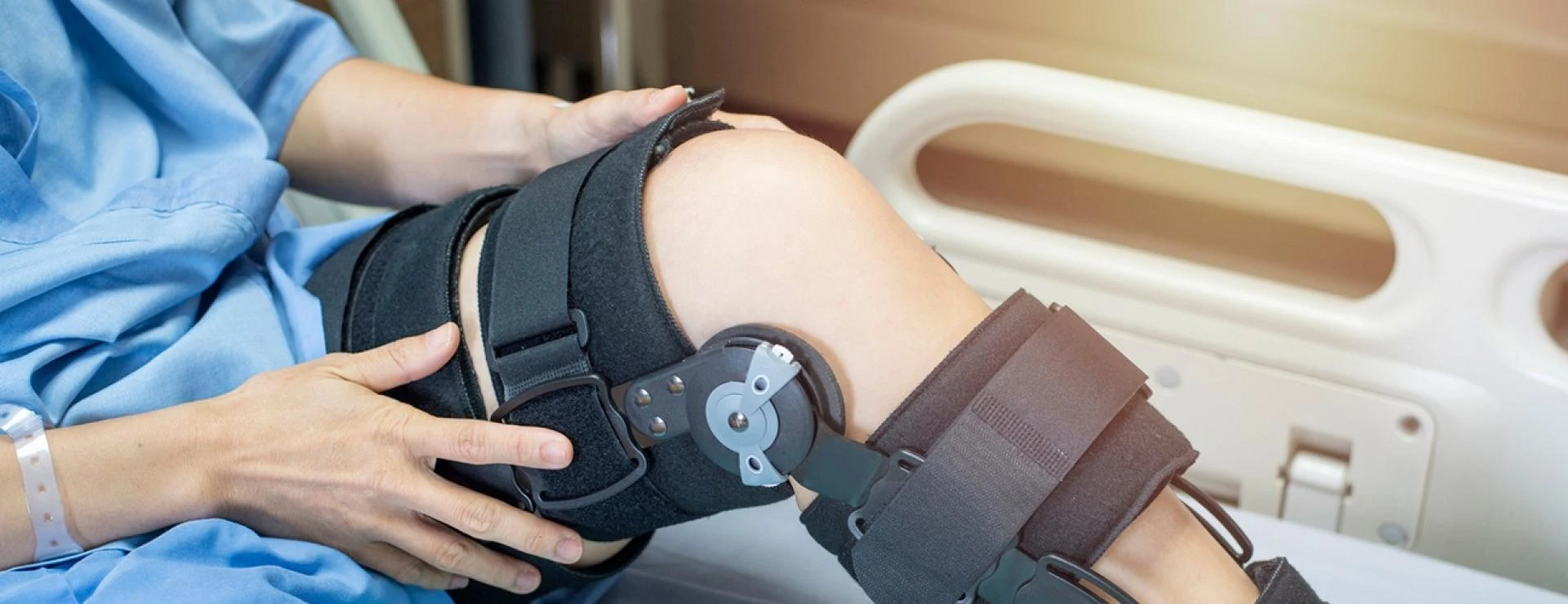
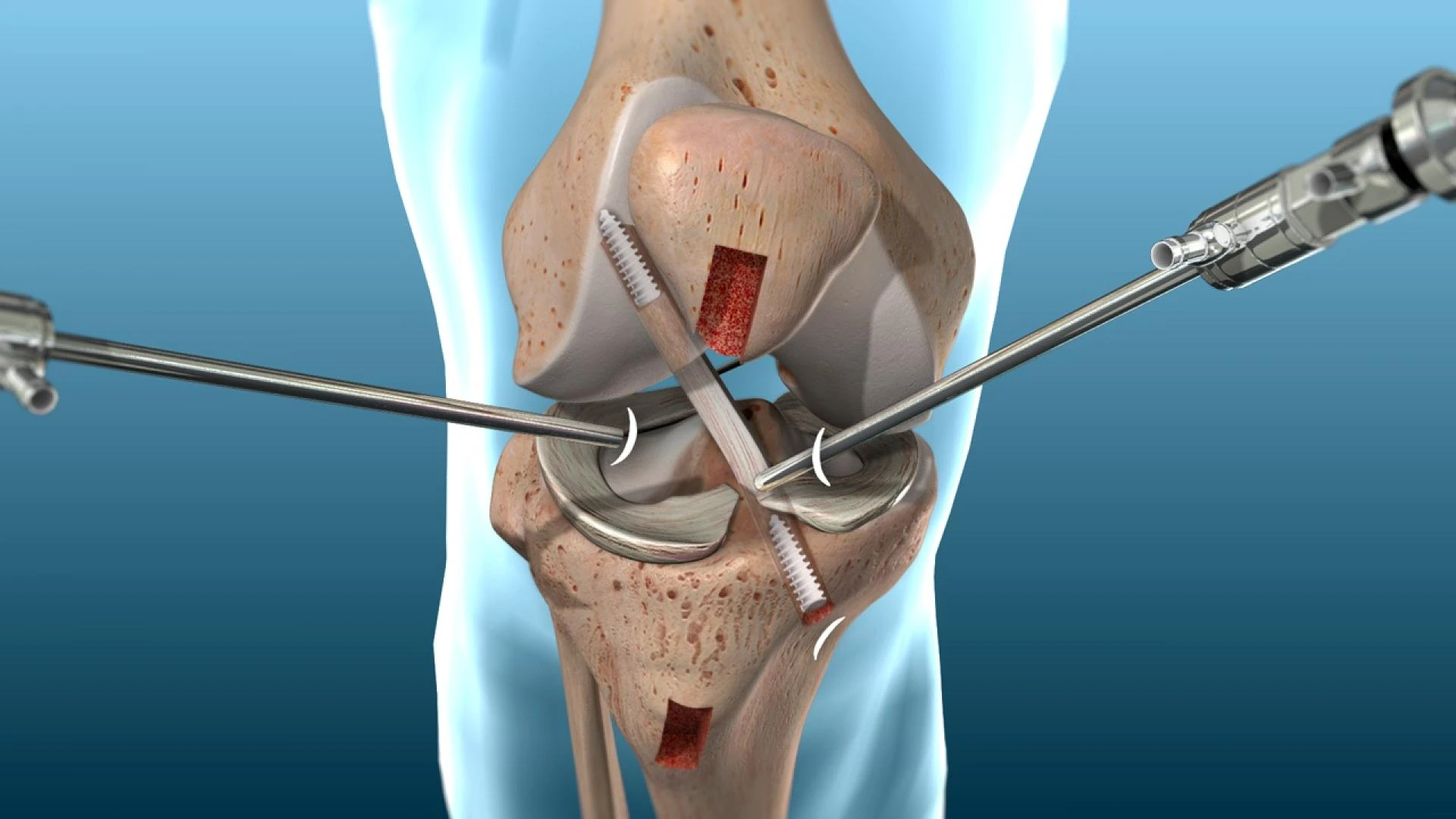
ACL (Anterior Cruciate Ligament) reconstruction is a widely performed procedure to restore knee stability after ligament injury. While surgery plays a crucial role in repairing the damaged ligament, recovery does not end in the operating room. One of the most important parts of successful healing is physiotherapy. Many patients wonder whether physiotherapy is truly necessary after ACL reconstruction, and the answer is yes—it is a vital step in achieving full recovery and returning to normal activities safely.
Why Physiotherapy Is Important After ACL Surgery
ACL reconstruction stabilizes the knee, but the surrounding muscles, ligaments, and tissues also need time and guided rehabilitation to regain strength and flexibility. Without physiotherapy, the knee may remain stiff, weak, and more prone to reinjury. A structured rehabilitation program helps restore proper movement, improves muscle strength, and ensures the new ligament heals in a stable environment.
Key Goals of Post-Surgery Physiotherapy
Physiotherapy after ACL reconstruction focuses on several essential goals that support long-term recovery:
1. Reducing Pain and Swelling In the early phase after surgery, physiotherapy techniques help control swelling and discomfort. Gentle movements and guided exercises prevent stiffness and promote circulation.
2. Restoring Range of Motion After surgery, bending and straightening the knee may feel difficult. Physiotherapists gradually introduce exercises to restore normal movement without stressing the reconstructed ligament.
3. Strengthening Muscles Muscles around the knee, especially the quadriceps and hamstrings, often become weak after injury and surgery. Strengthening these muscles is crucial to support the knee joint and improve stability.
4. Improving Balance and Stability As recovery progresses, physiotherapy includes balance and coordination exercises. These help patients walk confidently and return to daily activities, sports, or fitness routines.
5. Preventing Reinjury A well-planned physiotherapy program teaches patients safe movement patterns and reduces the risk of damaging the new ligament. Skipping rehabilitation can increase the chances of long-term complications.
Recovery Timeline and Commitment
Physiotherapy usually begins soon after surgery and continues for several weeks to months, depending on the patient’s progress. Early sessions focus on gentle movements, while later stages involve strength training and functional exercises. Consistency and commitment to the rehabilitation plan are key factors in achieving the best possible outcome.
Expert Care and Rehabilitation Support
Dr. Yugal Karkhur is experienced in managing ligament injuries and guiding patients through every stage of recovery. Recognized as the best orthopaedic surgeon in Lucknow, he emphasizes the importance of a structured rehabilitation plan after surgery. At Ykorthopaedics, patients undergoing ACL reconstruction in Lucknow receive comprehensive care that includes surgical expertise, physiotherapy guidance, and regular follow-ups to ensure safe and effective recovery.
Conclusion
Physiotherapy is not optional after ACL reconstruction—it is an essential part of the healing process. It helps restore strength, flexibility, and confidence in the knee while reducing the risk of complications. Patients who follow a guided rehabilitation program are more likely to return to their normal routine and physical activities successfully. Consulting an experienced orthopaedic specialist and committing to physiotherapy can make a significant difference in achieving long-term knee stability and function.



















Sign in to leave a comment.