
In today’s world, sustainability and eco-conscious choices are at the forefront of nearly every industry. Whether it’s food, fashion, or home improvement, people are actively seeking environmentally friendly options. Among popular choices for countertops and other surfaces, quartz has emerged as a favorite due to its durability, aesthetic appeal, and resistance to stains and scratches. But beyond its physical and design advantages, a critical question arises—is quartz eco-friendly? In this article, we’ll dive into the sustainability profile of quartz, from raw material sourcing to manufacturing, transportation, installation, and end-of-life impact.
Understanding What Quartz Is
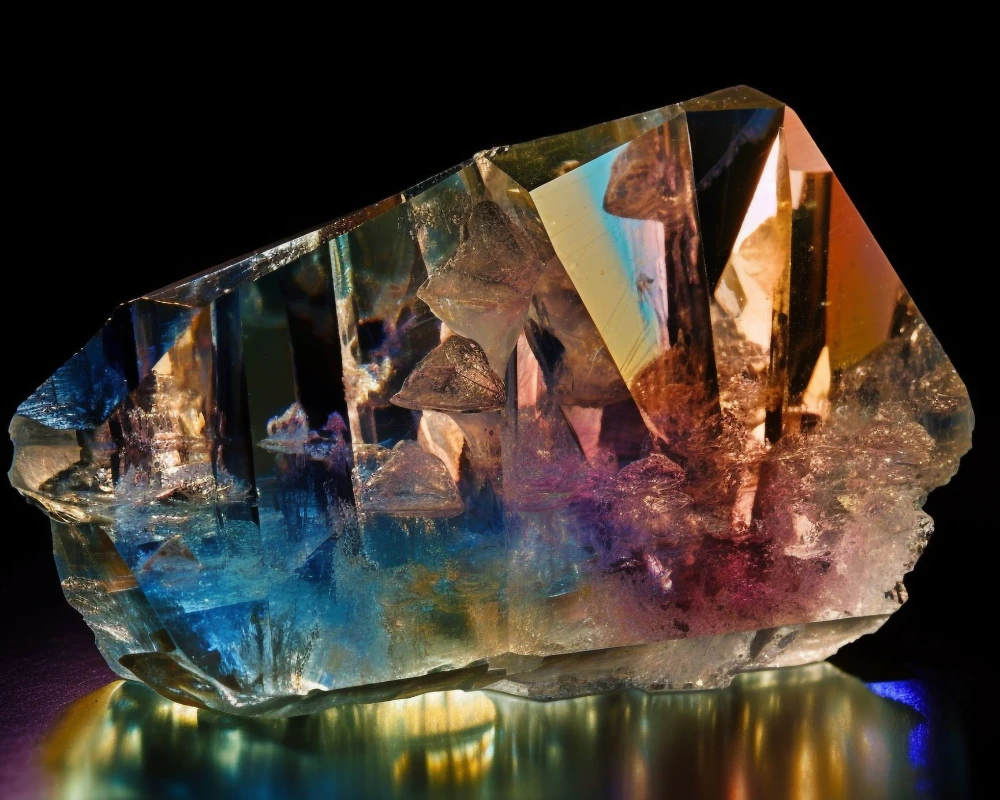
Before analyzing its environmental impact, it’s important to understand what quartz actually is. Quartz is a naturally occurring mineral, composed mainly of silicon and oxygen, making it the second most abundant mineral in the Earth's crust. When people refer to quartz countertops or surfaces, they’re usually talking about engineered quartz. This material is manufactured by combining around 90-95% crushed natural quartz crystals with 5-10% polymer resins, pigments, and other additives. The result is a hard, non-porous surface that's widely used in residential and commercial spaces.
Engineered quartz differs from natural stone like granite or marble because it is not cut directly from slabs. Instead, the crushed quartz is mixed with resin and poured into molds, which are then baked and polished. This manufacturing process is one of the key areas where sustainability concerns arise, as it involves energy consumption and the use of synthetic materials.
Is Quartz a Renewable Resource?
From a strictly geological perspective, quartz is a non-renewable resource because it takes millions of years to form naturally. However, its abundance on Earth makes it readily available and less environmentally damaging to source compared to other rare minerals. In fact, quartz is often found as a byproduct of mining operations for other materials, which helps reduce the need for dedicated mining processes solely for quartz extraction.
That said, the sustainability of quartz depends more on how it is mined and processed. Ethical sourcing plays a significant role here. Mines that follow sustainable practices limit land disruption, use less water, and minimize emissions. Unfortunately, not all quartz suppliers adhere to these guidelines, which is why consumers should pay attention to certifications like GreenGuard or NSF, which indicate responsible production.
The Environmental Impact of Quartz Manufacturing
Manufacturing engineered quartz involves several steps that have varying degrees of environmental impact. The process requires crushing the raw quartz, mixing it with resins, molding, and then curing it at high temperatures. Each of these stages consumes energy, often from non-renewable sources, which contributes to greenhouse gas emissions.
The use of polymer resins in quartz surfaces is another point of concern. These resins are typically derived from petroleum, which is not a sustainable resource. In addition, during the curing and fabrication stages, volatile organic compounds (VOCs) can be released into the air, impacting both environmental and indoor air quality. However, many manufacturers have taken steps to improve their environmental practices by using recycled materials, implementing closed-loop water systems, and reducing emissions in production.
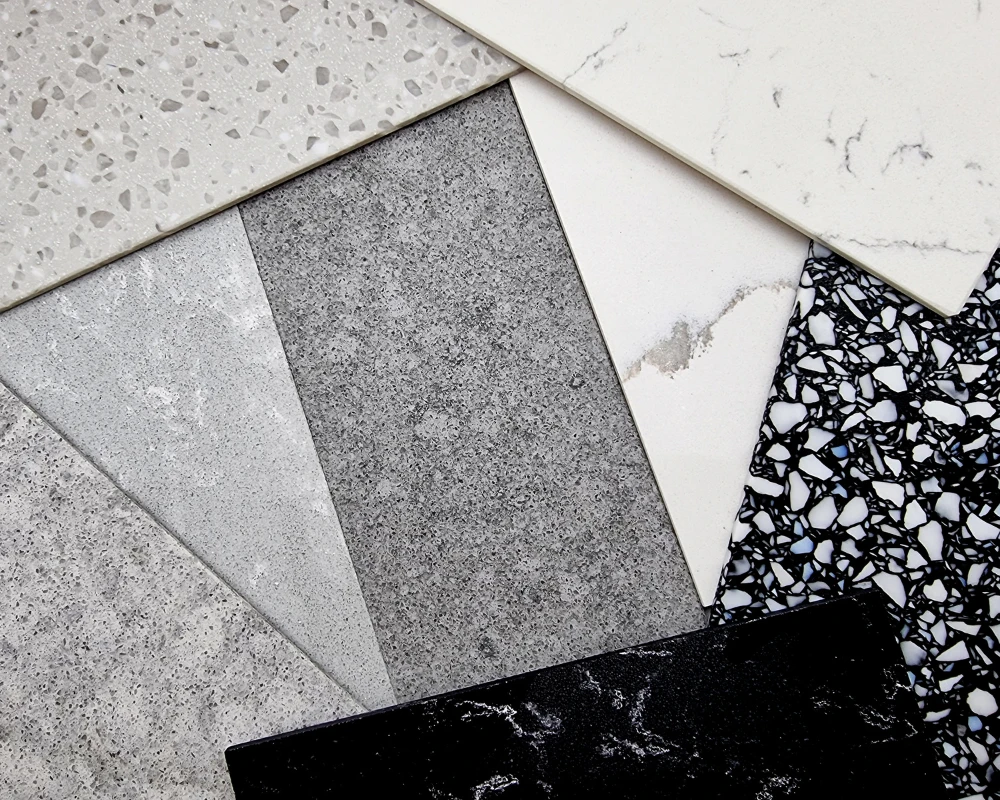
Some brands now offer quartz products made with recycled glass, mirror, or pre-consumer quartz waste, which significantly improves the material's eco-credentials. Consumers who prioritize eco-friendliness should look for quartz brands that disclose their environmental practices and use recycled content.
Quartz vs. Other Materials: How It Compares
When evaluating whether quartz is eco-friendly, it’s useful to compare it with other commonly used materials like granite, marble, laminate, and concrete. Unlike natural stone, which requires quarrying and may result in significant land disruption, engineered quartz can be made using recycled materials and requires less overall energy to fabricate in some cases. Additionally, since quartz surfaces are non-porous, they don’t require sealing with harsh chemicals, unlike granite or marble, which require regular maintenance with sealants that may contain toxins.
Laminate and solid surface materials may be cheaper, but they often contain high levels of plastics and may not be as long-lasting as quartz. This means they need to be replaced more frequently, leading to more waste over time. Concrete countertops, while popular in modern design, have a high carbon footprint due to the cement production process. In this light, quartz often emerges as a middle-ground option—durable and long-lasting, with moderate environmental impacts that can be mitigated through thoughtful sourcing and manufacturing.
Longevity and Durability: Quartz’s Eco-Advantage
One of the key features that make quartz an eco-conscious choice is its durability. A longer-lasting material means fewer replacements, which reduces the overall environmental impact over time. Quartz surfaces can last decades without significant wear and tear, unlike cheaper alternatives that may chip, crack, or warp more easily. This long lifespan directly contributes to sustainability by reducing the demand for raw materials and energy required for replacements.
Moreover, quartz is resistant to bacteria, stains, and moisture, which means homeowners don't need to use harsh chemical cleaners. This contributes to better indoor air quality and reduces the release of pollutants into the environment. In commercial spaces like hospitals or restaurants, this antimicrobial quality adds even more value from both a health and sustainability perspective.
Transportation and Installation Considerations
While the material itself may have sustainable qualities, transportation plays a critical role in the environmental impact of quartz. Engineered quartz is often manufactured in countries like China, India, or Spain and then shipped worldwide. The farther the quartz must travel, the larger its carbon footprint due to fuel consumption and emissions from transportation.
Choosing a local supplier or manufacturer can help mitigate these effects. Additionally, installation techniques can influence the sustainability profile. For instance, fabricators who use water recycling systems, dust containment measures, and low-emission adhesives contribute to a more environmentally friendly installation process.
End-of-Life and Recyclability
One of the challenges with engineered quartz is its end-of-life scenario. While quartz is durable and long-lasting, once it reaches the end of its useful life, it’s not easy to recycle due to the mixture of natural stone and synthetic resins. Unlike pure stone or wood, which can often be reused or repurposed, quartz is difficult to break down and reuse in new applications without specialized facilities.
That being said, some companies are exploring ways to recycle old quartz countertops into new slabs or construction materials. Additionally, because quartz doesn’t emit VOCs and maintains its integrity over time, even second-hand quartz surfaces can be reused in new homes or commercial spaces, thereby extending its life and reducing waste.
Certifications and Green Standards
To ensure you are choosing an eco-friendly quartz product, look for third-party certifications. Some of the most reputable ones include:
- GreenGuard Certification – Indicates that the product has low chemical emissions and contributes to healthier indoor air quality.
- NSF Certification – Ensures that the surface is safe for contact with food and doesn’t harbor bacteria.
- LEED Points – Some quartz surfaces can contribute to LEED (Leadership in Energy and Environmental Design) credits for green building projects.
- ISO 14001 – Demonstrates that the manufacturing facility has an effective environmental management system in place.
Brands that align with these certifications are more likely to follow responsible environmental practices and offer products that are safer for both humans and the planet.
How to Choose an Eco-Friendly Quartz Product
If you're in the market for quartz but want to make a sustainable choice, consider these tips:
- Look for recycled content: Some quartz surfaces incorporate recycled materials like glass, mirror, or previously used quartz fragments.
- Check for certifications: Choose products with environmental certifications mentioned above.
- Buy local when possible: Reduces the carbon footprint associated with long-distance transportation.
- Inquire about manufacturing practices: Ask manufacturers about water use, energy efficiency, and emissions controls in their plants.
- Opt for timeless designs: A neutral or classic pattern will stay in style longer, reducing the likelihood of replacing it for aesthetic reasons.
Final Verdict: Is Quartz Eco-Friendly?
The answer isn’t a simple yes or no—it depends on several factors. On one hand, quartz is durable, non-toxic, and requires minimal maintenance, making it a sustainable option over the long term. On the other hand, its manufacturing process involves energy use and synthetic resins, and its recyclability is limited compared to natural or single-material options.
When sourced responsibly and used thoughtfully, quartz can be considered a relatively eco-friendly material—especially when compared to other less durable or chemically intensive alternatives. The key to making quartz a sustainable choice lies in informed decision-making: choosing recycled content, verifying certifications, and minimizing transportation impacts.
Conclusion
Sustainability is all about making choices that minimize harm to the environment while still meeting your needs for functionality and style. While not perfect, quartz offers a balanced combination of performance, longevity, and moderate environmental impact that can align well with green living goals. With careful selection and a focus on ethical sourcing and manufacturing, quartz surfaces can be part of an eco-conscious lifestyle—bringing beauty to your space without costing the Earth.
By educating yourself and asking the right questions, you can make a more sustainable choice that aligns with both your personal values and your environmental responsibilities.




















Sign in to leave a comment.