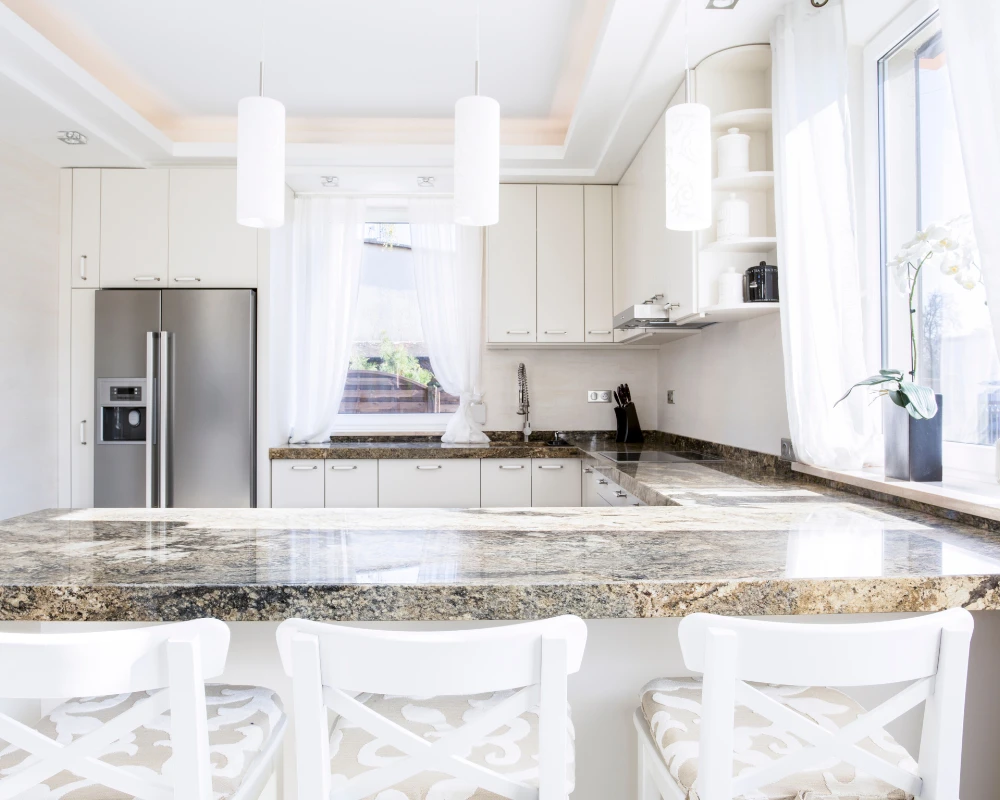

When it comes to choosing the right surface for your kitchen or bathroom countertops, two premium materials often top the list—quartz and granite. Both are known for their durability, aesthetic appeal, and luxury finish. However, despite their similarities, they differ in composition, maintenance needs, and long-term value. So, if you're remodeling or building a new home, you might be asking: Quartz worktops vs granite—what’s better for your home?
In this article, we’ll explore the advantages and disadvantages of quartz and granite, compare them across several categories, and help you decide which one suits your needs and lifestyle better. Whether you're aiming for style, practicality, or longevity, read on to discover everything you need to make an informed decision.
What Are Quartz Worktops?
Quartz worktops are engineered stone surfaces made from approximately 90–95% ground natural quartz crystals, combined with resins, polymers, and pigments. This combination results in a non-porous, highly durable surface that mimics the appearance of natural stone but with more uniformity and color control.
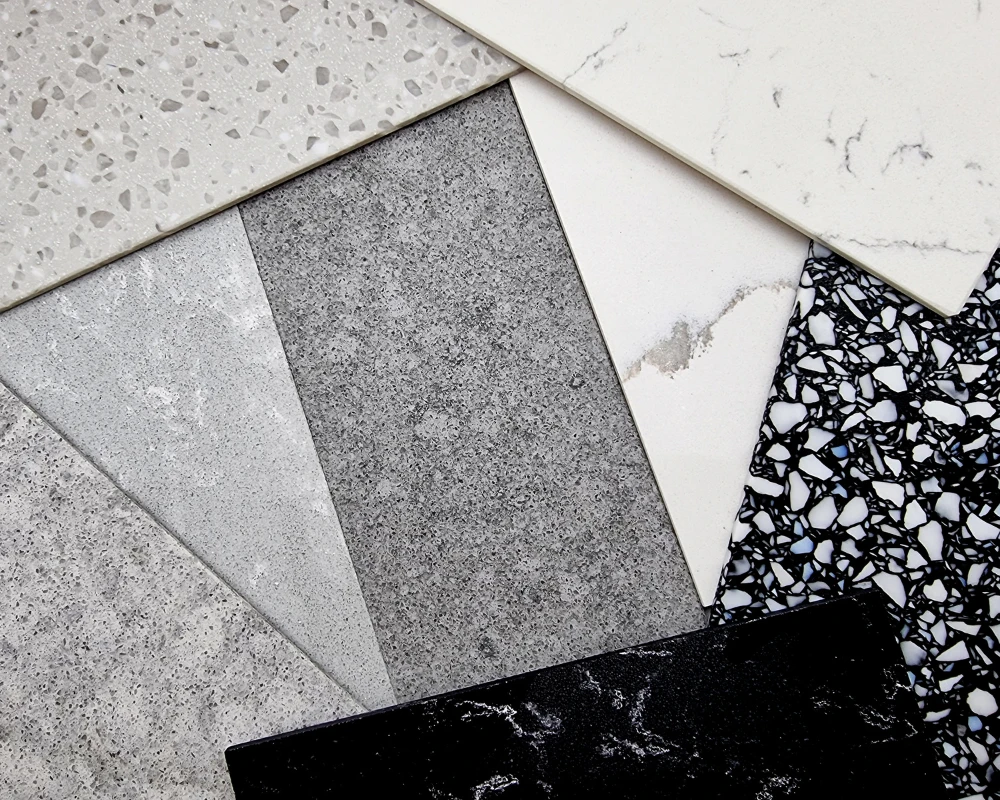
Because quartz is man-made, it's available in a wide variety of colors and styles, including options that resemble marble, concrete, or even granite itself. Many homeowners love quartz worktops for their sleek appearance, low maintenance, and resistance to staining.
What Is Granite?
Granite is a natural igneous rock formed over millions of years beneath the earth's surface. It’s composed mainly of quartz, feldspar, and other minerals, giving it a unique speckled appearance and varied patterns. Every slab of granite is different, making it a popular choice for those who want a one-of-a-kind look.
Granite is mined in large blocks, then cut into slabs and polished for use in homes. Its natural origin means it’s eco-friendly in its raw form, although the mining and transportation process does have an environmental impact.
Durability: Which One Lasts Longer?
Both quartz and granite are extremely durable, but they respond differently to stress and everyday wear and tear.
- Quartz worktops are more flexible and less prone to chipping than granite. Since they are engineered, they tend to be more uniform and are stronger under pressure.
- Granite, being all-natural, can chip or crack if struck with heavy objects, particularly around edges. However, it's still a tough material that can last for decades with proper care.
Winner: Quartz, for its extra resilience and reduced risk of damage.
Maintenance: Which Is Easier to Clean?
One of the most significant differences between the two is maintenance.
- Quartz is non-porous, which means it doesn’t absorb liquids. It’s resistant to stains, mold, and bacteria, making it an ideal surface for kitchens and bathrooms. There’s no need to seal quartz worktops, ever.
- Granite is porous, so it can absorb spills, especially oils and acids. To protect it, you’ll need to seal it regularly, usually once a year.
For busy homeowners or families, quartz offers lower maintenance and greater peace of mind.
Winner: Quartz, hands down.
Appearance: Natural vs Engineered Beauty
This is a matter of personal taste, but here are the main differences:
- Granite offers unique, natural patterns and color variations. No two granite slabs are alike, giving you a truly exclusive countertop.
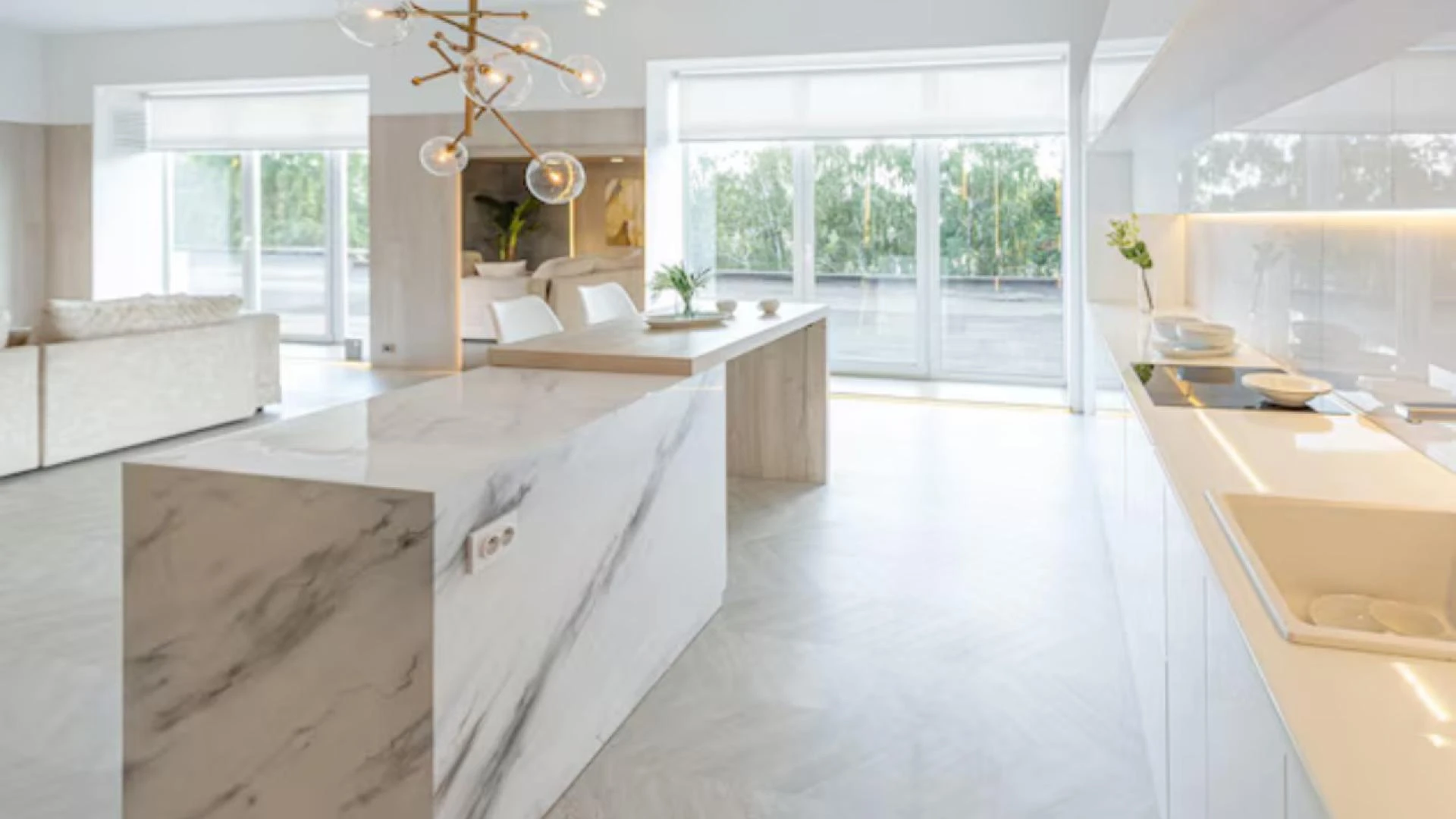
- Quartz offers more design consistency and can be tailored to match specific color schemes. If you want a clean, modern look or need to match a particular interior theme, quartz gives you more control.
Some homeowners prefer the organic, earthy look of granite, while others prefer the sleek, modern finish of quartz worktops.
Winner: Tie—depends on your aesthetic preference.
Heat Resistance: Can They Take the Heat?
- Granite is a natural stone and can handle hot pans or pots placed directly on its surface. It’s naturally heat-resistant.
- Quartz, while durable, contains resins that can discolor or warp if exposed to high heat. It’s recommended that you use trivets or hot pads when placing hot cookware on quartz.
Winner: Granite, especially for avid cooks.
Cost: Which Is More Affordable?
Pricing can vary depending on the style, color, and brand, but here’s a general comparison:
- Quartz worktops usually cost between $70 and $120 per square foot, including installation.
- Granite worktops can range from $40 to $100 per square foot, with rare or exotic granite varieties costing more.
However, keep in mind that quartz often includes a longer warranty, and you’ll save on sealing and maintenance costs in the long run.
Winner: Granite, for initial cost, but Quartz may offer better long-term value.
Eco-Friendliness: Which Is the Greener Choice?
If sustainability is important to you:
- Quartz is man-made, and some manufacturers use recycled materials, reducing its carbon footprint.
- Granite, although natural, is quarried from the earth and often transported long distances, which can increase its environmental impact.
Winner: Quartz, especially when sourced from eco-conscious manufacturers.
Installation Process: Which Is Easier to Work With?
Both materials are heavy and require professional installation, but quartz has a slight edge:
- Quartz slabs are easier to cut and shape, which can result in fewer seams and faster installation.
- Granite, being a harder natural stone, is more difficult to shape and often requires reinforced cabinetry due to its weight.
Winner: Quartz, for ease of handling during the installation process.
Resale Value: Which Adds More to Your Home’s Worth?
Both materials are considered premium options and will add value to your property. However:
- Granite has a long-standing reputation as a luxury feature and may appeal to traditional buyers.
- Quartz is increasingly preferred in modern homes and high-end developments, thanks to its durability and design flexibility.
In today’s market, quartz worktops may appeal to a broader range of buyers, especially those who prioritize low-maintenance living.
Winner: Slight edge to Quartz, due to growing demand.
Resistance to Scratches and Stains
When it comes to scratch resistance:
- Granite is very hard but can be scratched by sharp knives, especially if not sealed properly.
- Quartz is slightly softer than granite but more resistant to scratches in daily use, thanks to its uniform structure and added resins.
As for stain resistance, quartz is superior due to its non-porous nature.
Winner: Quartz, for its dual resistance to scratches and stains.
Customization Options
If you're going for a personalized kitchen or bathroom design, quartz has the upper hand.
- Quartz manufacturers offer dozens of color options, veining patterns, and surface finishes.
- Granite is limited to natural colorations and patterns that depend on what's mined and available at the time.
Winner: Quartz, especially for design-conscious homeowners.
Pros and Cons Summary
Quartz Worktops
Pros:
Non-porous and stain-resistant
Wide range of colors and designs
No sealing required
Highly durable and consistent in appearance
Cons:
Sensitive to heat
Usually more expensive than basic granite
Granite Worktops
Pros:
Natural and unique appearance
Extremely heat-resistant
Long-lasting with proper care
May cost less initially
Cons:
Requires annual sealing
Prone to staining and chipping
Limited in design choices
Conclusion: So, Which Is Better—Quartz Worktops or Granite?
Choosing between quartz worktops and granite depends on your lifestyle, design goals, and budget. If you value low maintenance, consistent design, and modern appeal, quartz worktops may be your ideal choice. They're particularly well-suited for busy households, modern kitchens, and bathrooms where hygiene and ease of care are top priorities.
On the other hand, if you love the natural look, appreciate unique stone patterns, and often cook with high heat, granite might be the right pick for your home.
Ultimately, both materials offer excellent long-term value and durability. Whichever you choose, you’ll be investing in a surface that enhances the beauty, functionality, and resale value of your space.

























Sign in to leave a comment.