In recent years, solar energy has emerged as a promising alternative to traditional fossil fuels. However, there is still some skepticism about its economic viability. Let's explore the facts and debunk the myths surrounding the cost-effectiveness of solar energy.
Initial Investment vs. Long-Term Savings:
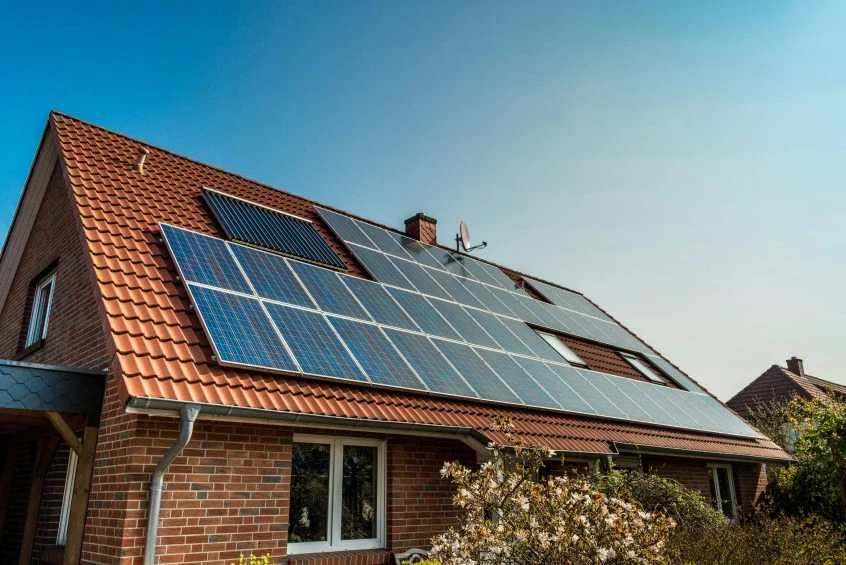
While installing a solar energy system requires a significant initial investment, the long-term savings can be substantial. Solar panels have a lifespan of 25 years or more, and the savings on electricity bills can offset the initial cost over time.
Government Incentives:
Many governments offer incentives such as tax credits, rebates, and feed-in tariffs to encourage the adoption of solar energy. These incentives can significantly reduce the upfront cost of installing a solar system, making it more economically viable for homeowners and businesses.
Falling Costs:
The cost of solar panels has been steadily declining over the past decade, making solar energy more affordable than ever before. This trend is expected to continue, further improving the economic viability of solar energy.
Energy Independence:
By generating their own electricity, solar panel owners can reduce their dependence on the grid and protect themselves against rising electricity prices. This energy independence can lead to additional cost savings over time.
Environmental Benefits:
In addition to the economic advantages, solar energy also offers significant environmental benefits. By reducing reliance on fossil fuels, solar energy helps to reduce greenhouse gas emissions and combat climate change.
In conclusion, solar energy is not only economically viable but also a smart investment for the future. With falling costs, government incentives, and long-term savings, solar energy offers a sustainable and cost-effective solution to our solar energy needs.


























Sign in to leave a comment.