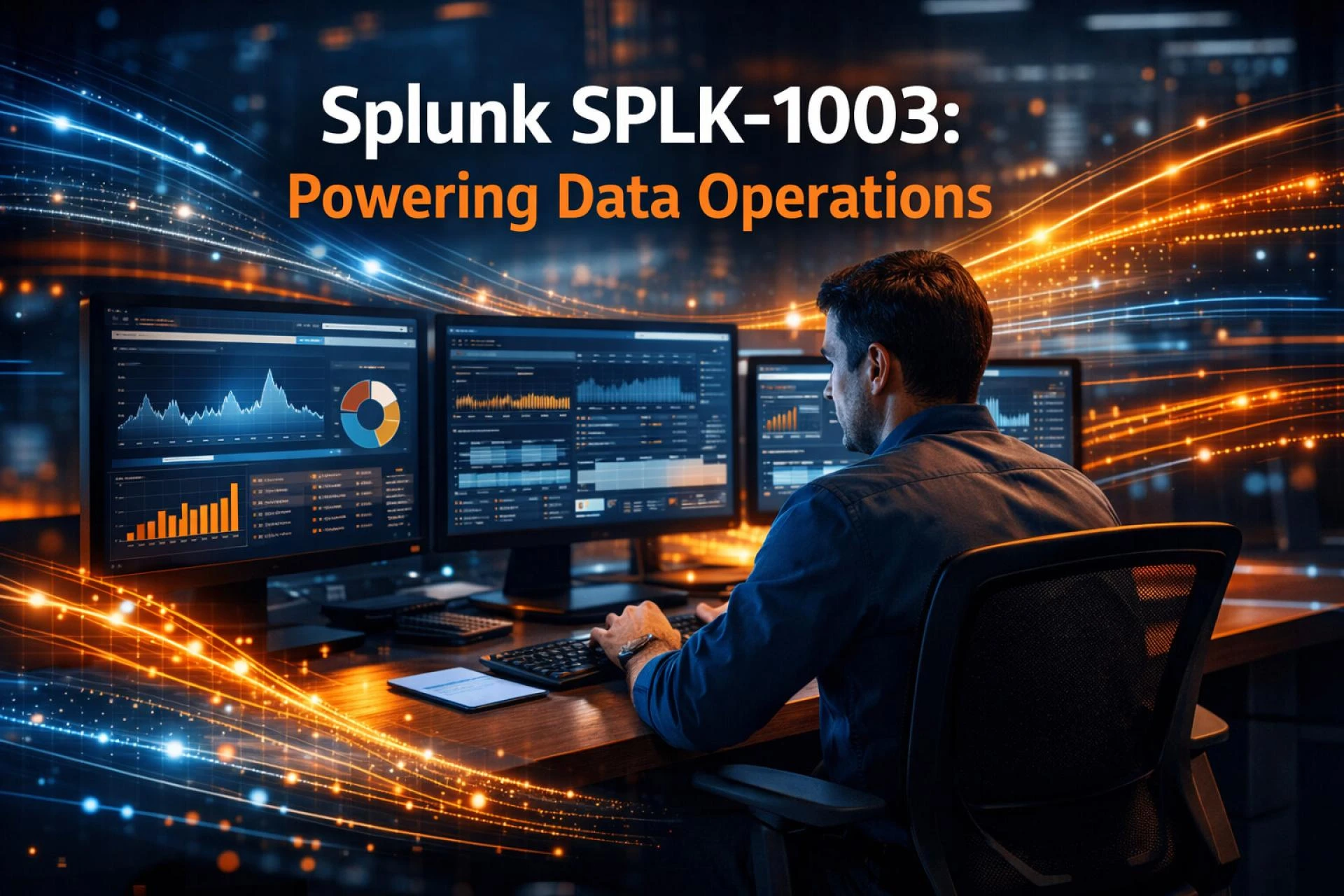

In the dynamic landscape of data-driven enterprises, the ability to manage, secure, and optimize Splunk environments stands as a critical skill. Pursuing the Splunk Enterprise Certified Admin certification validates your expertise in this essential platform, marking you as a professional capable of transforming raw data into actionable insights. This credential goes beyond theoretical knowledge, proving your practical command over Splunk's core functionalities and administration, positioning you at the forefront of operational intelligence and cybersecurity.
Elevating Your Data Operations with Splunk Expertise
Achieving the Splunk Enterprise Certified Administrator certification signifies a deep understanding of how to maintain a robust and efficient Splunk deployment. This level of expertise ensures that organizations can reliably ingest, index, and analyze their vast streams of machine data, crucial for everything from security monitoring to IT operations and business analytics. Certified professionals are pivotal in maximizing Splunk's potential, ensuring data integrity and accessibility across the enterprise.
- Validation of Core Skills: The certification officially recognizes your proficiency in Splunk administration, covering everything from data input to user management.
- Enhanced Career Trajectory: It opens doors to advanced roles such as Splunk Administrator, Security Analyst, or IT Operations Specialist, often with increased earning potential.
- Industry Recognition: Splunk certifications are highly respected within the IT and cybersecurity industries, signaling a commitment to professional development and technical excellence.
- Optimized System Performance: Certified administrators possess the knowledge to fine-tune Splunk deployments, leading to more efficient data processing and faster query responses.
Evaluating the Splunk Enterprise Certified Admin Exam
The Splunk Enterprise Certified Administrator exam, coded as SPLK-1003, is designed to assess a candidate's fundamental knowledge and skills in managing a Splunk Enterprise environment. It serves as a benchmark for professionals who aspire to effectively deploy, manage, and troubleshoot Splunk instances, ensuring they meet the technical demands of data-intensive roles.
- Exam Name: Splunk Enterprise Certified Administrator
- Exam Code: SPLK-1003
- Exam Price: $130 (USD)
- Duration: 60 minutes
- Number of Questions: 56
- Passing Score: 700 / 1000
This exam structure ensures a comprehensive evaluation of your administrative capabilities, covering a broad spectrum of Splunk functionalities that are critical for day-to-day operations and strategic data management. Candidates should approach this assessment with a clear understanding of each domain's weightage to tailor their study efforts effectively.
Commanding the Core Administration Skills: A Syllabus Overview
The SPLK-1003 exam thoroughly covers the essential aspects of Splunk Enterprise administration, ensuring candidates are well-versed in the practical tasks required to manage a Splunk deployment. Each section contributes to a holistic understanding of the platform's operational backbone, from initial setup to advanced data manipulation.
Foundational Splunk Concepts
- Splunk Admin Basics - 5%: Understanding the fundamental components and architecture of a Splunk deployment, including indexes, forwarders, search heads, and indexers.
- License Management - 5%: Administering Splunk licenses, monitoring usage, and ensuring compliance with licensing agreements to maintain operational continuity.
- Splunk Configuration Files - 5%: Navigating and modifying Splunk's configuration files (e.g., inputs.conf, outputs.conf, server.conf) to customize behavior and optimize performance.
Data Indexing and User Control
- Splunk Indexes - 10%: Creating, managing, and optimizing Splunk indexes for efficient data storage and retrieval, including retention policies and data archiving.
- Splunk User Management - 5%: Administering users, roles, and capabilities within Splunk, defining access controls and permissions to secure data and features.
- Splunk Authentication Management - 5%: Configuring and managing authentication methods, including integration with external authentication systems like LDAP or Active Directory.
Data Ingestion and Forwarding
- Getting Data In - 5%: An introduction to various methods of ingesting data into Splunk, understanding the data flow from source to index.
- Distributed Search - 10%: Configuring and managing distributed search environments, including search head clustering and indexer clustering for scalability and high availability.
- Getting Data In - Staging - 5%: Understanding the data staging process, including parsing, transforming, and filtering data before it's indexed.
- Configuring Forwarders - 5%: Setting up and configuring universal and heavy forwarders to collect data from various sources and send it to indexers.
- Forwarder Management - 10%: Monitoring and managing forwarder deployments, ensuring data integrity and reliable data transfer across the Splunk environment.
Input Configuration and Data Manipulation
- Monitor Inputs - 5%: Configuring inputs to monitor files and directories for new data, ensuring real-time ingestion.
- Network and Scripted Inputs - 5%: Implementing network inputs (e.g., TCP, UDP) and scripted inputs to gather data from diverse sources and applications.
- Agentless Inputs - 5%: Exploring methods for ingesting data without requiring a Splunk agent on the source system, such as using HTTP Event Collector (HEC).
- Fine Tuning Inputs - 5%: Optimizing input configurations for performance, resource utilization, and data quality, managing data source types and sourcetypes.
- Parsing Phase and Data - 5%: Deep diving into the parsing pipeline, including segmenting, transforming, and extracting fields from raw event data.
- Manipulating Raw Data - 5%: Utilizing various techniques to modify and enhance raw data during ingestion, ensuring data is properly formatted and enriched for analysis.
Strategizing Your Path to Certification Success
Effective preparation for the Splunk Enterprise Certified Admin exam requires a structured approach that combines official training, hands-on practice, and consistent review. A well-rounded study plan not only helps you pass the exam but also solidifies your practical skills, making you a more effective Splunk administrator in real-world scenarios.
Essential Preparation Resources
- Official Splunk Training: Enrolling in Splunk's official training courses, such as "Splunk Enterprise System Administration" and "Splunk Enterprise Data Administration," provides comprehensive coverage of exam objectives. These courses offer structured learning paths directly from the vendor. For official training details, visit Splunk's certification page.
- Study Guides and Documentation: Leverage official Splunk documentation and community-driven study guides. The Splunk Test Blueprint provides an invaluable overview of the exam content and weighting.
- Hands-on Labs: Practical experience is paramount. Set up a personal Splunk instance or utilize lab environments to practice data ingestion, configuration file modifications, and user management tasks.
- Practice Exams: Regularly taking practice exams helps you become familiar with the question format, time constraints, and identifies areas needing further study. Platforms like Certfun for SPLK-1003 practice exams can be a valuable resource for gauging readiness.
- Community Engagement: Participate in Splunk community forums, user groups, and online discussions. Resources such as Splunking with Praveen on YouTube can offer additional insights and practical demonstrations.
It's crucial to discourage the use of "exam dumps" as they provide unreliable, often outdated information and do not contribute to genuine skill development. Focus on mastering the concepts through ethical study methods to build a strong foundation for your career.
Achieving Mastery in Splunk Data Management
The journey to becoming a Splunk Enterprise Certified Admin involves more than just passing an exam; it's about developing a robust skill set for managing and optimizing critical data infrastructures. Mastering Splunk's capabilities enables administrators to ensure continuous data flow, maintain system health, and secure valuable organizational assets. This mastery translates into tangible benefits for any enterprise relying on operational intelligence.
Key Administrative Responsibilities
- Data Ingestion Optimization: Ensuring that all relevant data sources are efficiently connected and correctly configured to flow into Splunk, handling various input types from files to network streams.
- Performance Monitoring and Tuning: Regularly monitoring Splunk's performance, optimizing indexers and search heads, and troubleshooting issues to maintain system health and responsiveness.
- Security and Access Control: Implementing and enforcing robust security measures, including role-based access control, user authentication, and data privacy protocols to protect sensitive information.
- Configuration Management: Effectively managing Splunk configuration files across distributed environments, ensuring consistency and preventing conflicts that could disrupt operations.
- Distributed Environment Oversight: Overseeing complex Splunk deployments, including indexer and search head clusters, ensuring high availability and scalability for enterprise-level data processing.
- Alerting and Troubleshooting: Setting up proactive alerts for system anomalies or security threats, and possessing the skills to quickly diagnose and resolve operational issues within the Splunk environment.
These responsibilities highlight the comprehensive skill set validated by the SPLK-1003 certification, making certified professionals indispensable assets in any modern data ecosystem.
Propelling Your Career with Splunk Expertise
A Splunk Enterprise Certified Admin certification is a powerful accelerator for career growth in the fast-evolving fields of IT operations, security, and data analytics. Employers actively seek individuals who can demonstrate a proven ability to manage and optimize Splunk, recognizing the direct impact on business intelligence and operational efficiency. This credential translates into increased opportunities and greater influence within an organization.
Career Pathways and Opportunities
- Splunk Administrator: Directly responsible for the day-to-day operation, maintenance, and health of Splunk deployments, ensuring optimal performance and data availability.
- Security Analyst: Utilizing Splunk's security features for threat detection, incident response, and compliance monitoring, a critical role in protecting organizational assets.
- IT Operations Engineer: Leveraging Splunk to monitor IT infrastructure, troubleshoot performance issues, and optimize resource allocation for improved system reliability.
- Data Engineer/Architect: Designing and implementing scalable data ingestion pipelines and Splunk architectures to support advanced analytics and reporting requirements.
- Consultant: Providing expert guidance to clients on Splunk best practices, deployment strategies, and custom solution development to meet specific business needs.
The certification enhances your visibility in the job market, often leading to roles with higher salaries and more complex, rewarding responsibilities. It demonstrates a forward-thinking approach to professional development, aligning your skills with industry-leading technology.
Sustaining Your Certification Edge through Continuous Learning
The value of a Splunk Enterprise Certified Admin certification extends beyond its initial attainment; it encourages a commitment to continuous learning and adaptation within the ever-evolving Splunk ecosystem. As Splunk introduces new features and functionalities, staying updated ensures your expertise remains relevant and impactful. This ongoing professional development is key to maintaining a competitive edge and maximizing your career potential.
Regular engagement with Splunk's documentation, community resources, and advanced training modules helps certified professionals to deepen their knowledge and expand their capabilities. Platforms like Pearson VUE, where the exam is administered, also provide resources for maintaining certifications. Earning this badge, which can be viewed on Credly, is a recognition of expertise and a step towards further specialization.
Embarking on the journey to become a Splunk Enterprise Certified Admin is a strategic investment in your professional future. This certification not only validates your technical prowess in managing a vital data platform but also positions you as an indispensable asset in the data-driven world. Your ability to transform raw data into critical intelligence will drive operational efficiency and security within any organization.
Ready to unlock your full potential and solidify your place as a leading Splunk expert? Start your dedicated preparation today and elevate your career to new heights. For more insights and resources on navigating your certification journey, explore the articles written by our expert, Sienna Faleiro, to guide your success.
Frequently Asked Questions
1. What is the primary benefit of the Splunk Enterprise Certified Admin certification?
The primary benefit is validating your expertise in managing and optimizing Splunk Enterprise environments, which enhances career opportunities, increases earning potential, and provides industry recognition as a skilled data administrator.
2. What knowledge areas does the SPLK-1003 exam cover?
The SPLK-1003 exam covers crucial areas such as Splunk administration basics, license management, configuration files, indexes, user and authentication management, various data ingestion methods, forwarder configuration, distributed search, and data manipulation techniques.
3. How much does the Splunk Enterprise Certified Administrator exam cost?
The Splunk Enterprise Certified Administrator (SPLK-1003) exam costs $130 USD.
4. What are the recommended preparation methods for the Splunk Enterprise Certified Admin exam?
Recommended preparation includes official Splunk training courses, studying official documentation and test blueprints, gaining hands-on experience with Splunk labs, and utilizing practice exams to assess readiness and identify knowledge gaps.
5. What career roles can I pursue with a Splunk Enterprise Certified Admin certification?
With this certification, you can pursue roles such as Splunk Administrator, Security Analyst, IT Operations Engineer, Data Engineer/Architect, or a Splunk Consultant, leveraging your expertise in data management and operational intelligence.




























Sign in to leave a comment.