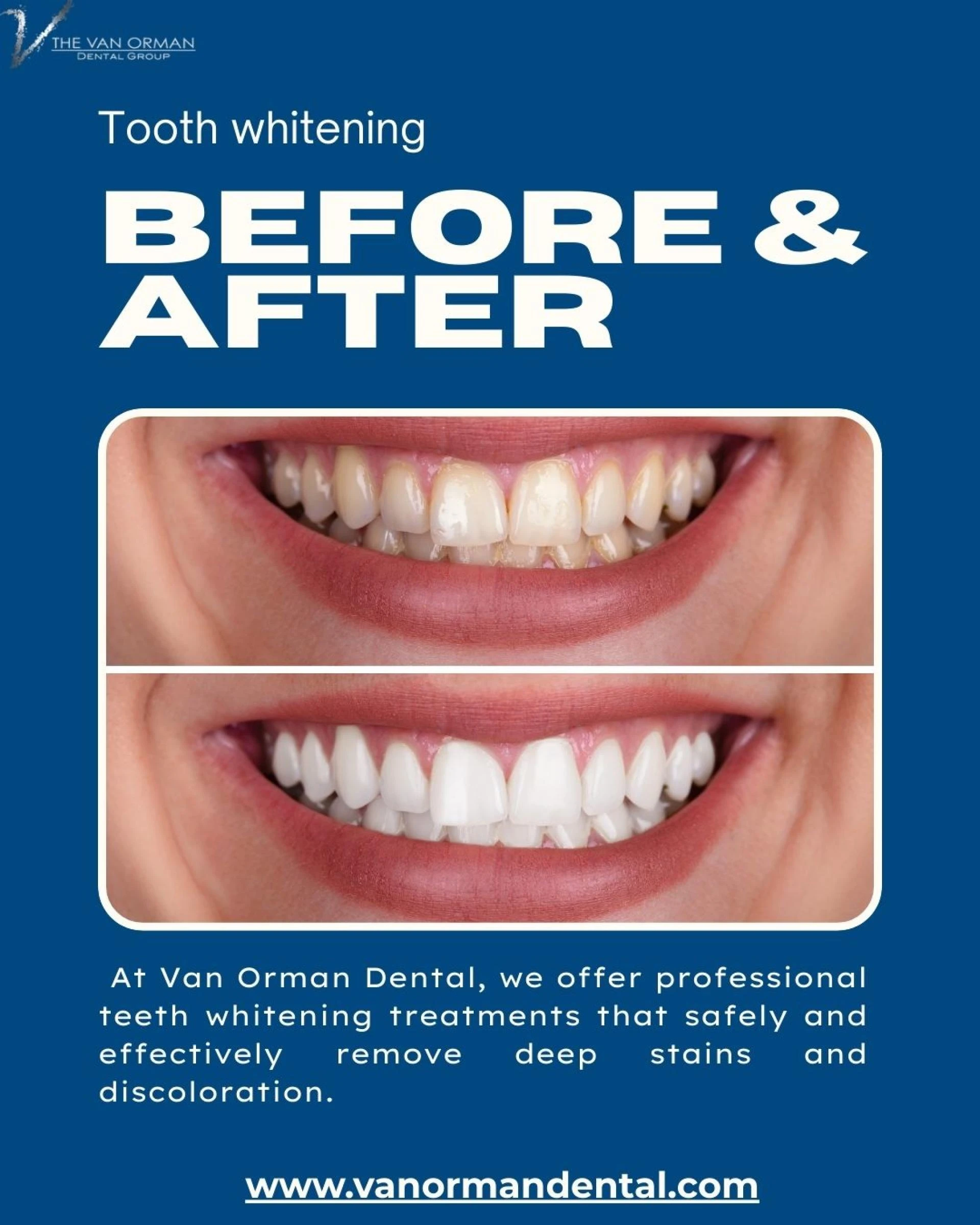

Teeth whitening is the right choice if your goal is to brighten discolored teeth and you have healthy gums and teeth, but it may not be suitable for everyone, especially those with sensitive teeth, gum disease, or dental restorations on their front teeth. To determine if it's appropriate for you, consult a dentist to assess your oral health, discuss realistic results and potential side effects like tooth sensitivity, and explore available options.
Why Teeth Lose Their Brightness
There are several reasons why teeth become stained or discolored:
1. Diet: Dark-colored drinks like coffee, tea, red wine, and sodas leave surface stains.
2. Lifestyle habits: Tobacco use is a major cause of yellowing and stubborn stains.
3. Aging: As enamel thins with age, the yellow dentin underneath becomes more visible.
4. Medications: Certain antibiotics or treatments can cause deep, internal discoloration.
5. Poor oral hygiene: Inadequate brushing and flossing allow plaque and stain buildup.
Understanding the source of your discoloration is the first step to knowing if whitening will
be effective.
Consider Teeth Whitening If:
1. You want to brighten stained or discolored teeth:
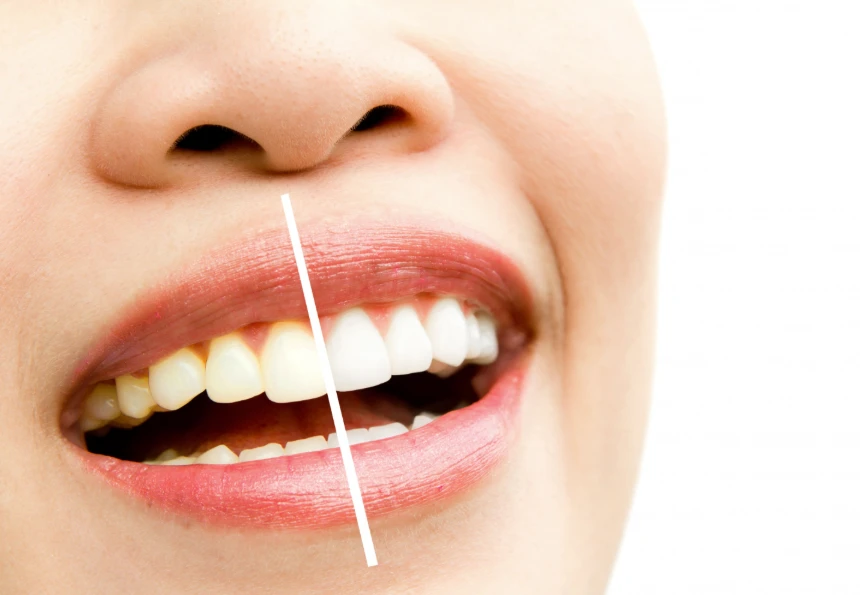
Whitening treatments are effective for teeth that have darkened due to aging, staining from drinks like coffee and wine, or smoking.
2. You have healthy teeth and gums:
A professional cleaning can often improve gum health, and a dentist can determine if your gums are healthy enough for bleaching treatments.
If You Have:
1. Gum disease: The chemicals in bleaching products can irritate already sensitive gums.
2. Dental restorations: Tooth-colored fillings, crowns, and veneers will not whiten along with your natural teeth.
3. Misaligned or crowded teeth: Whitening may not reach all areas, leading to uneven results.
Steps to Take Before Deciding:
1. See your dentist:
A professional can determine the type and extent of staining, check your oral health, and recommend the most suitable and safe whitening options for you.
2. Discuss realistic results:
Ask your dentist for a realistic idea of the results you can expect, as outcomes vary from person to person.
3. Understand the risks:
Be informed about potential side effects such as tooth sensitivity and gum irritation. Your dentist can advise on how to manage these and minimize risks.
Consider Alternatives:
1. Professional cleaning:
Even if you can't get a professional bleaching treatment, a regular dental cleaning can improve the appearance of your teeth.
2.Professional treatment options:
A dentist can still improve the overall appearance of your smile, even if professional whitening isn't a good option for you.
Final Thoughts
A whiter smile can make you look and feel your best, but safety and suitability matter most. With guidance from Van Orman Dental, you can choose a treatment that enhances your smile while protecting your teeth and gums.




























Sign in to leave a comment.