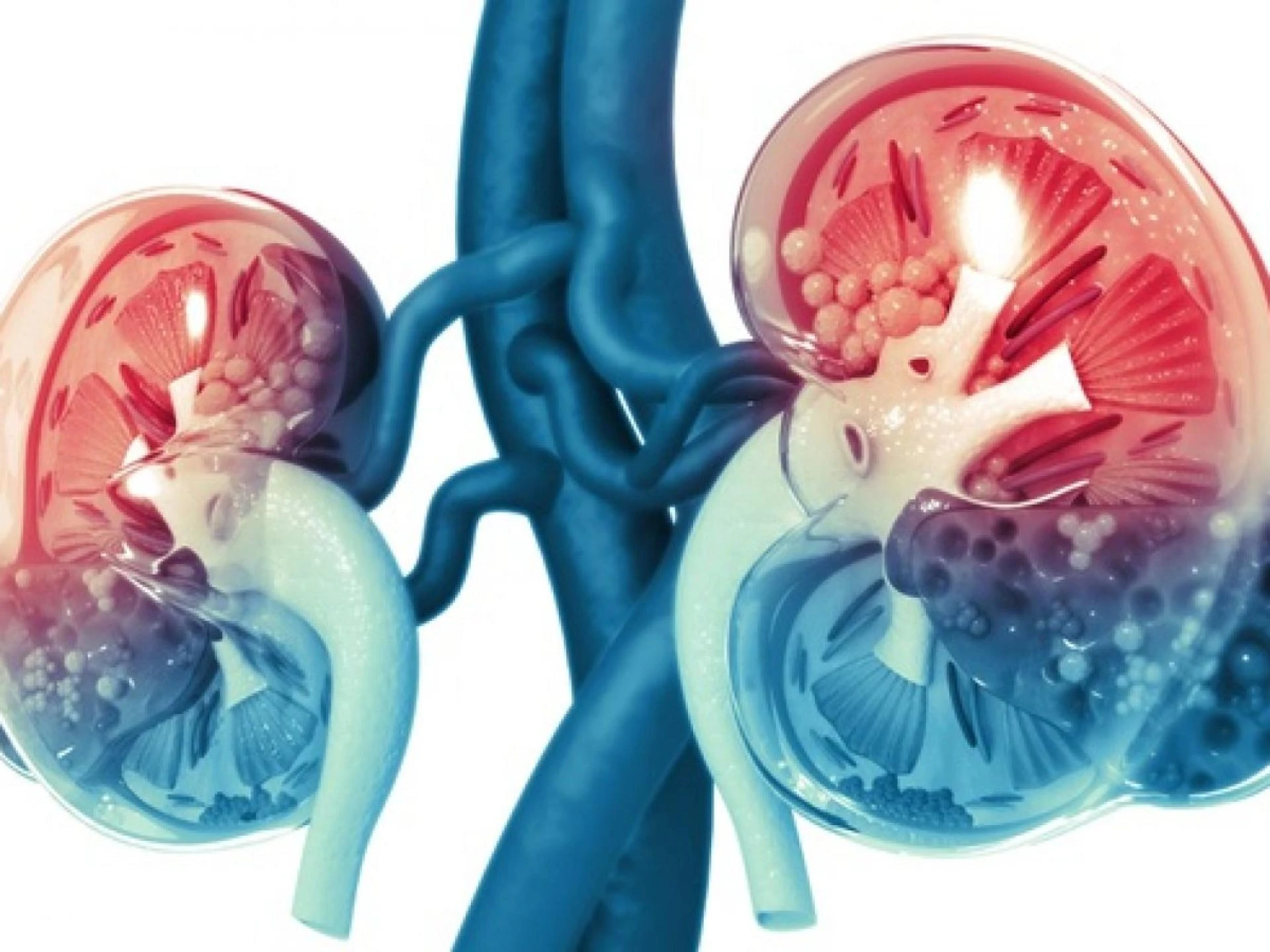

First-of-all you must know what proteinuria is!
What Is Proteinuria?
Proteinuria is a high level of protein that is present in your pee. This condition can also be a symptom of kidney damage.
Proteins have a lot of important functions, that includes:
Building of bones and musclesRegulating the amount of fluid that is present in your bloodRepairing damaged tissuesFighting off the infectionsProteins should remain in your blood. If the protein enters your pee, they will eventually leave your body, which can harm your health.
Is Proteinuria Really A Serious Problem?
Yes, proteinuria is a very serious disease. Proteinuria may also increase risks to your life from cardiovascular or heart disease.
Sometimes, proteinuria is the starting symptom of CKD (Chronic Kidney Disease), although you can also have CKD and have normal protein levels in your urine. CKD is a moderate loss of kidney functions, which may require a kidney transplant treatment, kidney replacement, or dialysis. High blood pressure and diabetes can damage your one or both kidneys. They are the two most common causes of proteinuria.
Who Can Get Affected By Proteinuria?
Anyone can get affected by Proteinuria. Moreover, you may be more likely to get proteinuria if you are:
Age more than 65 years oldFamily history who has or had kidney diseaseHave any condition like diabetes that will affect your kidneysHispanic, black, Pacific Islander, or Native AmericanHow Much Common Is Proteinuria?
Proteinuria is very common around the globe. About 6.7% of the US population is suffering from proteinuria.
What Happens To A Person Suffering Proteinuria?
Protein gets to your pee if your kidneys are not functioning correctly.
Glomeruli are a group of small blood vessels present in your kidneys. They perform the first stage of filtering out water and waste products from your blood. The excess water and waste product leave your body through your urine. It also does not allow the traveling of blood cells or large proteins into your urine. If smaller proteins sneak through your glomeruli, then thin, long tubes in your kidneys may recover the proteins and keep them in your body.
Proteins can also flow into your urine if there are:
A problem with the retribution process of your protein.Damage to your tubules or glomeruliWhat Are The Symptoms Of Proteinuria?
You may not have any signs or symptoms in proteinuria’s early stages. In proteinuria’s advanced stages, symptoms may be:
Swollen face, feet, ankles, or bellyMore persistent urinationShortness of breathExhaustion Vomiting and Nausea Lackness in your appetiteCramping of muscle at nightSwelling around your eyes, especially in the morningFoamy or fizzy urineThe symptoms mentioned above are also the symptoms of chronic kidney disease. Suppose you have all these symptoms, especially fizzy pee, and swelling. You should contact your doctor immediately and get ayurvedic treatment for protein loss in urine.
What Are The Causes Of Proteinuria?
In numerous cases, relatively temporary or noncancerous medical conditions can cause proteinuria. These conditions will include the following:
InflammationDehydrationKidney StonesHypotension/Low Blood PressureIntense workouts, stress, exposure to cold temperatures, and taking aspirin each day can also trigger proteinuria.
More serious medical conditions can also damage your kidneys and can become a cause of proteinuria. These conditions may include the following:
Specific immune disorders include Goodpasture’s and lupus syndrome. Critical kidney inflammations Multiple myelomaDestructive blood cells, which can cause haemoglobin to release into your bloodCardiovascular diseasePoisoningTraumaKidney cancerCongestive heart failureWhat Is The Concerning Level Of Proteinuria?
The precise amount of protein should be less than 150 mg per day. If you have more than 150 mg of protein in your urine every day, then you have proteinuria. The upper limit of normal protein can vary a bit between the laboratories.
If you have nearly between 3 to 3.5 grams of protein in your urine every day, then you have nephrotic range proteinuria. Nephrotic Syndrome is a relatively rare condition that causes one or both kidneys to release the excessive protein in your urine.
How much is Proteinuria Contagious?
No, proteinuria is not contagious. Moreover, you may be more likely to develop proteinuria if other members of your family have it.
How Can You Diagnose Proteinuria?
Your healthcare provider will use a dipstick test to help in diagnosing proteinuria. During a dipstick test, you will pee into a particular container at your healthcare provider’s clinic or hospital. Then, your doctor will place a thin plastic stick coated with a dipstick into your container. If too much protein is in your urine, the dipstick changes color.
Your healthcare provider will conduct a urine test on the rest of your urine. A urine test examines your urine’s chemical, microscopic aspects, and visuals under a microscope. Your doctor will look for things that do not belong to your urine. These substances include white blood cells, red blood cells, salt or protein crystals, and bacteria that can develop into kidney stones.
What Happens When Kidney Disease Or Any Other Medical Condition Is Suspected?
If your doctor or healthcare provider suspects you have kidney disease, you will repeat a urine test at least thrice in three months. If your urine sample tests are favorable for the presence of proteins each time, you are more likely to get a stable disease. The earlier you get the diagnosis, the greater the chance your doctor can start ayurvedic treatment for loss of protein in urine and stop it from progressing.
Some additional tests are:
Creatinine clearance testGlomerular filtration rate (GFR) blood testBlood tests to measure protein in serumImaging testImmunofixation blood testUrine protein electrophoresis (UPEP)Kidney biopsyWhat is the protein in urine ayurvedic treatment?
Protein loss in urine treatment in ayurveda depends on its cause. Each cause requires different ayurvedic medicine.
If kidney disease causes proteinuria, your treatment plan may include diet, exercise, changes, and medications. Your doctor may also prescribe blood pressure medication if you have a high blood pressure level. If you have a low blood pressure level, you should also schedule annual blood pressure and urine tests.
If you have diabetes, you may need to manage your sugar. You should also receive a GFR test every year.
Pregnant people with a history of preeclampsia should schedule regular body checkups with their doctor. Though preeclampsia is a severe condition, it typically goes away within a few weeks after the birth of your baby.
Suppose you have proteinuria but do not have high blood pressure, diabetes, or any other medical condition. In that case, your doctor may prescribe medications for high blood pressure to help prevent kidney damage. It is a good sign that you have your blood pressure checked and urine tested every six months to ensure that you do not have kidney disease.
If you have mild or temporary proteinuria, you may not need ayurveda treatment for fixing proteinuria.
How To Reduce Protein in Urine By Ayurveda?
There are a lot of reasons affecting protein in your urine, including diabetes, obesity, and hypertension. Protein found in your pee can be a symptom of an impending kidney problem or an existing kidney condition, so that early treatment can help your kidneys.
Here are some of the natural home remedies that can help in treating proteinuria:
Consuming more fishRestricting your intake of saltAvoiding soda and adding more water to your dietConsuming more of vegetables, fruits, and whole grainsExercising regularly Minimizing your alcoholic beverageReducing your stress levelsMaintaining a healthy weight Add garlic and onions to your diet



























Sign in to leave a comment.