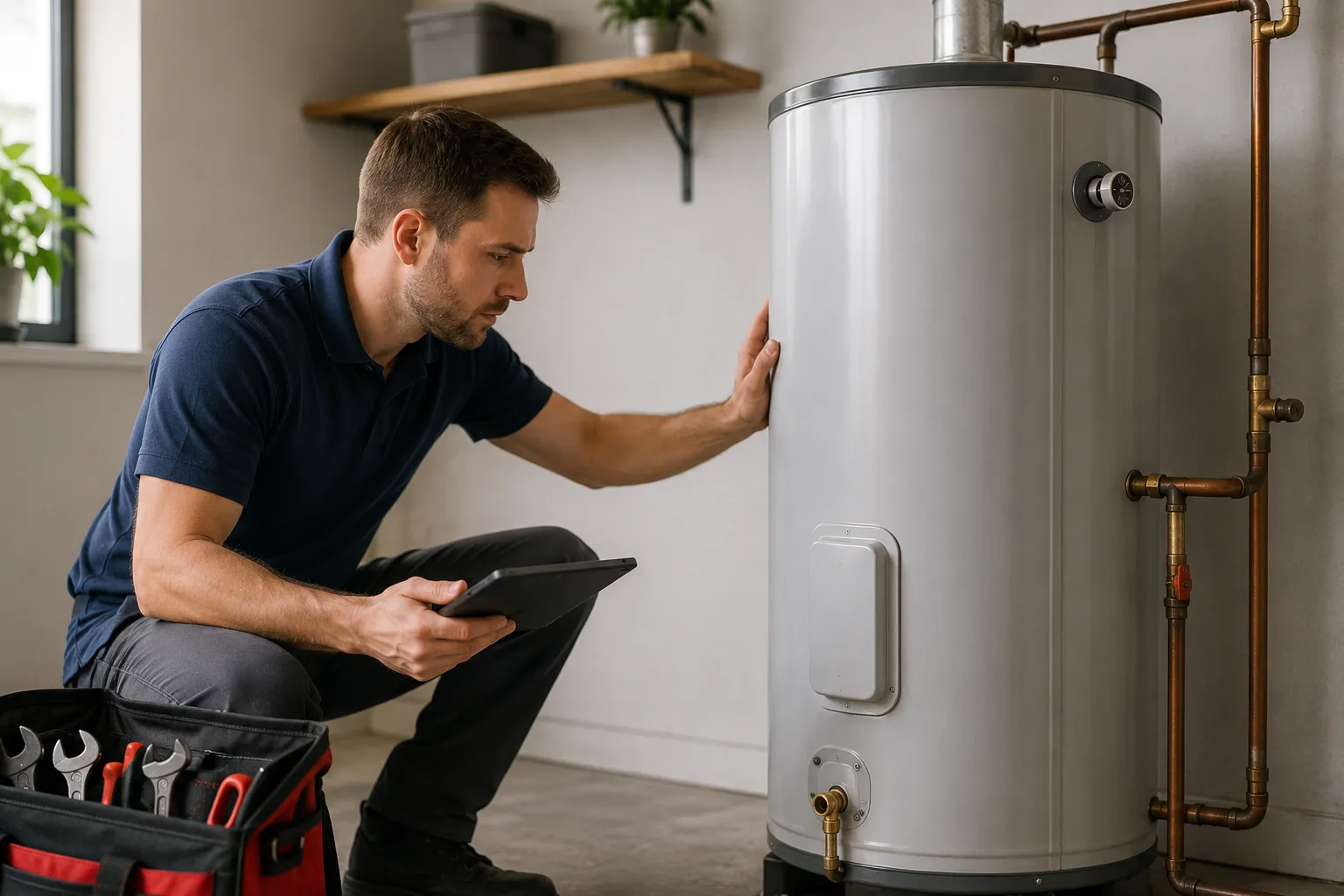

There are few things more jarring than stepping into the shower expecting a warm, relaxing start to your morning — only to be hit with a blast of cold water. If that sounds familiar, your hot water system might be trying to tell you something important.
Most homeowners don't think about their hot water system until it completely stops working. But like any hardworking appliance, it gives warning signs long before it fails entirely. Catching those signs early can save you from unexpected cold showers, costly water damage, and emergency call-out fees.
In this article, we'll walk you through the 6 most common signs that your hot water system is nearing the end of its life — and what you can do about it before things go wrong.
Why Hot Water Systems Don't Last Forever
A quality hot water system is built to last, but it's not built to last forever. Most systems have a lifespan of around 8 to 12 years, depending on the type, brand, usage, and how well it's been maintained over the years.
The problem is that many homeowners only discover their system has failed when they're standing in a cold shower or — worse — when they find a puddle of water spreading across their floor. At that point, you're dealing with an emergency rather than a planned replacement, which almost always costs more and causes more disruption.
Being proactive is always the smarter move. So let's look at what to watch out for.
Sign #1: You're Running Out of Hot Water Faster Than Usual
If you've noticed that your hot water runs out quicker than it used to — halfway through a shower, or before everyone in the household has had their turn — this is one of the earliest red flags.
Over time, sediment builds up inside the tank. This mineral buildup (particularly calcium and magnesium from hard water) takes up space and forces your system to work harder to heat less water. The result? You get less hot water, and it takes longer to recover between uses.
This isn't always a death sentence for your system — in some cases, a flush or service can fix it. But if the problem keeps coming back, it's a strong signal that the system is past its best.
Sign #2: Your Water Isn't as Hot as It Should Be
There's a difference between running out of hot water and water that simply never gets hot enough. If your taps are consistently delivering lukewarm water even when your system is set to a higher temperature, something is wrong internally.
This can be caused by a failing thermostat, a deteriorating heating element (in electric systems), or a faulty burner (in gas systems). While some of these issues can be repaired, if your system is already older, repair costs can quickly add up to the point where replacement makes more financial sense.
A licensed plumber can assess whether a repair will genuinely extend the life of your system or whether you'd be throwing money at a unit that's already on its way out.
Sign #3: You Notice Rusty or Discoloured Water
Clean hot water should be clear. If you're seeing a reddish, brown, or yellowish tinge coming from your hot taps, that's a serious warning sign — and one you shouldn't ignore.
Discoloured water usually means one of two things: either the inside of your tank is corroding, or the sacrificial anode rod (a component designed to protect the tank from rust) has worn out completely and is no longer doing its job.
Once the interior of a tank begins to rust, it won't be long before you start seeing leaks — or worse, the tank fails entirely. Discoloured water is also a health concern, so it's worth getting a professional assessment as soon as possible. The team at Black & White Plumbing can help you identify the problem quickly and recommend the right solution.
Sign #4: You Hear Strange Noises Coming From the Tank
A hot water system shouldn't be the noisiest appliance in your home. If you start hearing rumbling, banging, popping, or crackling sounds coming from the unit — especially when it's heating up — take note.
These sounds are typically caused by hardened sediment at the bottom of the tank being agitated as the water heats. Over time, this sediment layer becomes thicker and more compacted, forcing the system to work harder and less efficiently. The extra strain accelerates wear and tear on the tank.
Occasional minor sounds might be nothing to worry about, but loud or frequent noises are a sign that your system is under stress and may not have much life left in it.
Sign #5: You Can See Moisture, Pooling Water, or Rust Around the Unit
This one is straightforward — if you can see water around the base of your hot water system, or visible rust and corrosion on the exterior of the tank, something is wrong.
Small leaks can start as tiny fractures or loose fittings, but they rarely stay small. Water damage can spread quickly, affecting flooring, walls, and cabinetry — turning what might have been a simple replacement into a far more expensive repair job.
Don't dismiss a small puddle as a minor issue. Have it inspected promptly. In many cases, catching a leak early can still give you time to plan a replacement properly rather than scrambling during an emergency.
Sign #6: Your System Is More Than 10 Years Old
Even if your hot water system seems to be running fine, age alone is a valid reason to start planning for a replacement — especially if it's pushing past the 10-year mark.
Older systems are simply less efficient than modern ones. Advances in technology mean today's hot water systems heat water faster, use less energy, and are far more reliable than units made a decade ago. An ageing system may be costing you more on your energy bills than you realise, even if it hasn't broken down yet.
Knowing the age of your system is important. If you're not sure, a plumber can help you identify the unit and give you an honest assessment of how much life it likely has left.
What Should You Do If You Notice These Signs?
If one or more of these signs sound familiar, the best thing you can do is get a professional to take a look — sooner rather than later.
A qualified plumber will be able to:
- Diagnose the issue accurately — not every problem means a full replacement. Sometimes a repair or service is all that's needed.
- Give you honest advice — a good plumber will always tell you whether repair or replacement makes the most sense for your situation and budget.
- Help you choose the right system — if a replacement is needed, there are several options available including electric, gas, heat pump, and solar hot water systems. Each has its pros and cons depending on your home, usage, and energy preferences.
- Handle everything safely and correctly — hot water system installations involve both plumbing and electrical or gas connections. This is not a DIY job. Always use a fully licensed and insured professional.
Don't Wait Until You're Standing in Cold Water
Your hot water system is one of the hardest-working parts of your home, quietly doing its job every single day. It deserves a little attention before it reaches breaking point.
The good news is that replacing a hot water system doesn't have to be a stressful experience — especially when you have a trusted, experienced plumber by your side to guide you through the options and get the job done right.
If you've noticed any of the signs mentioned above, or if your system is simply getting on in years, don't wait for a cold shower to be your wake-up call. Reach out to a licensed plumber today for an honest assessment and the peace of mind you deserve.
Frequently Asked Questions
How do I know if my hot water system is failing?
There are several warning signs that indicate your hot water system may be nearing the end of its life, including running out of hot water faster than usual, water that isn’t hot enough, rusty or discolored water, strange noises, visible moisture or rust around the unit, and the system being over 10 years old.
What should I do if I notice rusty or discolored water?
If you notice rusty or discolored water coming from your hot taps, it’s essential to address the issue immediately. This could indicate corrosion inside the tank or a failed sacrificial anode rod, both of which can lead to leaks or tank failure. Contact a professional plumber for an assessment.
Can I fix my hot water system myself?
While some minor issues may seem manageable, it’s not advisable to attempt repairs on your hot water system yourself. Hot water systems involve complex plumbing and electrical or gas connections, which can be dangerous if not handled correctly. It’s best to hire a licensed professional to ensure safety and compliance.
How long does a hot water system typically last?
Most hot water systems last between 8 to 12 years, depending on the type, brand, usage, and maintenance. Regular servicing can help extend its lifespan, but age alone can be a valid reason to consider a replacement, especially if the system is over 10 years old.
What are the benefits of replacing an old hot water system?
Replacing an old hot water system can lead to improved efficiency, quicker heating, and lower energy bills. Modern systems are designed with advanced technology that makes them more reliable and environmentally friendly. Additionally, newer units often come with better warranties and features.
How can I prevent my hot water system from failing?
Regular maintenance is key to preventing hot water system failures. This includes annual inspections by a qualified plumber, flushing the tank to remove sediment buildup, and replacing the sacrificial anode rod as needed. Being proactive can help you catch issues early and extend the life of your system.
What should I expect during a hot water system replacement?
During a hot water system replacement, a licensed plumber will assess your current setup, help you choose the right replacement unit based on your needs, and handle the installation safely. They will ensure all plumbing and electrical or gas connections are done correctly, minimizing disruption to your home.



























Sign in to leave a comment.