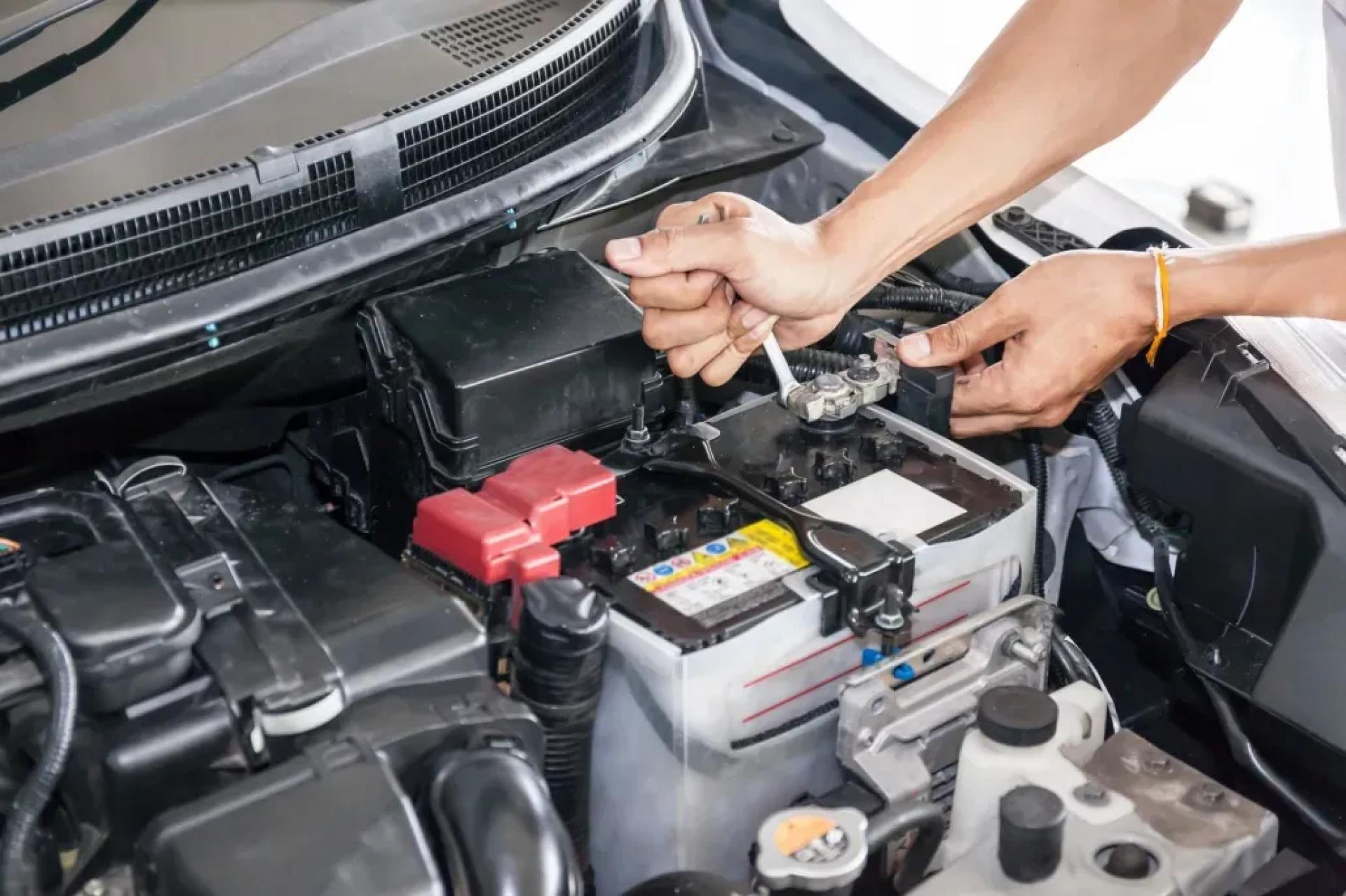
Tesla batteries often appear to slow down or lose range during cold Pennsylvania winters because low temperatures restrict the movement of lithium ions. This physical change usually results in longer charging times and reduced mileage per charge during the winter months in Feasterville-Trevose.
Most drivers notice these changes when the temperature drops below freezing. It is often a temporary shift in efficiency rather than a permanent hardware failure. Expert analysis shows that electric vehicles can lose up to 30 percent of their range in extreme cold.
This guide provides a detailed look at why performance shifts occur in local climates. It also explains how to tell the difference between environmental factors and actual battery health issues.
Understanding Battery Performance in Local Climates
The climate in Bucks County presents unique challenges for electric vehicle owners. Winter temperatures frequently dip below freezing which impacts the chemical reactions inside the battery cells. Lithium-ion batteries rely on liquid electrolytes that become more viscous when cold.
This increased viscosity creates internal resistance within the battery pack. The car must use more energy just to heat the battery to an operational temperature. This diverted energy reduces the total power available for driving.
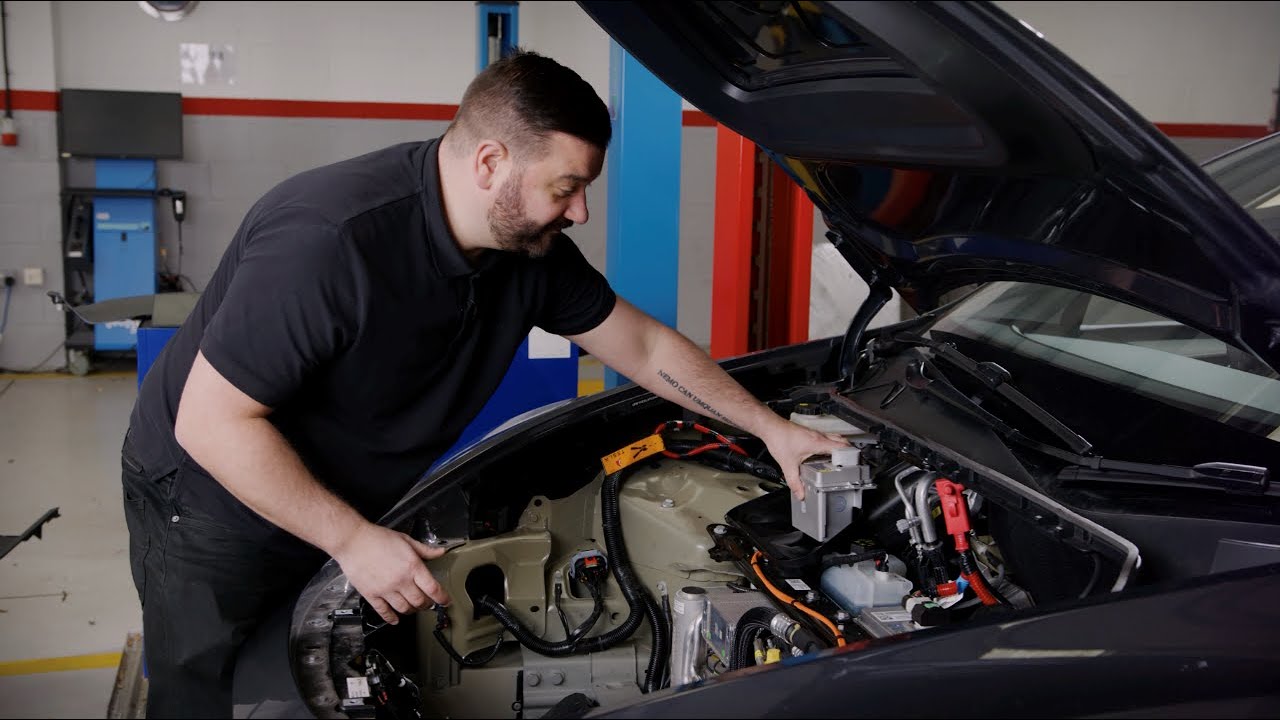
Drivers in Feasterville-Trevose should monitor how their car behaves during seasonal transitions. Permanent loss of capacity usually happens slowly over several years. Sudden drops in performance are more likely related to weather or software settings.
The Science of Cold Weather Range Loss
Cold air is denser than warm air which increases aerodynamic drag on the vehicle. This means the motor must work harder to push the car through the air at highway speeds. When combined with a cold battery the total efficiency drops significantly.
The heating system also puts a massive load on the power supply. Unlike gas cars that use waste heat from the engine Teslas must use battery power to warm the cabin. This can consume several miles of range every hour the heater runs.
Tesla uses a thermal management system to protect the cells from damage. This system prevents the car from using full power until the battery reaches a safe temperature. Owners may see a blue snowflake icon indicating the battery is too cold for full performance.
Charging Speed Variability in Bucks County
Charging speeds vary based on the temperature of the battery pack and the local power grid. A cold battery cannot accept a high rate of charge because the lithium ions cannot move quickly enough. This is a safety feature designed to prevent plating and permanent damage.
If a vehicle consistently fails to hold a charge even in mild weather a professional Tesla Battery Replacement may become a necessary consideration for the owner. This process ensures the vehicle regains its original factory range and charging capabilities.
Using a Supercharger when the battery is cold often results in much lower speeds than advertised. The car must first spend time heating the battery before it can reach peak charging rates. This can add twenty to thirty minutes to a typical charging session.
Impact of Supercharging vs Level 2 Charging
Supercharging provides high voltage directly to the battery for quick trips. However frequent use of high-speed chargers can lead to heat stress over time. Most technicians recommend using Level 2 home charging for daily needs to preserve long term health.
Level 2 chargers use alternating current and are much gentler on the battery chemistry. In Feasterville-Trevose home charging allows the car to draw power from the grid to pre-heat the cabin. This saves the battery energy for the actual drive.
Signs of Permanent Degradation
Battery degradation is a natural part of owning an electric vehicle. Most packs lose about one to two percent of their capacity every year. This loss is caused by the physical expansion and contraction of the battery materials during charge cycles.

Owners should look for a steady decline in the maximum range shown at a 100 percent charge. If the range drops by more than five percent in a single year it may indicate a failing cell. This is different from the seasonal fluctuations caused by the weather.
Another sign of trouble is an unpredictable state of charge. If the percentage jumps from twenty percent to five percent suddenly the battery may have a voltage imbalance. This requires a professional diagnostic tool to identify which modules are underperforming.
Voltage Imbalance and Capacity Loss
A battery pack consists of thousands of small cells wired together in series and parallel. If one group of cells becomes weaker than the rest it limits the performance of the entire pack. The car can only be as strong as its weakest cell.
Voltage imbalance often leads to the car shutting down before it reaches zero percent. It can also cause the car to limit acceleration to protect the failing hardware. Technicians can run a health test to see the exact millivolt difference between cell groups.
High Mileage Considerations
High mileage vehicles naturally show more wear on the battery pack. Vehicles used for ride-sharing or long commutes in Pennsylvania see more charge cycles than average. Each cycle slightly degrades the ability of the cells to hold energy.
Market data suggests that modern Tesla batteries are designed to last between 300,000 and 500,000 miles. Most owners will not need a major repair during the typical life of the vehicle. However local driving habits and charging patterns play a massive role in these timelines.
Comparison of Performance Factors
The following table shows how different conditions in Feasterville-Trevose affect the battery.
| Condition | Range Impact | Charging Speed | Regenerative Braking |
|---|---|---|---|
| Ideal (70°F) | 100% Capacity | Maximum Speed | Full Strength |
| Cold (32°F) | 70-80% Capacity | Reduced by 40% | Limited |
| Extreme Cold (0°F) | 50-60% Capacity | Very Slow | Disabled Initially |
| High Humidity | 95% Capacity | Normal | Full Strength |
Bonus Tip for Cold Mornings
Owners should use the Scheduled Departure feature in the Tesla app. This tells the car to finish charging and warm the battery right before the planned trip. It ensures the battery is at an optimal temperature for efficiency and regenerative braking.
Things to Consider Before Making a Decision
Before seeking a major repair owners should evaluate their current habits. Small changes in how the vehicle is stored and charged can restore some perceived loss of range.
- Check the tire pressure as cold air causes tires to lose air and increases rolling resistance.
- Review the energy app in the car to see if a specific driving habit is consuming power.
- Ensure the vehicle is updated to the latest software version for the best battery management.
- Limit the use of Sentry Mode if the car is parked in a safe garage to save idle energy.
- Avoid letting the battery stay at 100 percent or 0 percent for long periods.
Software Updates and Battery Management
Tesla regularly releases updates that improve how the battery handles extreme weather. These updates can change the thermal management logic to be more efficient. Sometimes a "slowing" battery is simply a car waiting for a firmware fix.
The Battery Management System (BMS) is the computer that monitors every cell. If the BMS becomes uncalibrated it may report inaccurate range numbers. Performing a deep discharge and a full charge can sometimes recalibrate the system.
Environmental Factors in Feasterville-Trevose
Road conditions in Pennsylvania also impact battery consumption. Driving on snow or slush requires more energy than driving on dry pavement. The extra friction and weight of the snow on the wheel wells can lower efficiency by ten percent.
Bonus Tip for Battery Longevity
Try to keep the state of charge between 20 percent and 80 percent for daily use. This range minimizes the stress on the battery chemistry and slows down the degradation process. Only charge to 100 percent when preparing for a long road trip.
Technical Specifications for Local Power
Feasterville-Trevose residents typically have access to stable 240v power for home charging. Ensuring a high-quality installation of a home charging station reduces electrical resistance and heat. This makes the charging process more efficient and safer for the vehicle.
Questions People Ask About Local Battery Performance
Why does my Tesla show a dotted line on the power bar?
The dotted line indicates that regenerative braking or acceleration is limited. This happens most often when the battery is too cold or too full. As the battery warms up through driving the dots will disappear and full function will return.
Does parking in a garage help battery life in Pennsylvania?
Yes parking in a garage protects the battery from the most extreme temperature swings. Even an unheated garage is usually ten to fifteen degrees warmer than the outside air. This reduces the amount of energy the car spends on thermal management.
How do I know if my battery needs a professional repair?
A repair is usually needed if the car displays a "Maximum Charge Level Reduced" alert. Other signs include the car failing to start in mild weather or losing more than 30 percent of its original range. A certified technician can pull the internal logs to verify the health.
Will using the heater drain my battery quickly?
The cabin heater is one of the largest energy consumers in the vehicle. In very cold weather it can use between 3 and 7 kilowatts of power. Using the heated seats and steering wheel is much more efficient than heating the entire cabin air.
Can a software update fix a range issue?
Software updates can optimize how the car uses its remaining energy. While it cannot physically fix a dead cell it can improve the accuracy of the range display. It can also adjust how the car pre-conditions the battery for better winter performance.
Summary of Battery Health Findings
Battery performance in Feasterville-Trevose is highly dependent on the season and charging habits. Most slowing or range loss during the winter is a normal part of electric vehicle operation. Owners should monitor their range over several months to distinguish between weather effects and actual damage.
Regular maintenance such as checking tire pressure and using scheduled departure improves the driving experience. If the vehicle shows consistent warnings or drastic range loss it is best to have a professional inspection. Drivers should evaluate their specific needs and high-mileage history when deciding on a service plan.
Professional Care for Local Electric Vehicles
Maintaining an electric vehicle requires specialized knowledge of high-voltage systems and thermal management. Quality Tesla Service provides expert diagnostics and maintenance for owners in the Feasterville-Trevose area. They understand the specific challenges that Pennsylvania winters pose to lithium-ion technology.
If a vehicle requires a detailed health check or specialized repairs the team is available to assist. Residents can reach out via email at [email protected] for technical inquiries. For immediate assistance or to schedule an appointment they can call (215) 355-5019 to speak with a technician who understands local driving conditions.
Sign in to leave a comment.