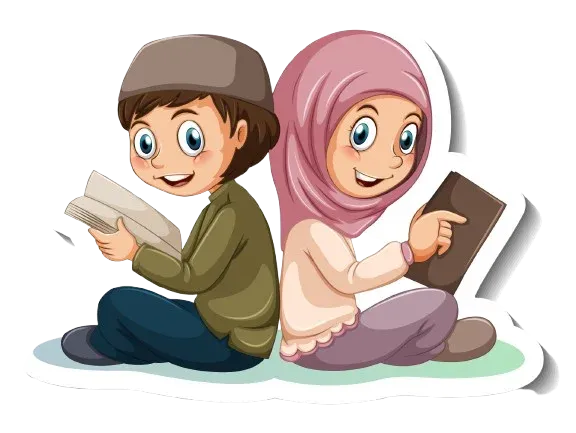

Providing children with Islamic education from an early age can help them develop a strong understanding of their faith and build positive values for everyday life. Islamic Courses for Kids are designed to introduce young learners to the essential teachings of Islam through simple, engaging, and age-appropriate lessons. These courses can cover Islamic beliefs, Quran learning, Salah, duas, Islamic manners, and the lives of the Prophets.
Why Islamic Courses Are Important for Kids
Children learn habits and values quickly during their early years. Introducing Islamic teachings at this stage can help them understand their religious responsibilities and develop a meaningful connection with their faith.
Islamic courses can teach children important qualities such as honesty, kindness, patience, respect, forgiveness, and responsibility. These values can influence how children behave with their parents, teachers, siblings, friends, and other people.
A structured course also allows children to learn Islamic concepts gradually instead of trying to understand everything at once. Lessons can be adapted according to their age, knowledge, and learning ability.
What Do Kids Learn in Islamic Courses?
A comprehensive Islamic course can include a variety of subjects that give children a strong foundation in Islamic knowledge. Depending on the program, children may learn:
- Basic beliefs and teachings of Islam
- The Five Pillars of Islam
- Introduction to Allah and His attributes
- Quran reading and basic recitation
- Basic Tajweed rules
- Salah and prayer instructions
- Daily duas and supplications
- Stories of the Prophets
- Seerah of Prophet Muhammad (PBUH)
- Islamic manners and etiquette
- Good character and moral values
- Important Islamic occasions and practices
These subjects can help children understand their religion while learning how to apply Islamic teachings in their daily lives.
Making Islamic Education Interesting
Children learn best when lessons are enjoyable and interactive. Teachers can use stories, examples, questions, activities, and repetition to make Islamic concepts easier to understand.
Stories of the Prophets are particularly useful for young learners because they combine religious knowledge with important life lessons. Children can learn about patience, courage, honesty, faith, and trust in Allah while enjoying age-appropriate stories.
A supportive teacher can also encourage children to ask questions and participate in lessons. This creates a positive learning environment and helps children become more confident in their Islamic knowledge.
Benefits of Online Islamic Courses for Kids
Online Islamic courses offer families a convenient way to provide religious education from home. Children do not need to travel to a physical learning center, and parents can select class timings that fit around school and other activities.
Online classes can also provide personalized attention through one-to-one or small-group lessons. Teachers can identify areas where a child needs additional support and adjust the lessons according to their learning pace.
For families living in locations where qualified Islamic teachers are not easily available, online courses can make Islamic education more accessible.
How Parents Can Support Islamic Learning
Parents play an important role in helping children benefit from their Islamic courses. They can encourage children to attend lessons regularly, revise what they have learned, and practice Islamic manners and duas at home.
Creating a positive learning environment is also important. Children should feel encouraged to learn and ask questions rather than feeling pressured. Consistent support from parents can make Islamic education a natural and enjoyable part of their daily routine.
Build a Strong Islamic Foundation
Islamic Courses for Kids provide a valuable opportunity for young learners to gain essential religious knowledge and develop positive Islamic values. With structured lessons, qualified teachers, engaging activities, and regular practice, children can gradually build a strong foundation in Islam.
Starting Islamic education at an early age can help children develop a lasting connection with their faith and learn principles that can guide them throughout their lives.
























Sign in to leave a comment.