
Introduction
In today’s ever-evolving educational landscape, Islamic schools play a vital role in nurturing students who are academically proficient and spiritually grounded. These institutions serve as safe spaces where young Muslims can embrace their identity, gain knowledge, and develop into responsible citizens. This blog explores the significance, structure, and growing presence of Islamic schools worldwide, particularly in the UK.
The Importance of Islamic Education
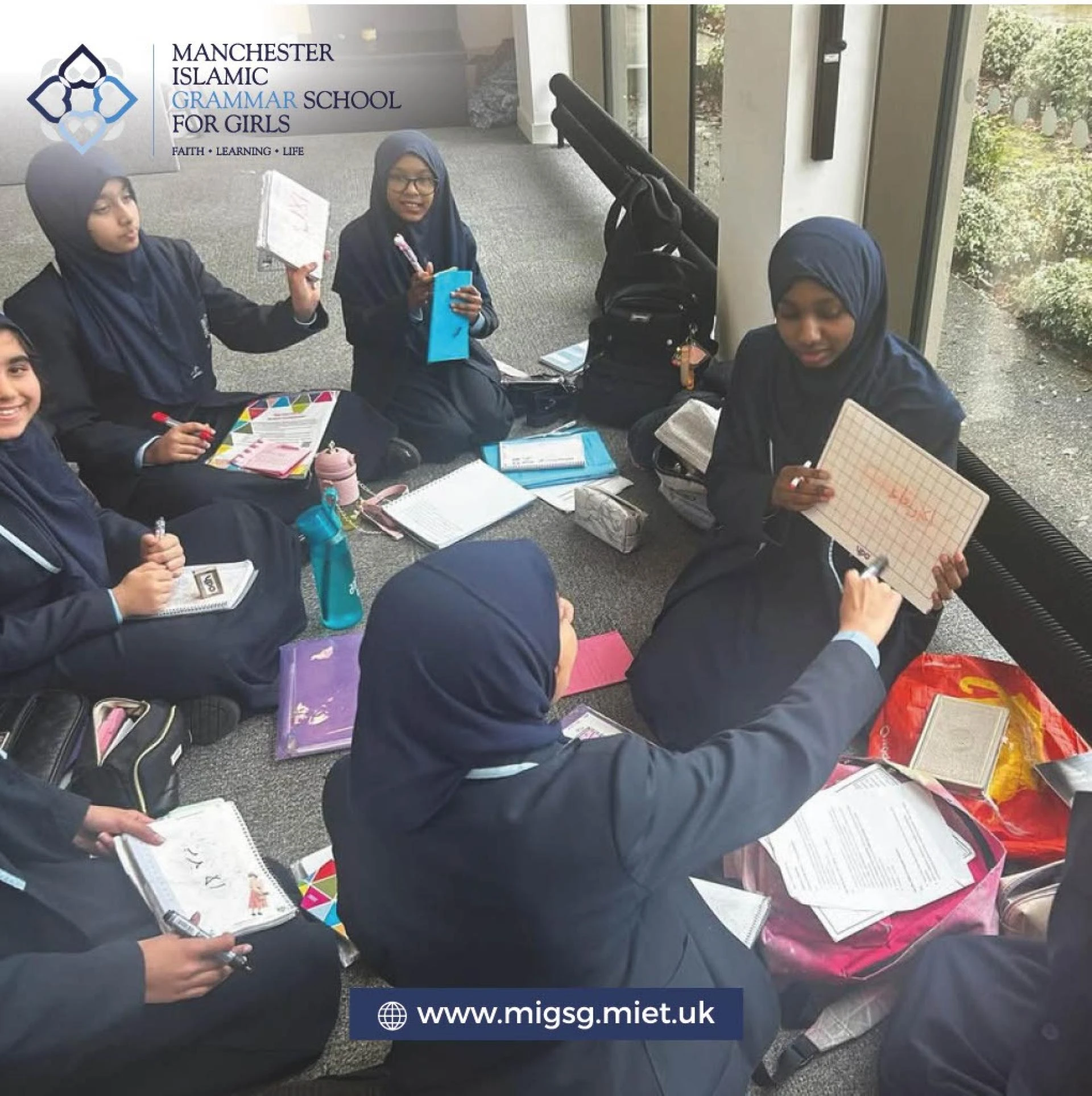
Islamic education provides children with a strong moral compass, emphasizing discipline, respect, responsibility, and empathy. It goes beyond academics to instil lifelong spiritual habits rooted in Islamic teachings.
A Global Perspective
From the Middle East to South Asia, Africa, and the West, Islamic schools come in many forms — madrassas, integrated schools, boarding academies, and day schools. While their formats differ, the common goal remains: to raise pious, educated individuals.
Islamic Schools in the UK
In Britain, Islamic schools are either independent or state-funded voluntary aided schools. They follow the National Curriculum while including Arabic, Islamic Studies, and Qur’an memorisation. Cities like London, Birmingham, and Manchester have a high concentration of Islamic schools due to their large Muslim populations.
Curriculum Integration
Islamic schools aim to blend religious and secular education. A child studying algebra might also learn how math was pioneered by Islamic scholars. History lessons may include both Western events and significant Islamic milestones. This integrated approach enhances appreciation for both heritage and innovation.
Academic Outcomes
Many Islamic schools outperform national averages in GCSE and A-Level results. The discipline and focus instilled through Islamic teachings often contribute to strong study habits and academic success.
Gender-Specific and Co-Ed Options
Islamic schools vary in structure — some are for boys only, others for girls, while many are co-educational. This allows parents to choose what aligns best with their values.
Challenges Faced
Islamic schools face challenges such as media scrutiny, funding limitations, and regulatory pressures. Despite this, their resilience and the support from communities have helped them flourish.
The Role of Teachers
Educators in Islamic schools are not just instructors but role models. Their influence helps shape the spiritual and intellectual character of students. Teachers are often trained in both secular pedagogy and Islamic sciences.
Parental Involvement
Parent participation is a hallmark of successful Islamic schools. Whether through governance boards or daily communication, schools thrive when families are engaged.
Conclusion
Islamic schools stand as essential institutions in preserving faith, promoting excellence, and preparing young Muslims to contribute positively to society. As demand grows, these schools continue to evolve — embracing new technologies, improving standards, and strengthening their mission to serve both God and community.






















Sign in to leave a comment.