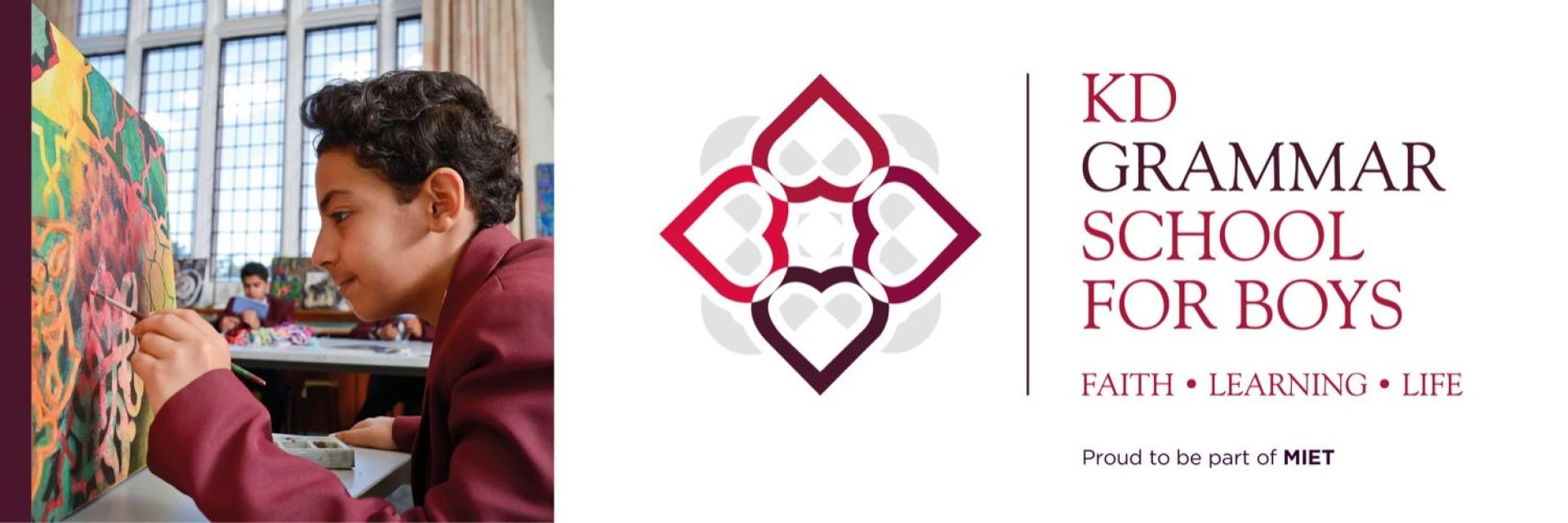

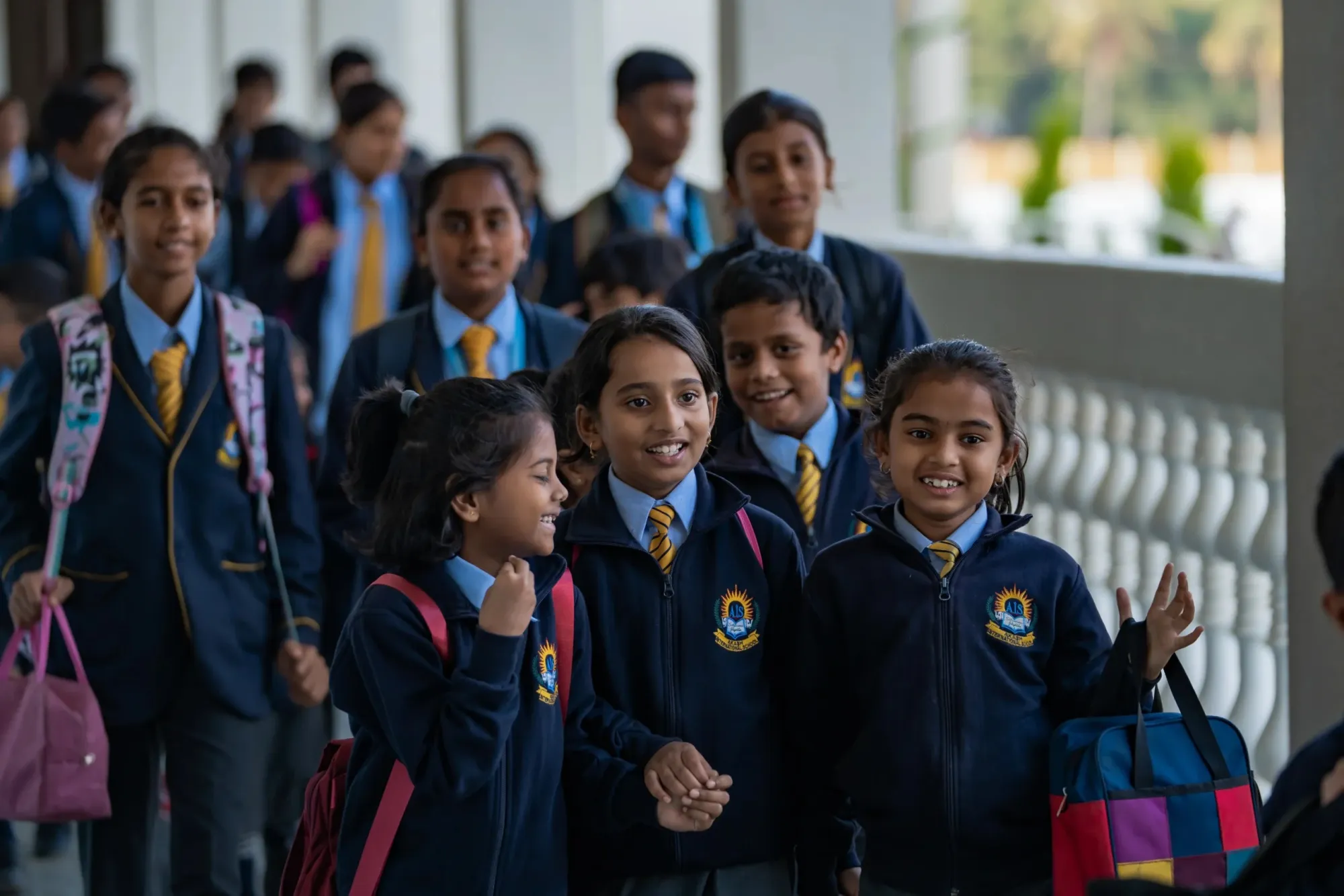
Islamic schools in UK play a vital role in providing high-quality education while preserving Islamic values and culture. These institutions serve as bridges between academic achievement and spiritual growth, fostering a generation of students who are well-prepared for life in a multicultural society.
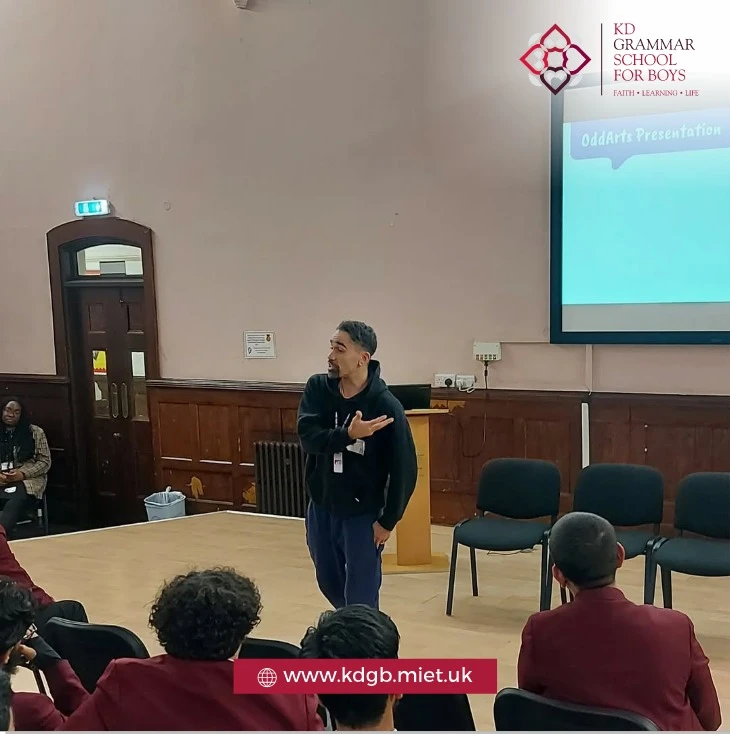
The Role of Islamic Schools in the UK
- Faith-Based Education Islamic schools incorporate the teachings of the Quran, Hadith, and Islamic values into their curriculum, ensuring students grow with a strong sense of identity and ethics.
- Academic Excellence Many Islamic schools deliver outstanding academic results, following the National Curriculum alongside supplementary Islamic studies.
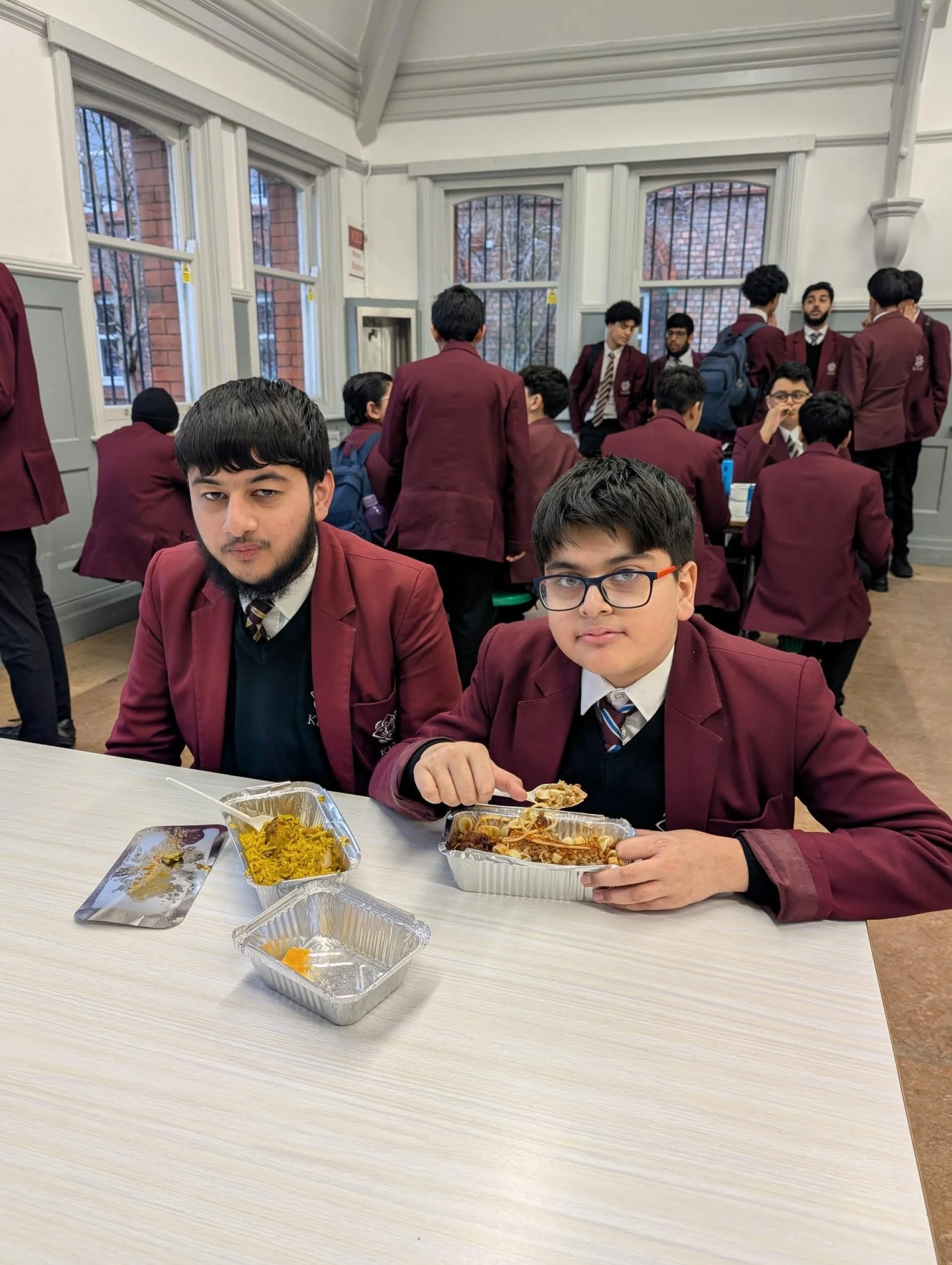
- Safe Learning Environment These schools provide a supportive atmosphere where students can practice their faith and express their cultural heritage freely.
- Community Building Islamic schools promote unity within the Muslim community while encouraging interfaith dialogue and understanding.
Types of Islamic Schools
- Independent Islamic Schools Privately funded institutions offering comprehensive Islamic and academic education.
- State-Funded Faith Schools Schools that operate under government funding, with an Islamic ethos and curriculum.
- Supplementary Schools (Madrasahs) Weekend or evening programs focusing on Quranic studies, Arabic language, and Islamic teachings.
Features of Islamic Schools
- Balanced Curriculum A blend of secular subjects like mathematics, science, and English with Islamic studies, Quranic recitation, and Arabic.
- Qualified Teachers Staff members are skilled in both mainstream education and Islamic disciplines, ensuring holistic development.
- Emphasis on Character Development Schools instill moral values like honesty, respect, and responsibility, shaping ethical individuals.
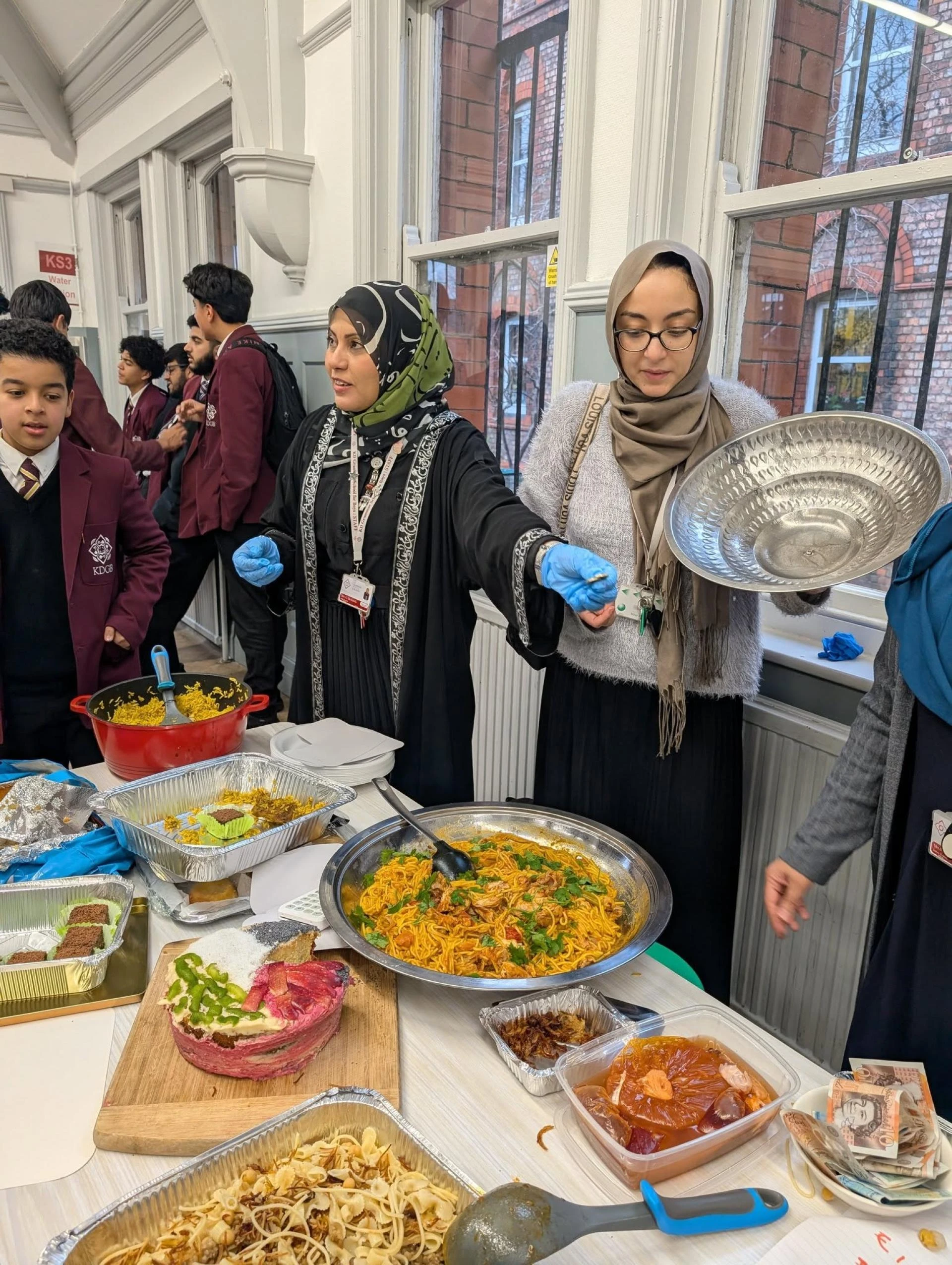
- Extracurricular Activities Sports, arts, charity work, and interfaith events broaden students' horizons and foster teamwork.
Benefits of Islamic Schools
- Strong Cultural Identity Students develop a deep connection to their Islamic heritage while appreciating diversity.
- Supportive Peer Environment A faith-aligned community encourages mutual respect and understanding among students.
- Academic Success Many Islamic schools consistently rank high in academic performance tables.
- Preparation for Modern Life Graduates are equipped with the knowledge and skills to excel in higher education and professional careers.
Challenges Faced by Islamic Schools
- Resource Limitations Many schools require additional funding for facilities, technology, and staff development.
- Balancing Curricula Striking a balance between rigorous academic standards and comprehensive Islamic education can be demanding.
- Addressing Stereotypes Schools often work to combat misconceptions about faith-based education through outreach and community engagement.
- Expanding Access With growing demand, there is a need to establish more schools to cater to diverse communities.
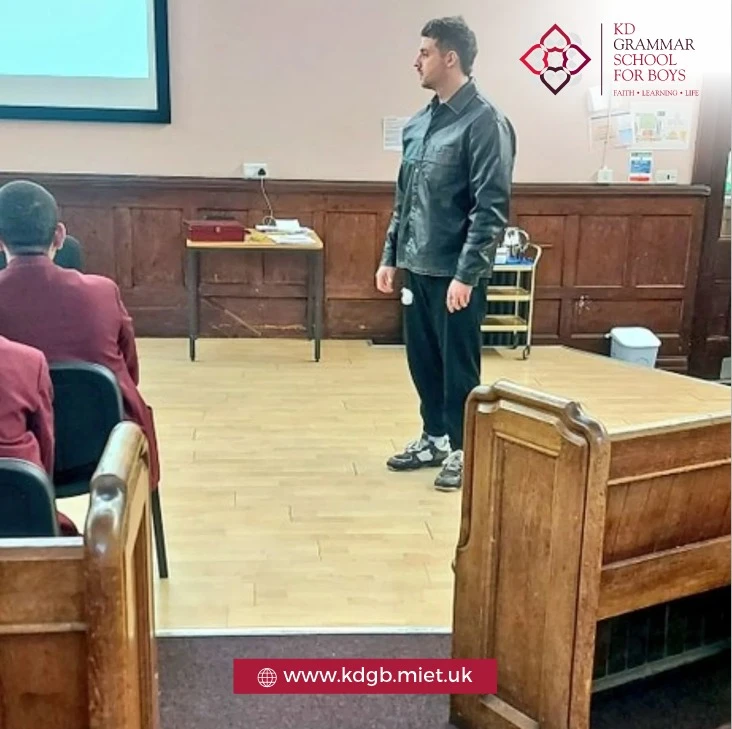
Notable Islamic Schools in the UK
- Al-Hijrah School (Birmingham) One of the UK’s first Islamic state-funded schools, offering a blend of academic and faith-based education.
- The Olive School (Blackburn and London) Known for academic excellence and strong moral guidance.
- Islamia Primary School (London) Founded by Yusuf Islam (formerly Cat Stevens), this school emphasizes a balance of secular and Islamic studies.
- Manchester Islamic High School for Girls A leading institution for secondary education, combining strong academics with an Islamic ethos.
Future of Islamic Schools in the UK
- Embracing Innovation Schools are integrating technology and modern teaching methods to enhance learning outcomes.
- Strengthening Community Ties Increased collaboration with non-Islamic schools and local organizations fosters inclusivity.
- Expanding Facilities Many schools are upgrading infrastructure to meet the growing demand for quality education.
- Promoting Interfaith Harmony Participation in interfaith events helps break barriers and build mutual understanding.
Conclusion
Islamic schools in the UK are more than just educational institutions; they are pillars of the community that nurture young minds with knowledge, faith, and values. By fostering academic excellence and spiritual growth, these schools empower students to thrive in a diverse and ever-changing world.
For parents seeking an education that aligns with their values while preparing their children for future challenges, Islamic schools offer the ideal balance of tradition and modernity.
























Sign in to leave a comment.