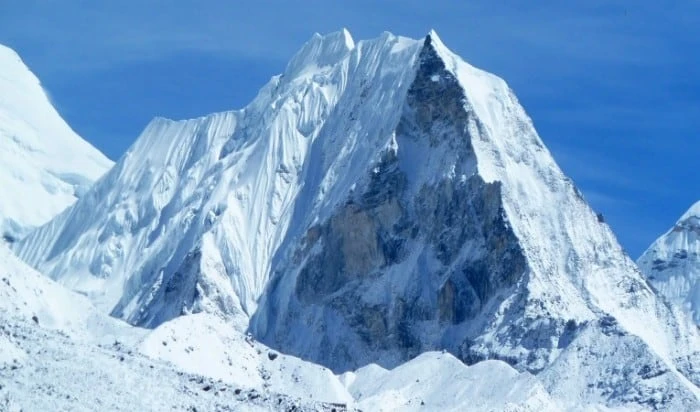

Climbers wishing to enjoy the beauty of the Himalayas without taking on the severe elevations of Everest can find an exciting journey at Island Peak (Imja Tse), which is tucked away in the heart of the Everest area at 6,189 meters (20,305 feet). The Island Peak climb, which combines the challenge of technical climbing with the attraction of high-altitude trekking, is frequently considered a stepping stone for aspiring mountaineers. We delve into the core of the Island Peak climb in this blog, covering everything from planning to the thrilling summit experience.
The Appeal of Island Peak
Island Peak, aptly named due to its isolated appearance amidst a sea of ice when viewed from Dingboche, offers a perfect introduction to high-altitude climbing. It’s a popular choice for climbers who wish to gain experience in using crampons, ice axes, and ropes, while also enjoying the breathtaking beauty of the Everest region. The climb provides a unique blend of adventure, cultural immersion, and spectacular Himalayan vistas.
Preparing for the Climb
Preparation is crucial for a successful and safe Island Peak climb. Here are some key aspects to consider:
Physical Fitness: A solid level of fitness is essential. Climbers should engage in cardiovascular training, strength exercises, and endurance activities. Regular hikes with a weighted backpack, gym workouts, and altitude training can be immensely beneficial.
Technical Skills: While Island Peak is considered a trekking peak, it involves technical elements such as glacier travel, crevasse navigation, and a steep headwall. Familiarity with the use of climbing gear like crampons, harnesses, and ice axes is necessary. Many climbers participate in pre-climb courses to hone these skills.
Acclimatization: Proper acclimatization is vital to reduce the risk of altitude sickness. Most climbers combine their Island Peak expedition with a trek to Everest Base Camp or the Gokyo Lakes, which helps in gradual acclimatization.
Gear and Equipment: Essential gear includes layered clothing for varying weather conditions, mountaineering boots, crampons, ice axes, helmets, harnesses, and a good-quality sleeping bag. Additionally, climbers should pack personal items like high-energy snacks, sunscreen, and a first aid kit.
The Climb: Journey to the Summit
The Island Peak climb is typically a 16-20 day expedition, starting with a scenic flight from Kathmandu to Lukla, followed by a trek through the beautiful Khumbu Valley. Here’s a breakdown of the journey:
Lukla to Namche Bazaar: The trek begins with a walk from Lukla to Namche Bazaar, the bustling Sherpa town. This section includes crossing suspension bridges, passing through pine forests, and acclimatizing at Namche, which sits at 3,440 meters (11,286 feet).
Namche Bazaar to Dingboche: From Namche, climbers trek to Dingboche, situated at 4,410 meters (14,468 feet). The route offers stunning views of Ama Dablam, Lhotse, and Everest. Dingboche serves as another acclimatization stop.
Dingboche to Chhukung: The journey continues to Chhukung, a small village at 4,730 meters (15,518 feet), where climbers spend a night acclimatizing and preparing for the climb. Here, they also conduct gear checks and possibly undertake short hikes to nearby peaks like Chhukung Ri.
Base Camp to High Camp: From Chhukung, climbers trek to Island Peak Base Camp (5,200 meters / 17,060 feet), where they spend a night before moving to High Camp (5,600 meters / 18,373 feet). This higher staging point provides a head start for the summit push.
Summit Day: The ascent to the summit begins in the early hours, usually around 2 AM. Climbers navigate through glaciers, cross crevasses, and tackle a steep ice headwall before reaching the narrow summit ridge. The final push to the summit is exhilarating, with panoramic views of Everest, Lhotse, Nuptse, and Makalu.
Descent: After savoring the summit experience, climbers descend back to Base Camp, and then retrace their steps to Chhukung and onward to Lukla.
The Island Peak Experience
Climbing Island Peak is a profoundly rewarding experience. It offers a unique opportunity to immerse oneself in the rich Sherpa culture, witness the majesty of the Himalayas up close, and develop mountaineering skills in a relatively accessible environment. The sense of achievement upon reaching the summit is unparalleled, as is the camaraderie formed with fellow climbers and guides.
Environmental and Ethical Considerations
As with any Himalayan expedition, it’s important to practice responsible and sustainable climbing. This includes minimizing waste, respecting local customs and communities, and supporting eco-friendly practices. Many expeditions contribute to local economies by hiring local guides and porters, ensuring that the benefits of tourism are shared with the residents.
Conclusion
The Island Peak climb is a journey of adventure, challenge, and personal growth. Whether you’re an experienced mountaineer or a passionate trekker seeking a new challenge, Island Peak offers an unforgettable experience that combines the thrill of climbing with the beauty of the Everest region. As you stand on the summit, surrounded by the towering giants of the Himalayas, you’ll realize that this climb is not just about reaching a peak, but about the incredible journey that takes you there.























Sign in to leave a comment.