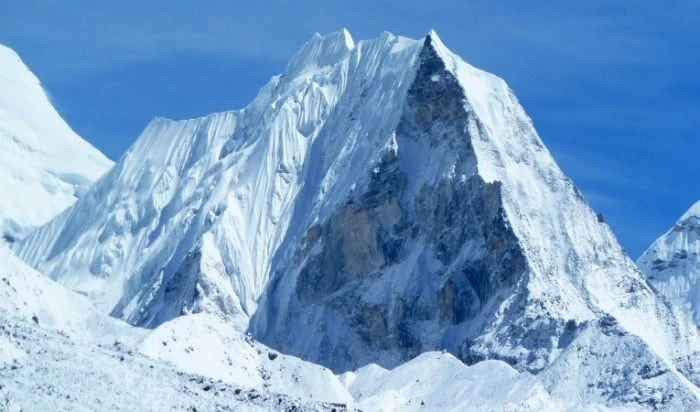

Nestled in the heart of the Himalayas, Island Peak, also known as Imja Tse, stands at 6,189 meters (20,305 feet). This spectacular peak is one of the most sought-after trekking peaks in Nepal, offering an ideal challenge for adventurous trekkers and climbers who wish to experience the thrill of Himalayan mountaineering without the technical demands of higher peaks like Everest or Lhotse. Whether you are an experienced climber or an enthusiastic trekker looking to test your limits, Island Peak provides an unforgettable adventure in the stunning Khumbu region.
The Allure of Island Peak
Island Peak is aptly named for its unique appearance. From Dingboche, the peak looks like an island in a sea of ice, surrounded by the towering giants of the Himalayas, including Lhotse (8,516 meters) and Ama Dablam (6,812 meters). This visual isolation makes Island Peak an attractive destination for climbers seeking both a challenging ascent and breathtaking views.
Preparing for the Climb
Preparation for climbing Island Peak involves both physical and mental readiness. Here are some key aspects to consider:
Physical Fitness: Although not as demanding as the higher peaks, Island Peak requires excellent physical conditioning. Cardiovascular fitness, strength training, and endurance are essential. Training should begin several months in advance, including activities like running, hiking, and strength exercises.
Technical Skills: While Island Peak is considered a trekking peak, it does require some basic mountaineering skills. Familiarity with the use of crampons, ice axes, and ropes is necessary. Many climbers take a basic mountaineering course to prepare for the climb.
Gear and Equipment: Proper gear is crucial for a successful and safe climb. This includes high-quality mountaineering boots, warm clothing, climbing harness, helmet, crampons, ice axe, and a good sleeping bag. Renting equipment in Kathmandu or Namche Bazaar is also an option.
Acclimatization: The climb to Island Peak requires proper acclimatization to avoid altitude sickness. A well-planned itinerary with gradual ascent, rest days, and possibly an acclimatization trek to a nearby peak or pass will help your body adjust to the high altitude.
The Journey Begins
The adventure typically starts with a flight from Kathmandu to Lukla, a small town with a famously short and steep airstrip. From Lukla, the trek follows the classic Everest Base Camp trail through Phakding, Namche Bazaar, Tengboche, and Dingboche, offering ample time for acclimatization and soaking in the incredible scenery of the Khumbu region.
The Ascent of Island Peak
After reaching Dingboche, climbers diverge from the Everest Base Camp trail and head towards Chhukung, the starting point for the Island Peak ascent. The climb is usually divided into two parts: the trek to Island Peak Base Camp and the summit push.
Base Camp: The trek from Chhukung to Island Peak Base Camp is a relatively short but challenging hike. Base Camp is situated at around 5,100 meters, and it’s here that climbers spend a night preparing for the summit attempt.
Summit Day: The summit push typically begins in the early hours of the morning, around 2 AM. The initial part of the climb involves navigating through rocky and moraine terrain. As climbers ascend higher, they encounter snow and ice slopes, requiring the use of crampons and ice axes. The final section involves a steep headwall and a thrilling ridge climb to the summit.
Reaching the Summit
Standing on the summit of Island Peak is an exhilarating experience. The panoramic views of the surrounding peaks, including the south face of Lhotse, Nuptse, Baruntse, and Makalu, are awe-inspiring. The sense of achievement and the breathtaking beauty of the Himalayas make every ounce of effort worthwhile.
Descending and Reflecting
After the summit, climbers descend back to Base Camp and then retrace their steps to Chhukung, eventually rejoining the main Everest trail. The journey back to Lukla is a time for reflection, as you pass through familiar villages and landscapes, celebrating the successful climb with fellow trekkers and locals.
Conclusion
Climbing Island Peak is more than just reaching a summit; it’s about the journey, the preparation, the challenge, and the camaraderie formed along the way. It’s an adventure that tests your limits, rewards you with stunning views, and leaves you with memories that last a lifetime. Whether you’re an aspiring mountaineer or an experienced climber, Island Peak offers a unique and fulfilling experience in the heart of the Himalayas.










Sign in to leave a comment.