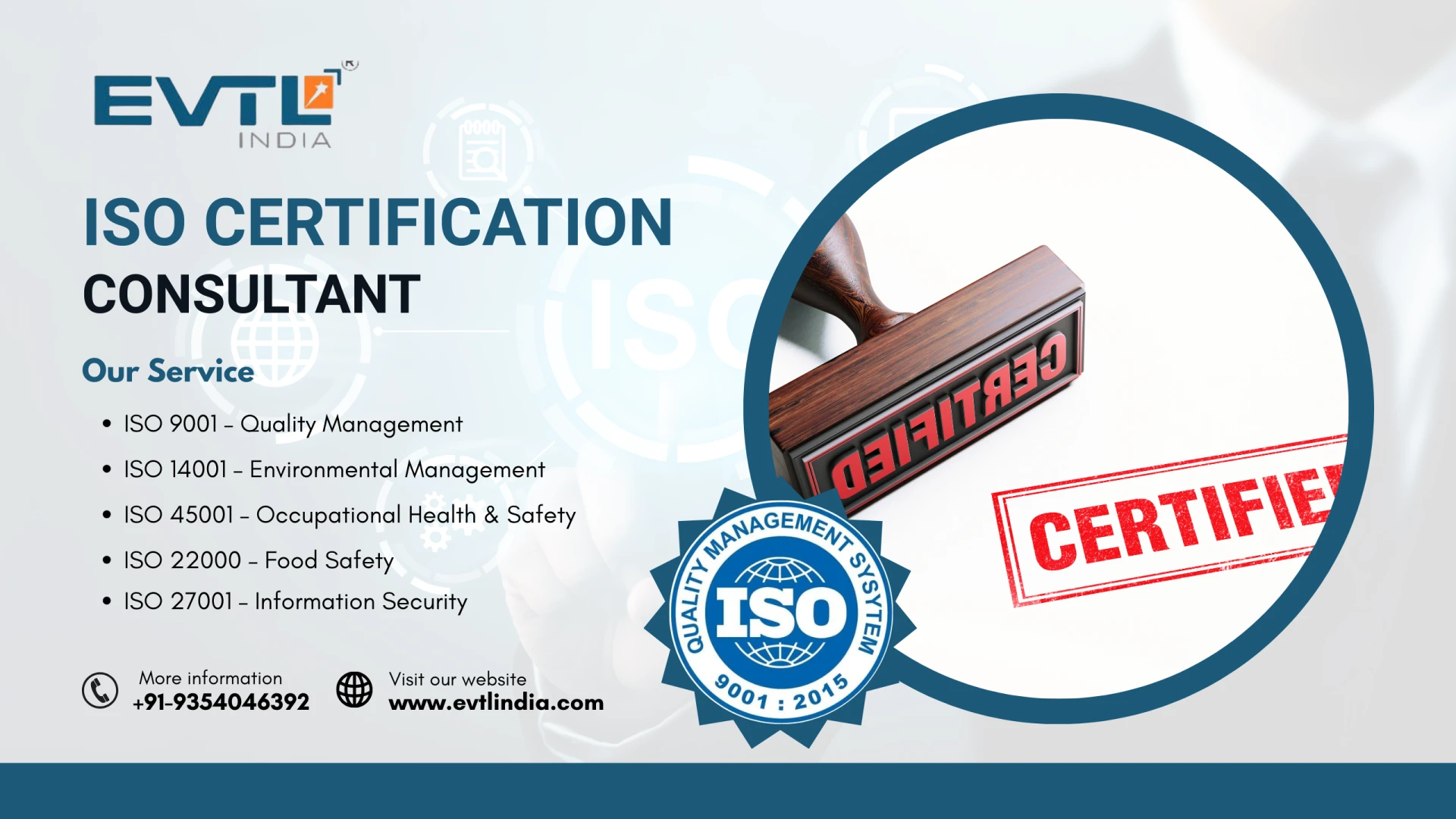
In today’s highly competitive and quality-driven global marketplace, organizations are constantly seeking ways to enhance credibility, streamline processes, and build customer trust. One of the most effective ways to achieve these objectives is through ISO Certification. Recognized worldwide, ISO standards provide a structured framework that helps organizations maintain consistency, efficiency, and quality across their operations.
What Is ISO? (ISO Full Form Explained)
ISO stands for the International Organization for Standardization. It is an independent, non-governmental international body that develops and publishes global standards to ensure quality, safety, efficiency, and interoperability of products and services. Established in 1947 and headquartered in Geneva, Switzerland, ISO brings together national standards bodies from over 160 countries.
Contrary to common belief, ISO itself does not certify organizations. Instead, it develops standards, and certification is granted by accredited certification bodies that assess an organization’s compliance with the relevant ISO standard.
Understanding ISO Certification and ISO Registration
ISO Certification is a formal recognition that an organization’s management system, process, or service meets the requirements of a specific ISO standard. The process of obtaining this recognition is often referred to as ISO registration or ISO certificate registration.
ISO registration demonstrates that an organization follows internationally accepted best practices. It is applicable to businesses of all sizes and sectors, including manufacturing, services, healthcare, education, IT, logistics, and more. Whether a company operates locally or internationally, ISO certification acts as a mark of reliability and professionalism.
What Are ISO Standards?
ISO standards are documented frameworks that define best practices, guidelines, and requirements for various operational and management aspects. These standards help organizations improve performance, reduce risks, and ensure consistency.
There are thousands of ISO standards covering diverse areas such as quality management, environmental management, information security, occupational health and safety, food safety, and energy management. Among these, ISO 9001 remains the most widely adopted standard across industries.
ISO 9001 Standard: Quality Management at Its Core
The ISO 9001 standard focuses on Quality Management Systems (QMS). It is designed to help organizations consistently deliver products and services that meet customer and regulatory requirements while continually improving their processes.
ISO 9001 is built around key principles such as customer focus, leadership involvement, process-based thinking, risk management, and continuous improvement. It encourages organizations to clearly define their processes, monitor performance, and address inefficiencies proactively.
One of the major advantages of ISO 9001 is its flexibility. It can be implemented by small startups as well as large enterprises, regardless of industry. Certification under this standard signals a strong commitment to quality and customer satisfaction.
Benefits of ISO Certification for Organizations
ISO certification offers tangible and intangible benefits that contribute to long-term business growth:
- Enhanced credibility and trust among customers, partners, and stakeholders
- Improved operational efficiency through standardized processes
- Better risk management and reduced operational errors
- Increased customer satisfaction due to consistent quality delivery
- Greater market access, especially in international trade and government tenders
- Employee engagement and clarity, as roles and processes are well defined
By aligning operations with ISO standards, organizations build a culture of discipline, accountability, and continuous improvement.
Role of an ISO Certified Consultant
While ISO standards are publicly available, interpreting and implementing them correctly can be challenging without expert guidance. This is where an ISO certified consultant plays a critical role.
An ISO consultant helps organizations understand applicable standards, conduct gap analyses, design documentation, train staff, and prepare for certification audits. Their expertise ensures that the implementation is not just compliant but also practical and aligned with business objectives.
Engaging a professional consultant reduces the risk of non-conformities, saves time, and ensures a smoother certification journey. It also helps organizations avoid common mistakes such as over-documentation or misinterpretation of standard requirements.
ISO Certificate Registration Process
The ISO certificate registration process typically follows a structured sequence:
- Selection of the relevant ISO standard based on business activities
- Gap analysis to assess current compliance levels
- System development and documentation, including policies and procedures
- Implementation of required processes across the organization
- Internal audit and management review to evaluate readiness
- Certification audit conducted by an accredited certification body
- Issuance of ISO certificate upon successful compliance
Once certified, organizations must undergo periodic surveillance audits to ensure ongoing compliance and continual improvement.
Maintaining ISO Compliance
ISO certification is not a one-time achievement. Organizations are expected to maintain and improve their systems consistently. This includes conducting internal audits, addressing non-conformities, reviewing objectives, and adapting to changes in regulatory or operational requirements.
Sustained compliance helps organizations derive long-term value from ISO standards rather than treating certification as a mere formality.
Conclusion
ISO certification is a powerful tool for organizations seeking global recognition, operational excellence, and customer confidence. From understanding the ISO full form to implementing ISO standards like ISO 9001, the journey toward certification strengthens internal systems and enhances market credibility. With the right approach and expert guidance, ISO registration becomes a strategic investment rather than an administrative burden.
For organizations looking for professional support in ISO certificate registration and end-to-end compliance, EVTL INDIA offers reliable consultancy services, ensuring a smooth, efficient, and value-driven certification experience aligned with international standards.




























Sign in to leave a comment.