In India’s power and electrical sector, regulatory compliance plays a crucial role in ensuring safety, quality, and reliability. Electrical products used in distribution networks must meet strict standards before they can be stored, supplied, or used. Among the key regulatory approvals required are the Dealer Possession License (DPL) and Non-Dealer Possession License (NDPL). These licenses are issued by electricity distribution authorities to regulate the possession and use of electrical materials.
Understanding DPL and NDPL certification is essential for manufacturers, traders, importers, contractors, and project developers working with electrical products.
Understanding DPL and NDPL Licenses
What is a Dealer Possession License (DPL)?
A Dealer Possession License (DPL) is issued to authorized dealers and distributors who store, supply, and sell electrical products approved by electricity distribution companies. This license confirms that the dealer is legally permitted to possess and trade electrical materials that comply with technical and safety standards.
Dealers handling products such as cables, switches, panels, transformers, meters, and other electrical components must obtain a DPL license to operate legally in the power distribution ecosystem.
What is a Non-Dealer Possession License (NDPL)?
A Non-Dealer Possession License (NDPL) is issued to organizations or entities that possess electrical materials for internal use but are not engaged in commercial trading. This includes EPC contractors, infrastructure companies, industrial plants, and project developers who use electrical products for installation, maintenance, or construction activities.
NDPL certification ensures that even non-trading entities comply with safety and regulatory requirements while handling electrical equipment.
Why DPL and NDPL Certification is Important
DPL and NDPL licenses are not just regulatory formalities; they are essential for maintaining safety and quality in the power sector. Some key reasons for obtaining these licenses include:
- Regulatory Compliance: Ensures adherence to guidelines issued by electricity distribution authorities.
- Product Safety: Confirms that electrical products meet technical standards and safety requirements.
- Market Credibility: Builds trust among utilities, contractors, and customers.
- Tender Eligibility: Mandatory for participating in government and utility tenders.
- Risk Mitigation: Reduces the risk of electrical faults, accidents, and system failures.
Dealer Possession License Registration Process
The Dealer Possession License registration process involves several regulatory and technical steps to verify the dealer’s eligibility. The typical procedure includes:
1. Application Submission
The dealer must submit an application to the concerned electricity distribution authority along with the required forms and supporting documents.
2. Business Documentation
Documents such as business registration certificates, GST registration, company incorporation certificates, and authorization letters are required to verify the applicant’s legal status.
3. Product Information
A detailed list of electrical products intended for storage and supply must be provided, along with technical specifications and test reports.
4. Quality Certifications
Authorities may require ISO certification and quality management system documentation to ensure consistent product quality.
5. Inspection and Verification
The distribution authority may conduct an inspection of the dealer’s storage facility and verify compliance with safety and storage guidelines.
6. License Issuance
Once all requirements are satisfied, the DPL license is issued for a specific validity period.
Non-Dealer Possession License Registration Process
The Non-Dealer Possession License registration process is designed for organizations that use electrical materials internally. The process generally includes:
1. Formal Application
Submission of an application to the electricity distribution authority requesting NDPL approval.
2. Legal and Organizational Documents
Company incorporation documents, business registration certificates, and organizational profiles must be submitted.
3. Project and Usage Details
Applicants must provide details about the projects or installations where the electrical products will be used.
4. Product Compliance Documents
Technical datasheets, test reports from recognized laboratories, and conformity certificates are required to prove product compliance.
5. Site Verification
Authorities may inspect storage and usage locations to ensure compliance with safety regulations.
6. Approval and Certification
After verification, the NDPL license is granted, allowing the organization to possess and use electrical materials legally.
Requirements for DPL and NDPL Certification
To obtain DPL or NDPL certification, applicants must meet specific technical and regulatory requirements. Common requirements include:
- Type Test Reports: Issued by NABL-accredited or internationally recognized testing laboratories.
- Technical Specifications: Detailed product specifications in line with utility standards.
- Quality Management System: ISO 9001 certification or equivalent quality documentation.
- Manufacturing or Supply Authorization: Proof of manufacturing capability or dealership agreements.
- Compliance with Utility Guidelines: Conformance to specifications issued by electricity distribution companies.
- Complete Documentation: Accurate and complete documentation to avoid delays or rejections.
Validity and Renewal of DPL and NDPL Licenses
DPL and NDPL licenses are issued for a defined validity period and must be renewed periodically. Renewal requires submission of updated documents, compliance reports, and sometimes re-testing of products. Timely renewal is essential to avoid suspension or cancellation of approval.
Failure to renew the license can restrict the supply or use of electrical products and may impact ongoing projects and contracts.
Common Challenges in DPL and NDPL Certification
Obtaining DPL and NDPL certification can be challenging due to complex regulatory requirements. Some common issues faced by applicants include:
- Incomplete Documentation: Missing documents can delay the approval process.
- Technical Non-Compliance: Products that do not meet utility specifications may require redesign or retesting.
- Testing Delays: Laboratory testing can take time, especially for complex electrical equipment.
- Regulatory Coordination: Communication with multiple authorities and laboratories can be time-consuming.
Professional consultancy services can help streamline the process and reduce delays.
Advantages of Professional DPL and NDPL Consultancy
Hiring an experienced consultant for DPL and NDPL licensing offers several benefits:
- End-to-End Support: Assistance from application to final approval and renewal.
- Technical Guidance: Expert advice on meeting technical and regulatory standards.
- Faster Approval: Reduced delays through proper documentation and coordination.
- Cost Savings: Avoids repeated testing and rejection-related costs.
- Expert Handling: Smooth communication with authorities and testing laboratories.
Conclusion
DPL and NDPL certifications are critical for ensuring the safe and compliant handling of electrical products in India’s power distribution sector. Whether you are a dealer supplying electrical materials or an organization using them for internal projects, obtaining the appropriate Dealer Possession License or Non-Dealer Possession License is essential for legal compliance and operational success. With proper documentation, technical compliance, and expert guidance, businesses can achieve timely approvals and maintain uninterrupted operations.
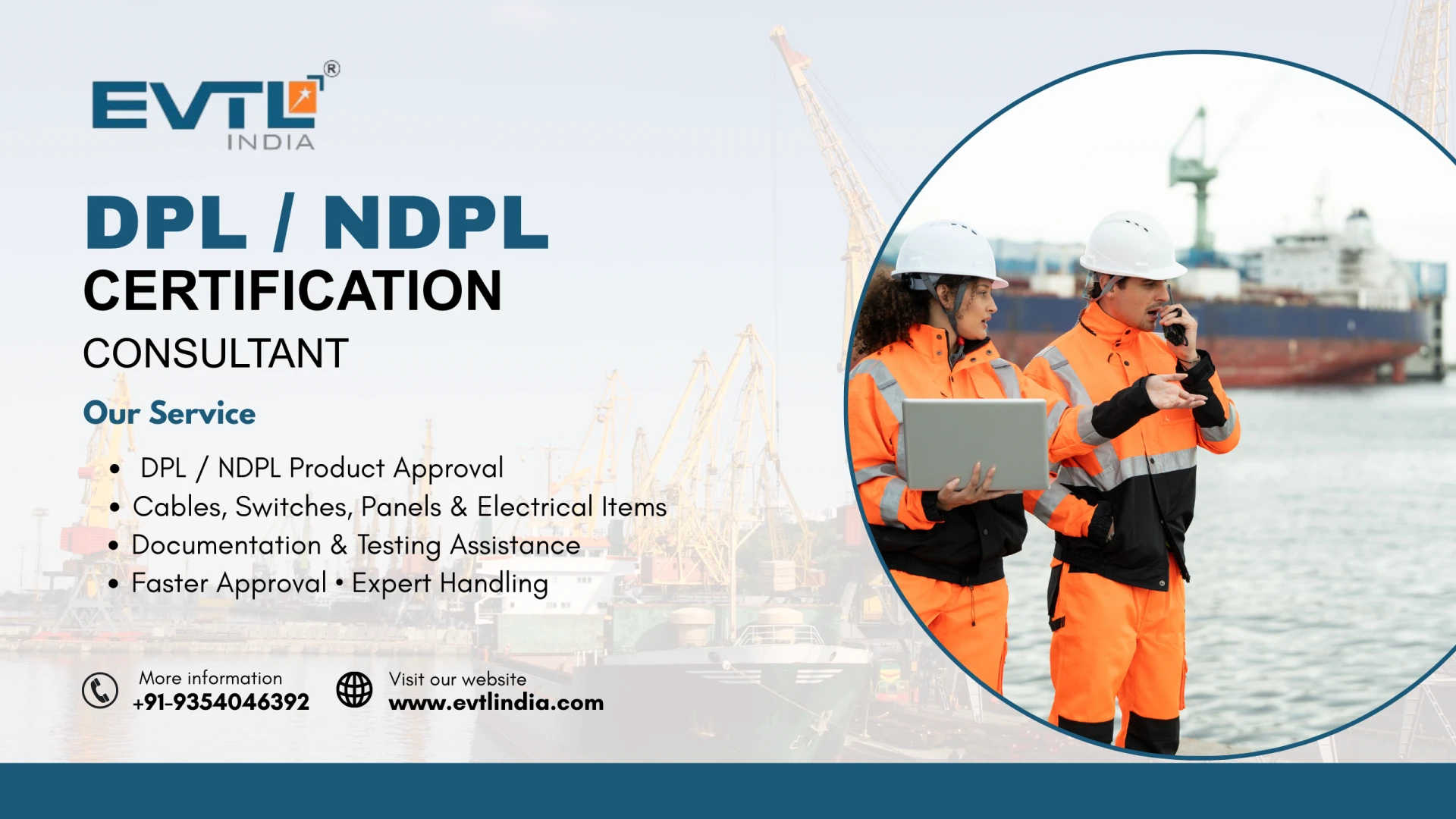
For professional support in DPL and NDPL certification, EVTL India offers expert consultancy services to help businesses navigate the licensing process smoothly and efficiently.















Sign in to leave a comment.