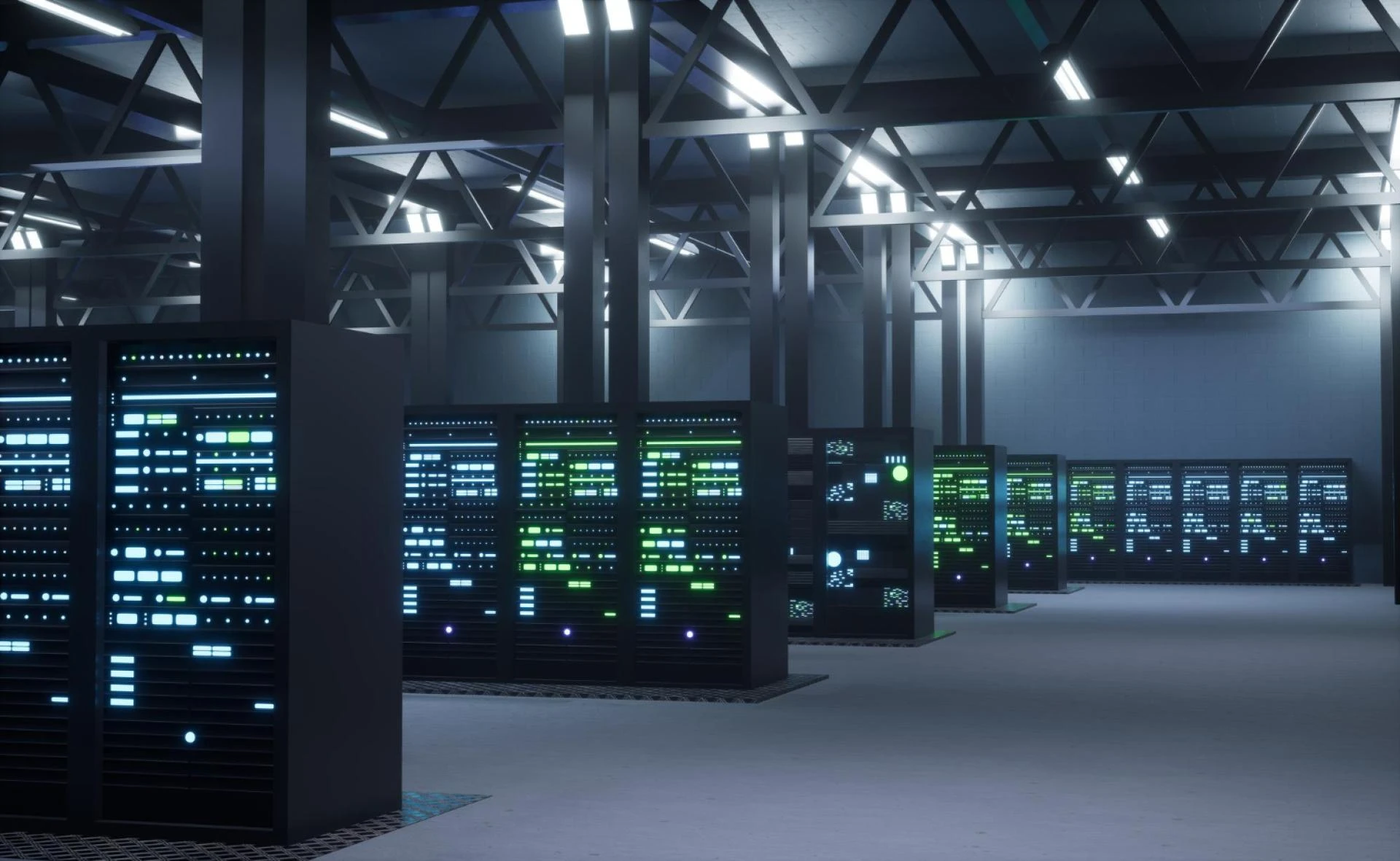

In today’s fast-paced digital environment, businesses rely heavily on their IT systems to deliver consistent performance and seamless user experiences. Any slowdown, outage, or inefficiency can directly impact productivity, revenue, and customer trust. This makes IT infrastructure performance optimization a critical priority for organizations aiming to stay competitive.
To achieve optimal performance, businesses must go beyond reactive troubleshooting and adopt a proactive approach that combines continuous monitoring with strategic planning.
Why Infrastructure Performance Optimization Matters
Modern IT environments are complex, often involving hybrid systems, cloud platforms, and interconnected applications. Without proper oversight, even minor issues can escalate into major disruptions.
Optimizing infrastructure performance helps organizations:
- Minimize downtime and service interruptions
- Improve application speed and reliability
- Enhance user satisfaction and experience
- Reduce operational costs through efficient resource usage
- Support scalability as business demands grow
However, achieving these outcomes requires real-time visibility and informed decision-making.
The Role of Continuous Monitoring
Continuous monitoring forms the foundation of effective infrastructure management. It involves tracking system performance, resource usage, and potential issues in real time.
Instead of waiting for failures to occur, continuous monitoring enables IT teams to detect anomalies early and take corrective action before they impact users.
Key benefits include:
1. Real-time visibility
Monitoring tools provide insights into CPU usage, memory consumption, network latency, and application performance. This allows teams to quickly identify bottlenecks.
2. Faster issue resolution
With alerts and automated notifications, teams can respond to incidents immediately, reducing downtime and mean time to resolution.
3. Data-driven decisions
Historical performance data helps organizations understand trends, predict future needs, and optimize resources effectively.
4. Improved system reliability
By identifying recurring issues and weak points, organizations can strengthen their infrastructure and prevent repeated failures.
Continuous monitoring is not just about collecting data. It is about turning that data into actionable insights that drive performance improvements.
The Importance of Strategic Planning
While monitoring provides visibility, planning ensures long-term efficiency and scalability. Without a clear strategy, organizations risk overprovisioning resources or facing capacity shortages during peak demand.
Strategic planning in IT infrastructure focuses on aligning technology with business goals. It includes:
Capacity planning
Understanding current usage patterns and forecasting future demand helps ensure that systems can handle growth without performance degradation.
Resource optimization
Planning enables better allocation of compute, storage, and network resources, reducing waste and controlling costs.
Risk management
Identifying potential risks and preparing contingency plans ensures business continuity in case of unexpected failures.
Scalability planning
Organizations can design infrastructure that grows with their needs, whether through cloud scaling, load balancing, or modular architecture.
When combined with continuous monitoring, planning becomes more accurate and effective, as decisions are based on real data rather than assumptions.
Combining Monitoring and Planning for Maximum Impact
The true value of IT infrastructure performance optimization lies in integrating monitoring and planning into a unified strategy.
Here’s how organizations can achieve this:
1. Establish performance baselines
Use monitoring tools to define normal performance levels. This helps in identifying deviations and setting realistic benchmarks.
2. Leverage predictive analytics
Analyze historical data to anticipate future trends, such as traffic spikes or resource demands.
3. Automate routine tasks
Automation reduces manual effort and ensures consistent performance optimization processes, such as scaling resources or resolving common issues.
4. Implement proactive maintenance
Schedule updates, patches, and system checks based on monitoring insights to prevent unexpected failures.
5. Continuously refine strategies
Performance optimization is an ongoing process. Regularly review data, adjust plans, and improve infrastructure design to keep up with evolving requirements.
Best Practices for Sustainable Optimization
To maintain long-term performance and efficiency, organizations should follow these best practices:
- Adopt centralized monitoring tools for unified visibility across systems
- Set clear performance metrics and KPIs aligned with business objectives
- Integrate monitoring with incident management systems for faster response
- Regularly review capacity plans and update them based on actual usage
- Invest in scalable infrastructure solutions such as cloud platforms
- Train IT teams to interpret monitoring data and take proactive actions
These practices ensure that optimization efforts remain consistent and effective over time.
Conclusion
Optimizing infrastructure performance is no longer a one-time initiative. It is a continuous process that requires real-time insights and strategic foresight. By combining continuous monitoring with thoughtful planning, organizations can build resilient, efficient, and scalable IT environments.
A proactive approach to IT infrastructure performance optimization not only reduces risks and costs but also empowers businesses to deliver better experiences and adapt quickly to changing demands.


























Sign in to leave a comment.