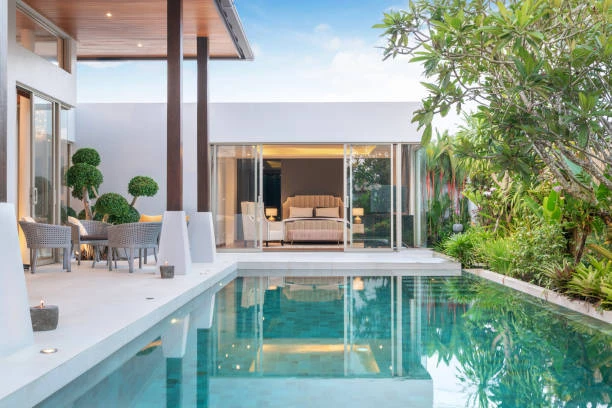

When it comes to building or remodeling a swimming pool, one of the most important decisions you'll make is choosing the right finish. The pool finish impacts not only how your pool looks but also how it feels, how long it lasts, and how much maintenance it requires. Jordan Hidalgo of Largo, FL shares expert insights to help you choose a pool finish that balances beauty, durability, and performance.
Understanding the Purpose of a Pool Finish
A pool finish is the final layer applied to the interior of your pool. It seals the surface, provides waterproofing, and creates the color and texture of the pool’s interior. The finish significantly affects:
- Visual appearance
- Texture and comfort underfoot
- Water clarity and color
- Longevity and durability
- Ease of maintenance
With several options available, choosing the right one depends on your budget, design goals, and how you plan to use your pool.
Popular Pool Finish Options Explained
1. Plaster (Marcite)
Overview: The traditional and most affordable pool finish. It's a mixture of white cement and marble dust.
Pros:
- Smooth texture
- Budget-friendly
- Classic bright blue appearance
Cons:
- Prone to staining and etching
- Requires more frequent resurfacing (every 5–7 years)
Best For: Homeowners looking for a clean, simple finish on a budget.
2. Pebble Finish
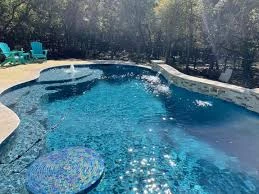
Overview: A blend of cement and natural pebbles, this finish is more durable and visually appealing.
Pros:
- Extremely durable (lasts 15–20 years)
- Rich, natural textures and colors
- Resistant to staining and chemicals
Cons:
- Higher upfront cost
- Textured surface may feel rough to some
Best For: Those prioritizing long-term value, durability, and a natural look.
3. Quartz Finish
Overview: A mix of plaster and crushed quartz, offering a polished appearance and better durability than plain plaster.
Pros:
- Smooth and elegant appearance
- More durable and stain-resistant than plaster
- Offers various color options
Cons:
- Costs more than standard plaster
- Slightly less durable than pebble finishes
Best For: Homeowners wanting a beautiful, polished look with improved lifespan over plaster.
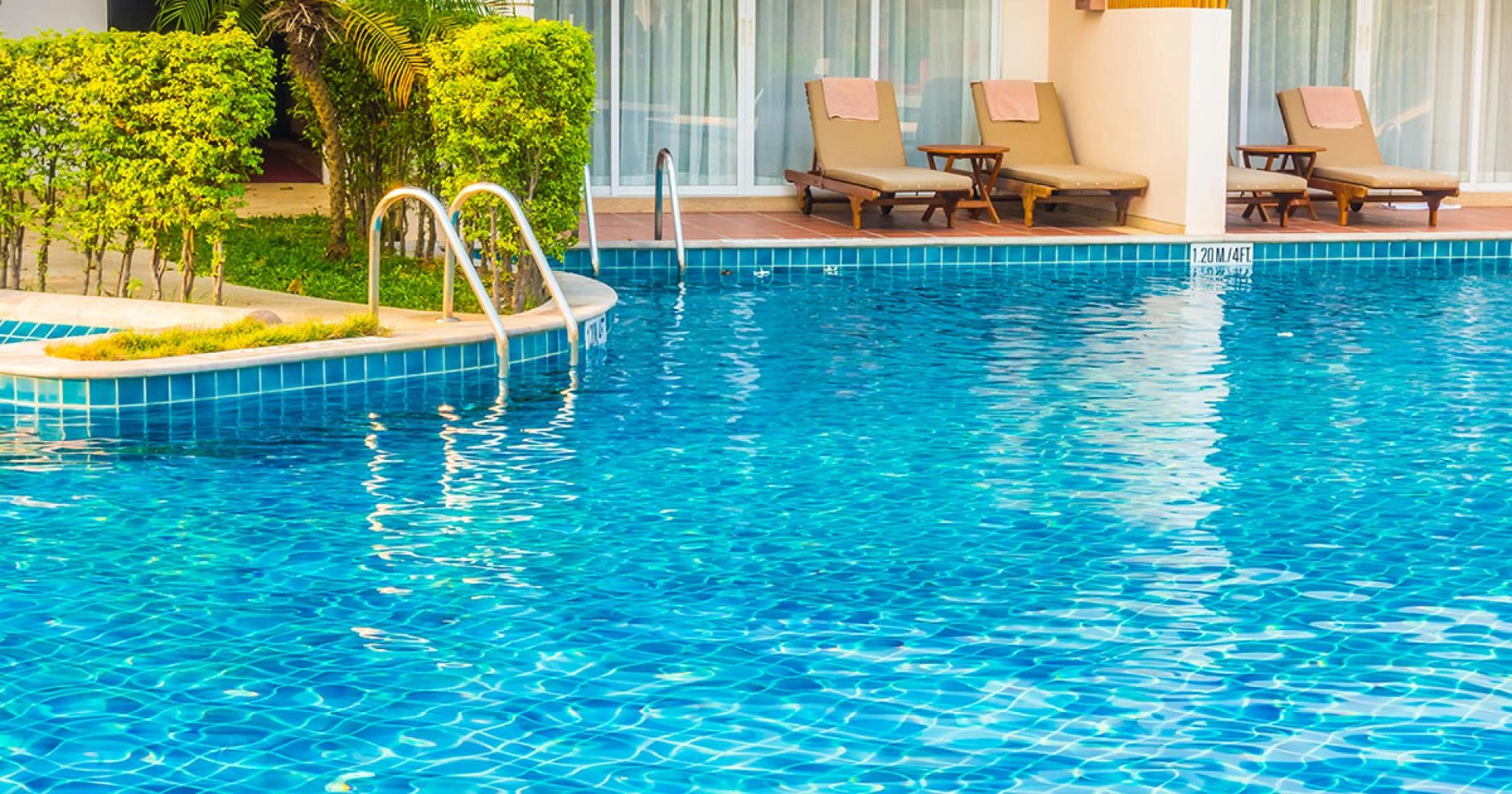
4. Tile Finish (Ceramic, Porcelain, or Glass)
Overview: The most luxurious and long-lasting pool finish, tile can cover the whole pool or just waterline accents.
Pros:
- Ultra-durable and long-lasting
- Unlimited design and color options
- Easy to clean and maintain
Cons:
- Most expensive option
- Labor-intensive installation
Best For: High-end pool projects or those seeking a unique, custom design.
Factors to Consider When Choosing a Pool Finish
1. Budget
Plaster is the most economical, while tile is the most premium. Consider both the initial investment and long-term maintenance when budgeting.
2. Aesthetic Preferences
Do you want a smooth classic look or a more natural, rustic appearance? Pebble and tile finishes offer diverse design possibilities, while plaster and quartz provide clean, traditional finishes.
3. Maintenance and Durability
Plaster requires more frequent refinishing, while pebble and quartz offer better longevity. Tile is virtually maintenance-free but expensive upfront.
4. Water Color Effect
Your finish dramatically influences the water’s appearance:
- White plaster = bright blue water
- Darker quartz = deep blue or green hues
- Pebble with colored stones = natural lagoon look
Choose a finish that aligns with the ambiance you want to create.
Final Thoughts
Choosing the right pool finish is a balance between aesthetics, performance, and longevity. By understanding the pros and cons of each material—and how they align with your goals—you can enjoy a swimming experience that is both visually stunning and built to last.
Whether you’re renovating or starting from scratch, selecting the right pool finish is one of the most important decisions you'll make for long-term enjoyment. And with expert guidance from professionals like Jordan Hidalgo, you’re sure to make a choice that pays off for years to come.



























Sign in to leave a comment.