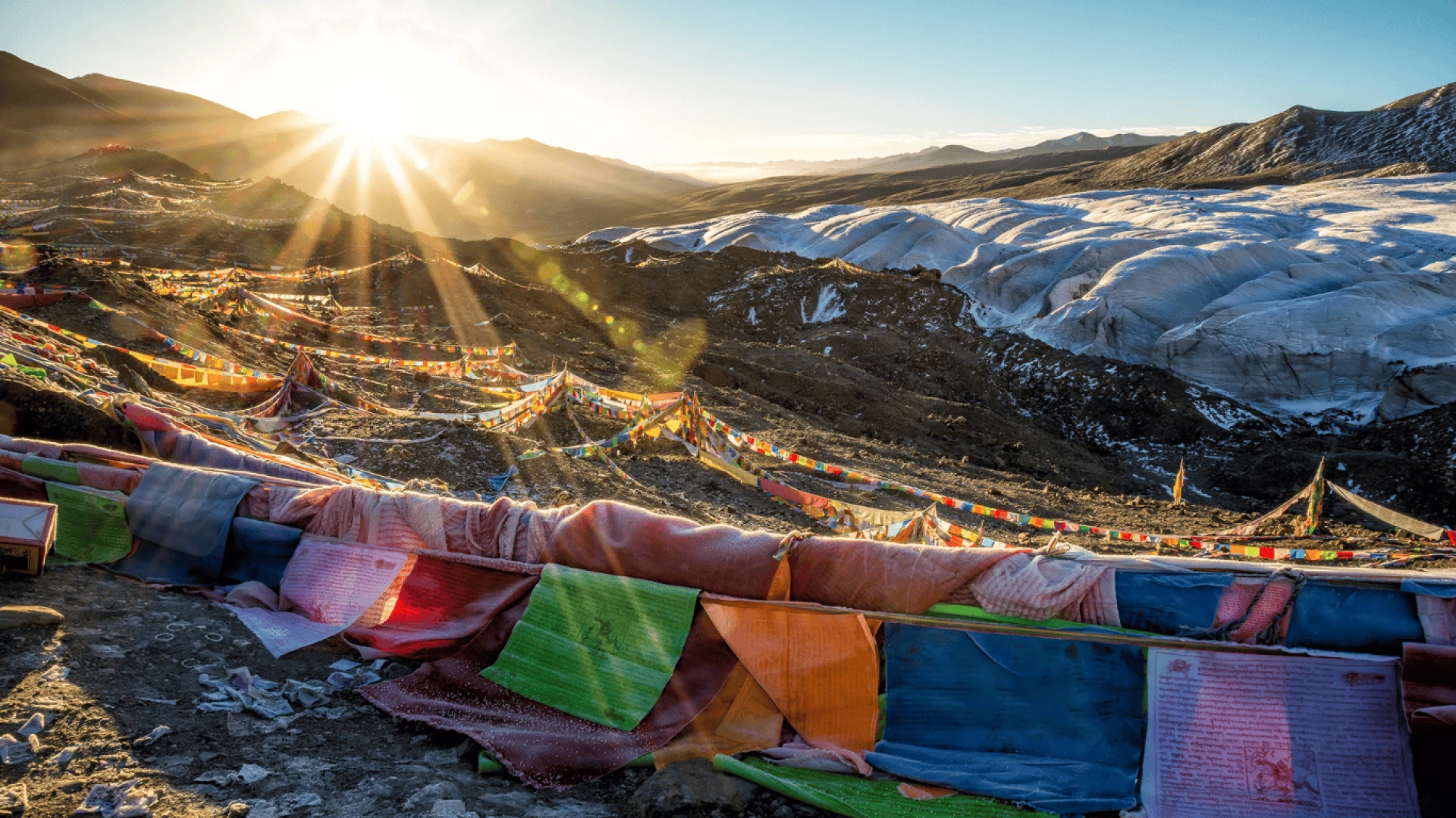
If you’ve ever dreamed of walking through alpine meadows dotted with wildflowers, crossing glacier-fed streams, and gazing at emerald-blue lakes framed by snow-capped peaks, the Kashmir Great Lakes Trek is where dreams meet reality. Often described as the crown jewel of Indian treks, this trail reveals Kashmir’s untouched beauty in its purest form.
Why the Kashmir Great Lakes Trek is a Must-Do
The Kashmir Great Lakes Trek isn’t just a hike—it’s an experience that immerses you in the poetry of nature. Stretching over 70–75 km, this moderate-to-difficult trek offers breathtaking views of seven pristine lakes, each with a unique color, character, and charm.
Highlights of the trek include:
- Walking through flower-filled meadows like Nichnai and Gadsar.
- Witnessing the snow-covered peaks of Harmukh and Gadsar Pass.
- Camping beside crystal-clear alpine lakes like Vishansar, Kishansar, and Gangbal.
- Experiencing the unparalleled hospitality of Kashmiri locals.
With Juniper Outdoor organizing guided expeditions, trekkers can focus on soaking in the scenery while professionals handle logistics, permits, and safety.
Best Time to Do the Kashmir Great Lakes Trek
Timing is everything when it comes to the Kashmir Great Lakes Trek. The ideal season runs from late June to early September, when the meadows are lush, the snow melts enough to clear trails, and the lakes shimmer in full color.
Month-by-Month Overview
- June: The trail begins to open; patches of snow remain. Lakes are partially frozen.
- July: Wildflowers bloom in full swing—arguably the most photogenic month.
- August: Weather remains stable, with clear skies and moderate temperatures.
- September: Slight chill returns, perfect for those who enjoy solitude and cooler air.
Route Overview of the Kashmir Great Lakes Trek
The trek usually begins at Sonamarg, about 80 km from Srinagar, and concludes at Naranag, a scenic drive away. It takes 7–8 days on average, covering mesmerizing valleys and passes.
Day-Wise Itinerary
- Srinagar to Sonamarg (Drive) – Basecamp setup and acclimatization.
- Sonamarg to Nichnai – Meadows and streams set the tone for the trek.
- Nichnai to Vishansar Lake via Nichnai Pass – The first alpine lake encounter.
- Vishansar to Gadsar via Kishansar Lake and Gadsar Pass – Panoramic views of twin lakes.
- Gadsar to Satsar – Trek through valleys filled with wildflowers.
- Satsar to Gangbal Twin Lakes – One of the most enchanting sections.
- Gangbal to Naranag – A long descent ending with a feeling of fulfillment.
Each day reveals new terrains—lush meadows, rocky ridges, and serene water bodies—making it one of the most diverse treks in India.
The Beauty of the Great Lakes of Kashmir
Vishansar Lake
Known as the “Lake of Lord Vishnu,” Vishansar sits at an elevation of 12,000 ft. Its turquoise hue and surrounding meadows make it a dream for photographers.
Kishansar Lake
Just a short trek from Vishansar, Kishansar’s deep blue waters reflect the towering peaks nearby. It’s a perfect picnic spot for trekkers before crossing Gadsar Pass.
Gadsar Lake
Surrounded by snow patches even in mid-summer, Gadsar is often called the “Lake of Flowers.” It’s also a great camping site under a star-lit sky.
Satsar Lakes
A series of seven interconnected lakes hidden amidst rocky terrain, offering a surreal, mystical experience.
Gangbal and Nundkol Lakes
Resting at the base of Mount Harmukh, these twin lakes mark the end of the trek and the beginning of countless memories.
Difficulty Level and Fitness Requirements
The Kashmir Great Lakes Trek is graded as moderate to difficult, suitable for trekkers with some prior experience. Daily walking distances range from 10–12 km with ascents and descents across mountain passes exceeding 13,000 ft.
Recommended Preparation:
- Cardio: Running or brisk walking 4–5 km daily for endurance.
- Strength Training: Focus on legs and core muscles.
- Acclimatization: Arrive a day early in Srinagar to adjust to altitude.
With professional guidance from Juniper Outdoor, even first-timers can undertake this journey safely with proper preparation.
Permits, Safety, and Local Regulations
Trekkers must obtain permits from the Tourism Department of Jammu & Kashmir. Carry valid ID proof and follow Leave No Trace principles.
Safety Tips:
- Always trek with certified guides and local support teams.
- Carry a reusable water bottle and purification tablets.
- Avoid littering or disturbing local flora and fauna.
- Respect cultural sentiments of nearby villages.
Juniper Outdoor ensures all expeditions adhere to eco-conscious and safety-first standards.
What to Pack for the Kashmir Great Lakes Trek
Packing wisely ensures comfort and safety throughout the trek.
Essential Gear:
- Trekking shoes with ankle support
- Layered clothing (base, mid, and waterproof outer layer)
- Trekking poles and gaiters
- Personal medication and first aid kit
- Headlamp, power bank, and waterproof bag covers
Optional Comforts:
- Lightweight camera
- Energy bars and trail mix
- Portable charger for devices
Accommodation and Food During the Trek
Accommodation is typically in high-quality alpine tents, with meals prepared fresh daily. Expect warm breakfasts, packed lunches, and hearty dinners. Vegetarian meals are standard, with occasional treats like Kashmiri kahwa to warm cold evenings.
Flora and Fauna on the Kashmir Great Lakes Trek
Expect to see a stunning variety of Himalayan flora—blue poppies, buttercups, daisies, and primulas. Wildlife enthusiasts may also spot Himalayan marmots, snow pigeons, and even the elusive ibex in higher reaches.
Photography Tips for the Kashmir Great Lakes Trek
- Capture reflections of peaks in early morning light at Vishansar or Gangbal.
- Use polarizing filters to accentuate lake colors.
- Keep spare batteries—temperatures can drain them quickly.
- Respect nature; avoid drones unless permitted.
Cultural Touchpoints Along the Trek
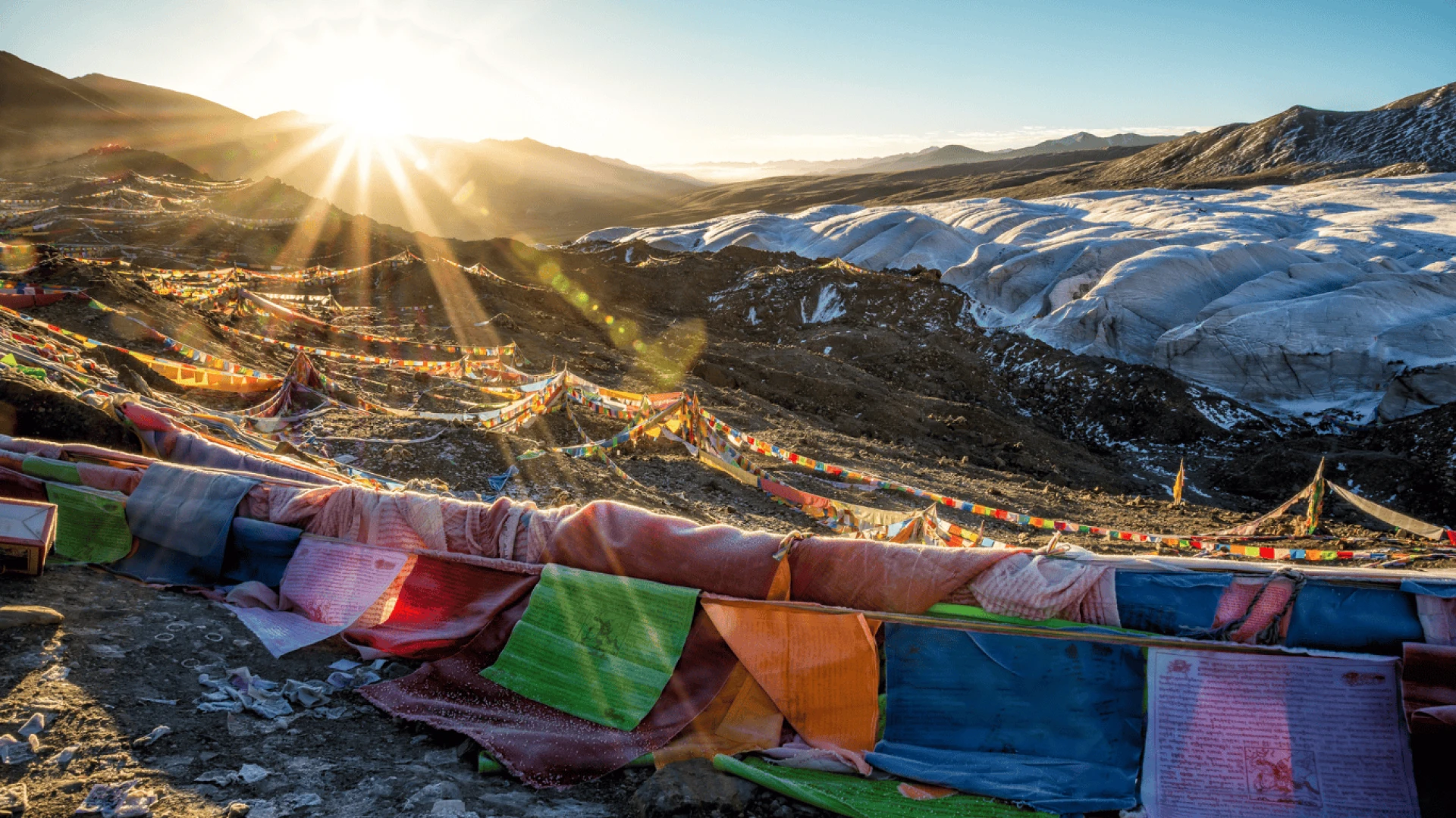
The trail offers a glimpse into authentic Kashmiri culture. Shepherds known as “Bakarwals” graze their flocks in these meadows, often sharing stories and smiles with trekkers. Small prayer stones and wooden huts add a rustic charm to the landscape.
Sustainability Practices on the Trek
Preserving the pristine beauty of this trek is everyone’s responsibility. Carry biodegradable waste bags, avoid single-use plastics, and camp responsibly. Joining eco-certified expeditions like those by Juniper Outdoor ensures minimal impact on the ecosystem.
Frequently Asked Questions
What is the best time to do the Kashmir Great Lakes Trek?
The trek is best done between late June and early September when the trails are clear, flowers bloom, and the lakes are vibrant.
How difficult is the trek?
It’s a moderate-to-difficult trek requiring good physical fitness. Daily trekking hours range from 6–8, with steep ascents and descents.
Are permits required for this trek?
Yes, trekking permits from the J&K Tourism Department are mandatory. Your trekking operator usually arranges them.
What kind of accommodation is provided?
Tents are provided throughout the trek, with sleeping bags and mats included. Some operators offer homestays on request.
Can beginners do this trek?
Yes, beginners with decent fitness levels can attempt it under guided supervision and adequate preparation.
Is mobile connectivity available during the trek?
Mobile networks are available in Sonamarg and Naranag, but expect limited or no connectivity during the trek.
The Kashmir Great Lakes Trek is more than a journey—it’s a pilgrimage to nature’s most artistic creations. With the right preparation and the support of experts from Juniper Outdoor, you’ll return with memories etched deeper than the lakes themselves.
























Sign in to leave a comment.