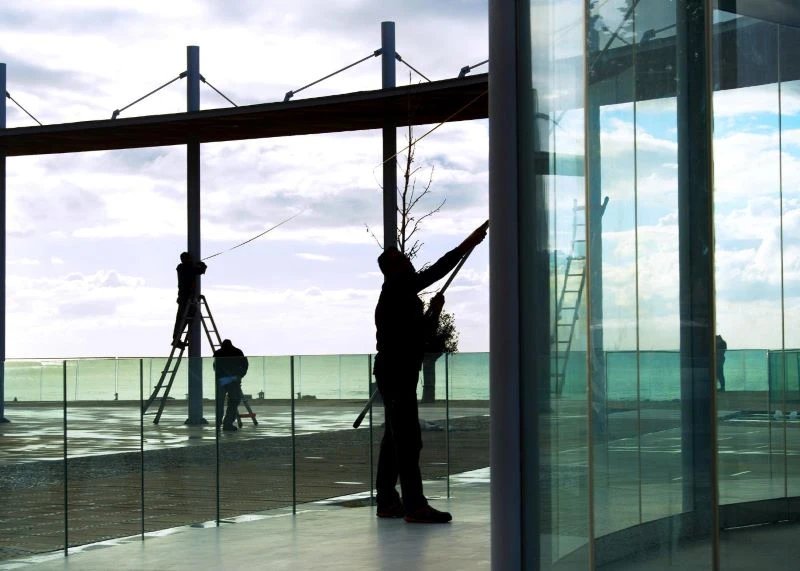

When the dust settles after a construction project, the job isn't quite done. Commercial post-construction cleaning is the final step that brings the site from a chaotic mess to a polished, safe environment. But it's not just about tidying up. It’s about ensuring that the site is safe for everyone who steps foot on it. Let’s dive into why this process is crucial and how to do it right.
Why Post-Construction Cleaning Is Important
Safety First
After the construction crew leaves, the site is often littered with debris, dust, and even hazardous materials. Nails, shards of glass, and leftover building supplies are just a few examples. These can be dangerous, leading to accidents or health issues if not properly removed. A thorough cleaning makes the site safe for workers and future occupants.
Health Considerations
Construction dust isn’t just unsightly; it can also be harmful if inhaled. Dust from materials like drywall or concrete can cause respiratory problems. Cleaning up this dust is essential to creating a healthy environment, whether it's for employees, tenants, or visitors.
Meeting Regulations
In many areas, commercial buildings must meet specific cleanliness standards before they can be occupied. Failing to properly clean a site can delay the opening of a business or even result in fines. Post-construction cleaning ensures that all regulations are met, allowing the building to be used as intended without any legal hassles.
Steps to Effective Post-Construction Cleaning
1. Assess the Site
Before any cleaning begins, walk through the site to understand what needs to be done. Identify areas with the most debris, check for any hazardous materials, and make note of what tools and supplies you'll need.
2. Remove Large Debris
Start by clearing out any large pieces of debris, such as leftover materials, trash, and packaging. This step makes it easier to focus on the finer details later.
3. Dust and Vacuum
Dust can settle on every surface after construction, from walls to windowsills to floors. Use high-powered vacuums with HEPA filters to capture fine dust particles, and wipe down surfaces with microfiber cloths to ensure no dust is left behind.
4. Clean Windows and Mirrors
Windows and mirrors often get overlooked, but they can collect a lot of dust during construction. Clean them thoroughly to ensure they are streak-free and clear.
5. Sanitize Restrooms and Kitchens
These areas require special attention because they are often used immediately after the construction. Clean and sanitize all surfaces, ensuring they are safe and ready for use.
6. Final Touches
Finish by mopping floors, wiping down fixtures, and ensuring everything is in its place. A final walkthrough can help spot any missed areas that need attention.
Keeping Workers Safe During the Cleaning Process
Use Protective Gear
Cleaning a construction site can expose workers to dust, chemicals, and sharp objects. Always wear protective gear like gloves, masks, and safety goggles to prevent injuries and health problems.
Proper Training
Make sure everyone involved in the cleaning process knows how to handle the tools and materials they will encounter. This includes knowing how to safely dispose of hazardous materials.
Ventilation
Ensure the area is well-ventilated during cleaning, especially when using chemicals. This helps reduce the risk of inhaling harmful fumes.
Regular Breaks
Post-construction cleaning can be physically demanding. Encourage workers to take regular breaks to prevent fatigue and ensure they stay alert throughout the process.
Conclusion
Commercial post construction cleaning is more than just a final step in a construction project; it's a critical process for ensuring the safety and well-being of anyone who enters the building. By following the proper steps and prioritizing safety, you can transform a construction site into a clean, safe space ready for use.


























Sign in to leave a comment.