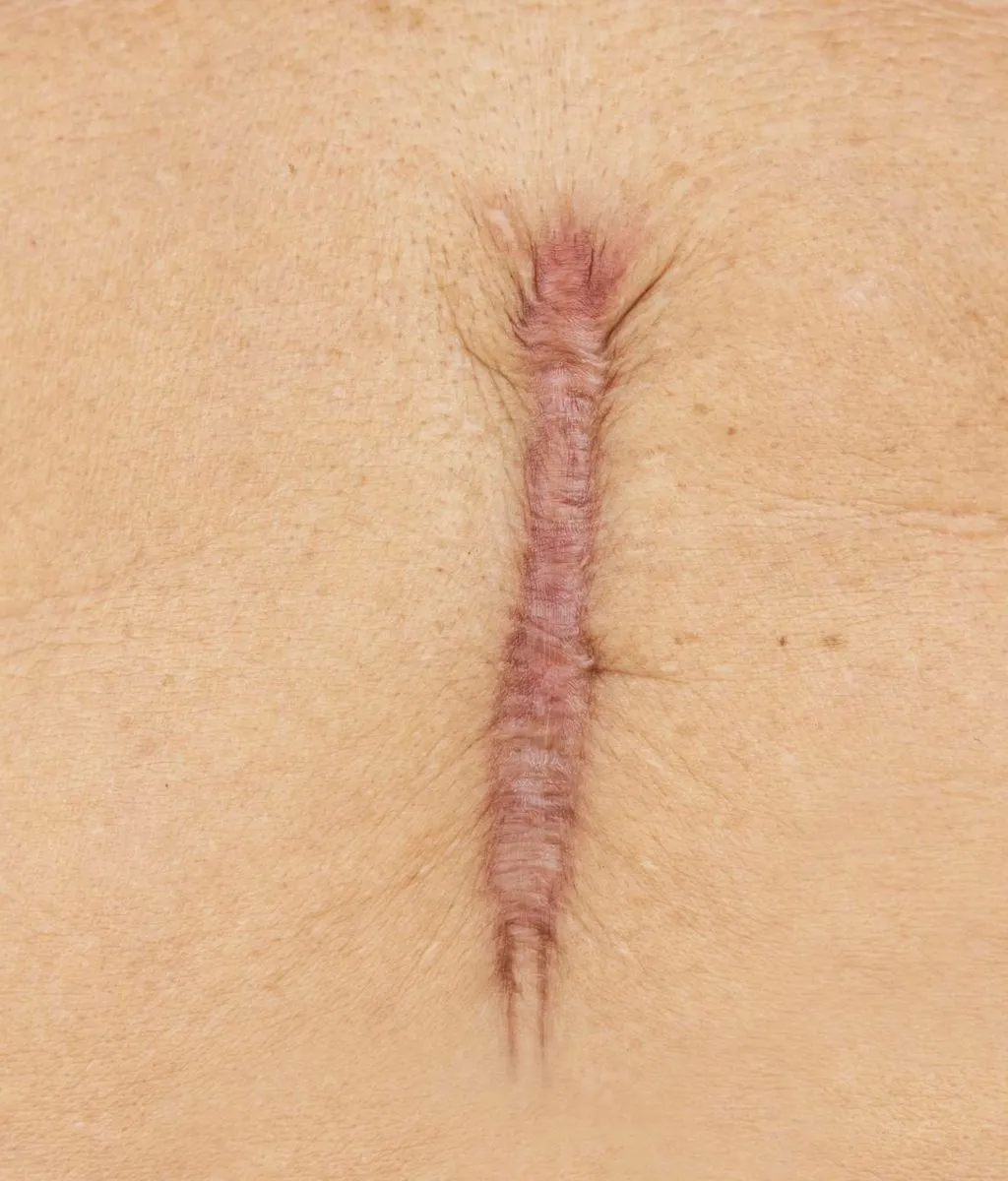

When it comes to abnormal scar formation, many people feel confused about the differences between common types. Understanding how each condition develops helps you choose the right treatment and avoid worsening the issue. This guide explains the key distinctions, causes, and care options so you can make informed decisions about your skin health.
What Are Keloids and Raised Scars
Both conditions are types of raised scars that form after skin injury. They develop when the body produces excess collagen during the healing process. While they may appear similar at first, their behavior and progression are quite different.
At Plastic Surgery Art and Science Institute, specialists focus on accurate diagnosis and personalized treatment planning to improve both appearance and comfort.
Key Differences You Should Know
Understanding the differences helps you identify what you may be experiencing.
- Growth pattern
One type tends to grow beyond the original wound area
The other remains limited to the injury site - Appearance
One may look shiny and extend outward
The other appears thick but more contained - Texture
One is often firm and rubbery
The other is raised but slightly softer - Recurrence
One has a higher chance of returning after removal
The other is less likely to come back
What Causes These Skin Conditions
Several factors influence how scars develop.
- Skin injuries such as cuts, burns, or surgical incisions
- Piercings, especially on sensitive areas like ears
- Acne or inflammation
- Genetic predisposition
- Hormonal influences
If you are prone to abnormal scarring, even minor injuries can lead to noticeable changes in skin texture.
Keloids Ear Explained
This condition commonly develops after ear piercings or trauma. It appears as a thick, raised growth that extends beyond the original site of injury.
You may notice:
- A smooth, rounded lump on or around the ear
- Continuous growth over time
- Itching or tenderness
- Cosmetic concerns due to visible location
Early evaluation can help prevent further enlargement and guide proper care.
Hypertrophic Scar Explained
This type of scar forms within the boundaries of the original wound. It often develops after surgery, burns, or deep cuts.
You may observe:
- A raised but contained scar
- Red or pink coloration initially
- Gradual improvement over time
- Possible itching or mild discomfort
Unlike more aggressive scar types, this condition may improve naturally with proper care.
Risk Factors to Consider
Certain individuals are more likely to develop raised scars.
- Family history of abnormal scarring
- Younger age groups
- Areas of high skin tension
- Delayed wound healing
- Repeated trauma to the same area
Understanding your risk helps you take preventive steps after any skin injury.
How to Identify the Right Condition
Accurate identification is essential for effective treatment.
- Look at the size and spread of the scar
- Monitor whether it grows beyond the original wound
- Pay attention to changes over time
- Seek professional evaluation if unsure
A qualified specialist will assess your skin and recommend the most suitable approach.
Treatment Options Available
Modern treatments focus on reducing size, improving texture, and preventing recurrence.
- Silicone gel or sheets to flatten the scar
- Steroid injections to reduce inflammation
- Laser therapy to improve color and texture
- Surgical removal in selected cases
- Pressure therapy for specific areas
At Plastic Surgery Art and Science Institute, treatment plans are tailored to each patient for optimal results and long term improvement.
How to Care for Your Skin After Injury
Proper care reduces the risk of abnormal scarring.
- Keep the wound clean and protected
- Avoid unnecessary tension on healing skin
- Follow medical advice for dressings and ointments
- Protect the area from sun exposure
- Avoid picking or scratching
These steps support healthy healing and minimize complications.
Prevention Tips You Can Follow
Preventing raised scars is often easier than treating them later.
- Choose professional piercing services
- Treat acne and skin conditions early
- Use recommended scar care products
- Attend follow up appointments after procedures
- Inform your doctor about any history of abnormal scars
Taking proactive measures can significantly reduce the likelihood of developing noticeable scars.
Emotional and Cosmetic Impact
Visible scars can affect how you feel about your appearance. Many people experience:
- Reduced confidence in social settings
- Hesitation to wear certain styles
- Increased self awareness about skin imperfections
Seeking treatment not only improves physical appearance but also enhances overall confidence.
When to See a Specialist
You should consider professional evaluation if:
- The scar continues to grow
- You experience pain or discomfort
- The appearance affects your confidence
- Home treatments do not show improvement
Early intervention often leads to better outcomes and less invasive solutions.
Final Thoughts
Understanding the difference between keloids ear and hypertrophic scar helps you take the right steps toward treatment and prevention. Each condition requires a specific approach, and professional guidance ensures safe and effective care.
If you notice unusual scar growth, do not ignore it. With the right expertise and timely treatment, you can achieve smoother skin and restore confidence in your appearance.

























Sign in to leave a comment.