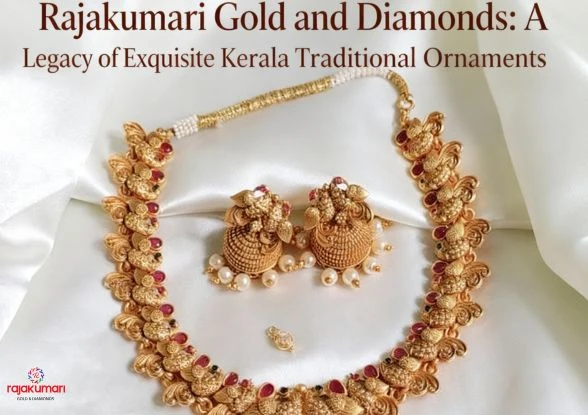

Kerala is a land where culture is not just preserved but proudly worn. One of the most beautiful reflections of this heritage is seen in Kerala traditional ornaments. These ornaments are more than decorative pieces; they are symbols of tradition, status, artistry, and emotional value passed down through generations.
From temple festivals to grand weddings, traditional jewelry plays a central role in Kerala’s identity. Each ornament tells a story rooted in history, craftsmanship, and cultural pride.
The Cultural Importance of Traditional Jewelry in Kerala
In Kerala, jewelry is deeply connected to rituals and celebrations. Gold ornaments are considered auspicious and are an essential part of bridal attire, classical dance performances, and religious occasions.
These ornaments are not selected randomly. Every piece has a meaning:
- Mango-shaped designs symbolize fertility and prosperity
- Coin necklaces represent wealth and divine blessings
- Temple motifs reflect devotion and spirituality
This deep symbolism is what makes Kerala jewelry stand apart from modern, trend-based designs.
Popular Types of Kerala Traditional Ornaments
Kerala’s jewelry designs are distinctive and instantly recognizable. Some of the most iconic pieces include:
- Kasu Mala (coin necklace)
- Palakka Mala (leaf-shaped gemstone necklace)
- Mullamottu Mala (jasmine bud design)
- Lakshmi Mala (goddess motif necklace)
- Jimikki earrings
- Oddiyanam (waist belt)
- Vanki (armlet)
These designs have remained relevant for centuries because of their elegance and cultural attachment.
Craftsmanship Behind the Beauty
The making of traditional ornaments requires exceptional skill. Artisans spend hours carving intricate details inspired by temple architecture, nature, and mythology.
Unlike machine-made jewelry, these pieces are handcrafted with precision. The detailing, symmetry, and finish reflect the dedication and mastery of Kerala’s goldsmiths.
This craftsmanship ensures that every ornament is not just jewelry but a work of art.
Role in Kerala Bridal Tradition
A Kerala bride is incomplete without layers of traditional gold ornaments. The bridal look is carefully curated with multiple necklaces, bangles, earrings, waist belts, and hair accessories.
This tradition is not only about beauty but also about blessings, prosperity, and family pride. Many brides wear heirloom ornaments passed down from their mothers and grandmothers, making the occasion emotionally significant.
Even today, modern brides prefer traditional designs over contemporary styles for their wedding day.
Why Kerala Traditional Designs Are Still in Demand
Despite changing fashion trends, traditional Kerala ornaments continue to be highly demanded. The reasons are clear:
- Timeless designs that never go out of style
- Strong cultural and emotional value
- High gold purity and investment value
- Suitable for weddings, festivals, and special occasions
Younger generations are now rediscovering the charm of these classic designs and choosing them for both traditional and modern outfits.
Blending Tradition with Modern Elegance
Today, jewelers are creatively blending traditional motifs with lightweight, wearable designs. This allows people to enjoy the elegance of heritage ornaments without compromising on comfort.
This fusion approach ensures that Kerala’s traditional jewelry remains relevant in contemporary fashion while preserving its original essence.
To understand the legacy, artistry, and timeless appeal of Kerala traditional ornaments, exploring detailed insights into their history and designs offers a deeper appreciation of this heritage.
Investment Value of Traditional Gold Jewelry
Apart from cultural beauty, Kerala ornaments are also considered a wise investment. High-quality gold, intricate workmanship, and lasting demand ensure that these pieces retain and often increase in value over time.
Families often treat these ornaments as assets that can be passed on to future generations.
Preserving Heritage Through Jewelry
Every traditional ornament is a piece of Kerala’s history. Wearing these designs is a way of preserving heritage and honoring the artistry of previous generations.
As trends come and go, these ornaments remain timeless reminders of where we come from and the traditions that shape us.
Conclusion
Kerala traditional ornaments are not just jewelry; they are living symbols of culture, elegance, and legacy. Their intricate designs, deep meanings, and emotional value make them treasures beyond price.
























Sign in to leave a comment.