

Post-Traumatic Stress Disorder (PTSD) is a mental health condition triggered by experiencing or witnessing a traumatic event. Symptoms may include flashbacks, nightmares, severe anxiety, and uncontrollable thoughts about the event. Traditional treatments such as psychotherapy and medication can be effective, but not for everyone. Recently, Ketamine therapy has emerged as a promising alternative, offering hope to those who have not found relief through conventional means. This article explores how Ketamine can be used for PTSD treatment in Orange County and why it is considered an innovative approach to addressing trauma.
Understanding PTSD and Its Challenges
PTSD affects millions of people worldwide. It can arise from various traumatic experiences, including military combat, sexual assault, natural disasters, and serious accidents. The condition can be debilitating, significantly impacting a person's quality of life, relationships, and ability to function daily.
Traditional treatments for PTSD typically include:
Psychotherapy:Cognitive-behavioral therapy (CBT), particularly trauma-focused CBT, is commonly used. Eye Movement Desensitization and Reprocessing (EMDR) is another effective method.Medications:Antidepressants like SSRIs (Selective Serotonin Reuptake Inhibitors) are often prescribed to manage symptoms.While these treatments can be beneficial, they are not always effective for everyone. Some patients may not respond well to therapy, and medications can have undesirable side effects. This has led researchers and clinicians to explore alternative treatments, such as Ketamine therapy.
What is Ketamine?
Ketamine is an anesthetic drug that has been used safely in medical settings for decades. It was initially used as a surgical anesthetic in the 1960s and has since gained attention for its rapid-acting antidepressant effects. Unlike traditional antidepressants, which can take weeks or even months to take effect, Ketamine can alleviate depressive symptoms within hours.
How Ketamine Works for PTSD
Ketamine's mechanism of action is different from that of typical antidepressants. It primarily works by blocking the NMDA receptor, a type of glutamate receptor in the brain. This action increases the levels of glutamate, a neurotransmitter associated with synaptic plasticity and neural communication. The result is the rapid formation of new neural connections, which can help "reset" the brain's neural pathways and improve mood and cognitive function.
For PTSD, Ketamine therapy can help reduce symptoms by:
Reducing Hyperarousal:Ketamine can decrease the heightened state of arousal and anxiety that is common in PTSD patients.Dissociative Effects:The dissociative properties of Ketamine can provide a temporary mental distance from traumatic memories, allowing patients to process their experiences more effectively.Neuroplasticity:By promoting the growth of new neural connections, Ketamine can help rewire the brain and mitigate the impact of traumatic memories.Ketamine Therapy in Orange County
In recent years, Ketamine therapy has gained popularity in various regions, including Orange County. Clinics specializing in PTSD treatment in Orange County offer Ketamine infusion therapy as part of their treatment programs. These clinics provide a safe, controlled environment where patients can receive Ketamine infusions under the supervision of medical professionals.
The Process of Ketamine Therapy
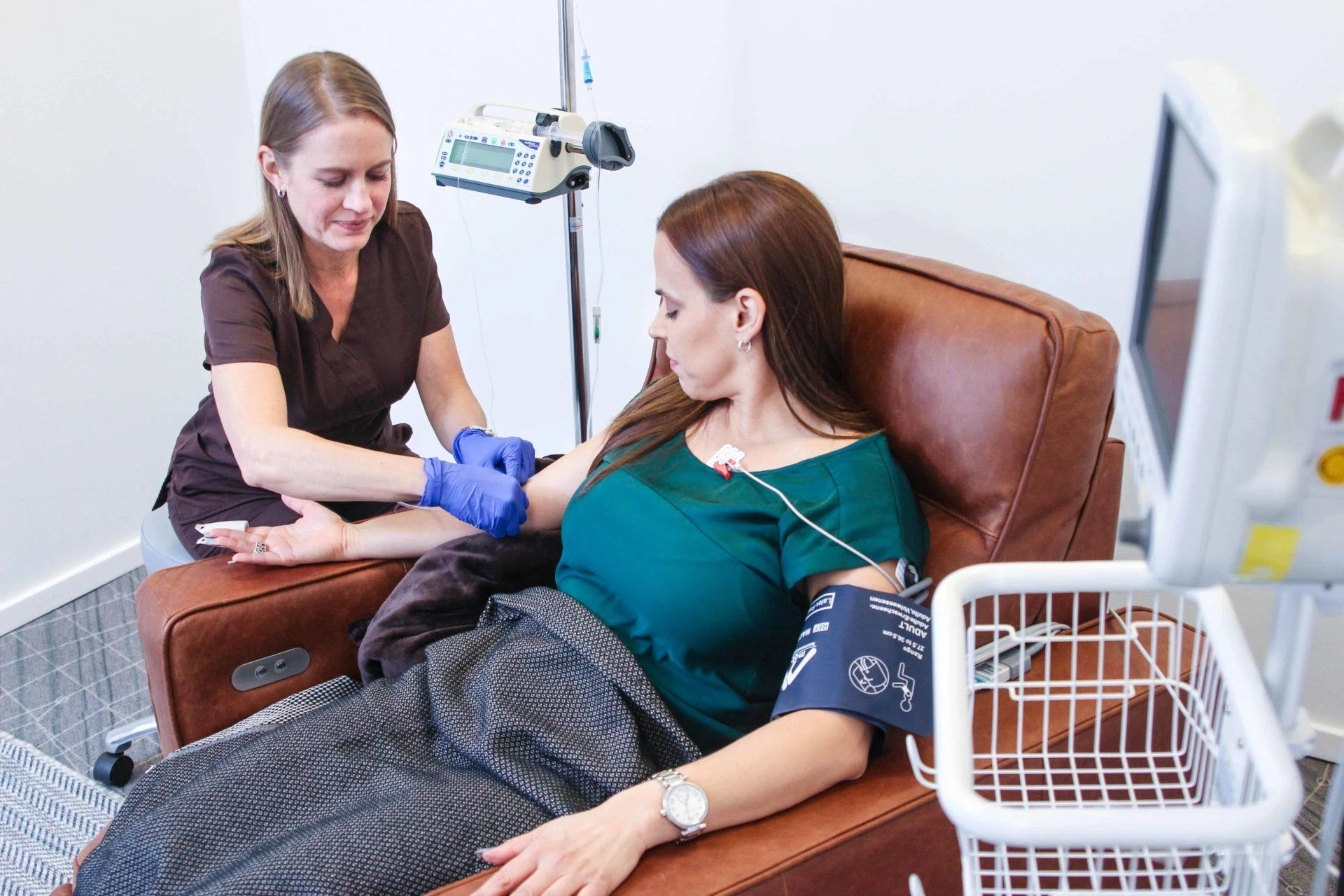
Ketamine therapy for PTSD typically involves a series of intravenous (IV) infusions. The process is as follows:
Initial Assessment:Before starting Ketamine therapy, patients undergo a thorough evaluation to determine their suitability for treatment. This includes a medical history review, psychiatric assessment, and discussion of previous treatments.Infusion Sessions:Patients receive a series of Ketamine infusions, usually over several weeks. Each session lasts about 40 minutes to an hour. Patients are monitored closely for any adverse reactions.Follow-Up Care:After the initial series of infusions, patients may require maintenance treatments to sustain the benefits. Follow-up care often includes psychotherapy to help patients integrate their experiences and develop coping strategies.Benefits and Risks of Ketamine Therapy
Benefits:
Rapid Relief:Ketamine can provide fast relief from PTSD symptoms, often within hours of the first infusion.Effectiveness for Treatment-Resistant Cases:Ketamine has been effective for patients who have not responded to other treatments.Enhanced Neuroplasticity:By promoting the growth of new neural connections, Ketamine can help the brain recover from the impacts of trauma.Risks:
Side Effects:While Ketamine is generally safe when administered in a controlled setting, it can cause side effects such as dizziness, nausea, and dissociation.Short-Term Relief:The effects of Ketamine can be temporary, requiring ongoing maintenance treatments.Abuse Potential:Ketamine has a potential for abuse, underscoring the importance of receiving treatment under professional supervision.Conclusion
Ketamine therapy represents a groundbreaking approach to PTSD treatment in Orange County and beyond. By offering rapid relief and addressing the neural impacts of trauma, Ketamine provides hope to those who have not found success with traditional treatments. As research continues and more clinics offer this innovative therapy, Ketamine may become an increasingly accessible and effective option for individuals struggling with PTSD. If you or a loved one is seeking new avenues for PTSD treatment, exploring Ketamine therapy with a qualified medical professional could be a transformative step toward healing.





Sign in to leave a comment.