

A vendor compliance program is a structured system that organizations use to ensure their vendors, suppliers, and third-party partners meet specific standards, regulations, and expectations. In industries like healthcare, retail, manufacturing, and finance, these programs are essential for managing risks, maintaining quality, and staying compliant with laws. A well-designed vendor compliance program helps businesses build trust, avoid penalties, and streamline operations. In this blog, we’ll break down the key components of a vendor compliance program and explain why each one matters.
What Is a Vendor Compliance Program?
A vendor compliance program is a set of policies, processes, and tools that an organization uses to monitor and manage its relationships with external vendors. These programs ensure that vendors adhere to legal requirements, industry standards, and the organization’s own rules. For example, a hospital might use a vendor compliance program to ensure that medical suppliers meet safety standards, while a retailer might use one to confirm that vendors follow labor and environmental regulations.
The goal is to create a consistent, transparent process for evaluating and working with vendors, reducing risks like fraud, non-compliance, or poor performance. Let’s explore the key components that make a vendor compliance program effective.
1. Clear Vendor Policies and Standards
The foundation of any vendor compliance program is a clear set of policies and standards. These outline what the organization expects from its vendors, including quality requirements, delivery timelines, ethical practices, and regulatory compliance. For example, a policy might require vendors to comply with labor laws, maintain data security standards, or provide products that meet specific certifications.
These policies should be detailed, easy to understand, and accessible to vendors. They should also align with industry regulations, such as the Health Insurance Portability and Accountability Act (HIPAA) for healthcare or the General Data Protection Regulation (GDPR) for businesses handling personal data. Clear policies set the tone for the vendor relationship and provide a benchmark for measuring compliance.
2. Vendor Screening and Due Diligence
Before partnering with a vendor, organizations must conduct thorough screening and due diligence. This step involves researching a vendor’s background, financial stability, and track record to ensure they are reliable and compliant. Key activities include:
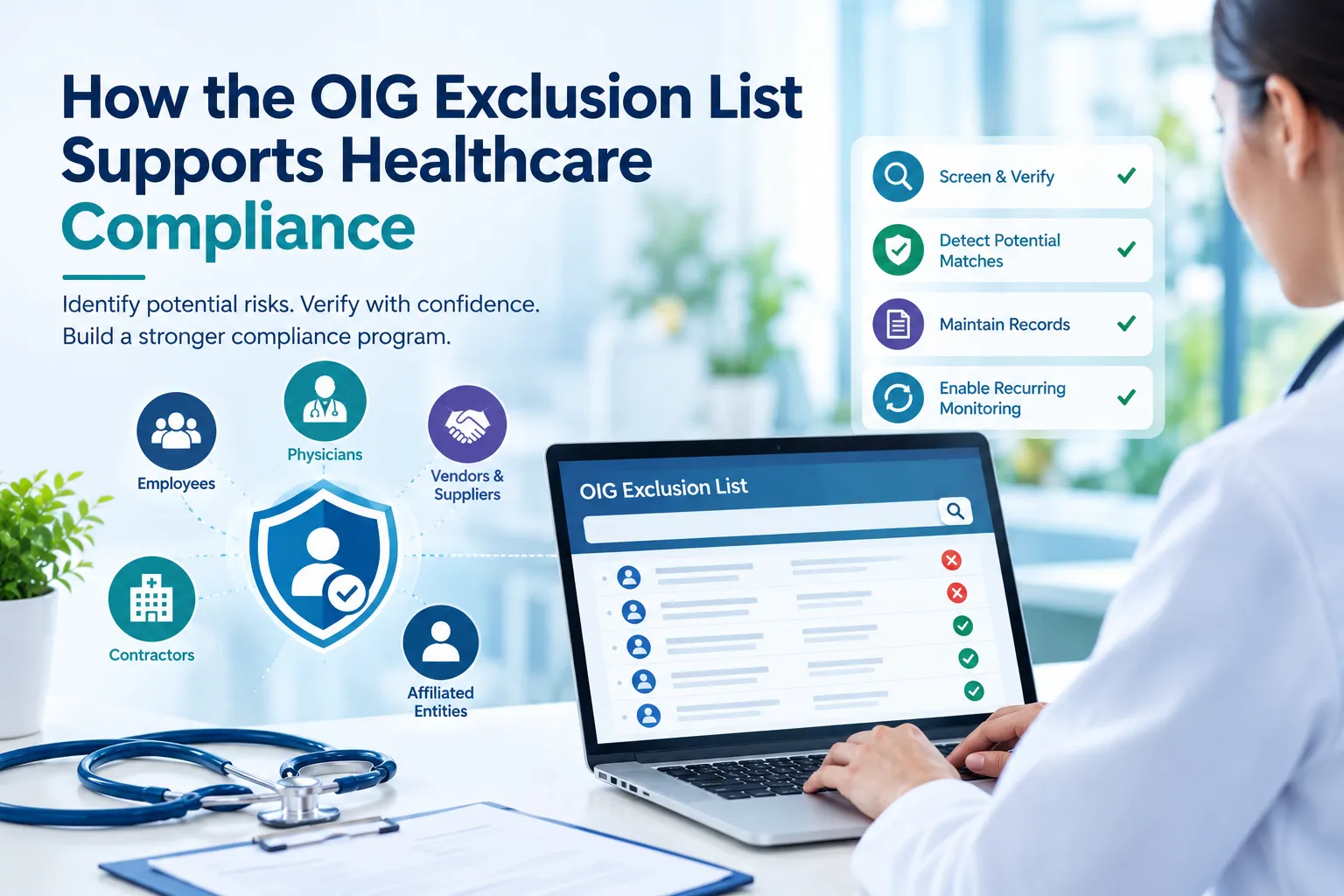
- Sanction Checks: Screening vendors against government sanction lists, such as the Office of Inspector General’s List of Excluded Individuals and Entities (LEIE) in the U.S., to ensure they aren’t barred from business.
- Background Checks: Verifying a vendor’s licenses, certifications, and legal history.
- Financial Review: Assessing a vendor’s financial health to confirm they can deliver on contracts.
- Reputation Check: Researching a vendor’s reputation through references, reviews, or industry feedback.
Due diligence helps organizations avoid risky partnerships that could lead to legal trouble, financial losses, or reputational damage.
3. Contract Management
Contracts are the backbone of vendor relationships, and a strong vendor compliance program includes robust contract management. Contracts should clearly define expectations, deliverables, timelines, and consequences for non-compliance. Key elements to include in vendor contracts are:
- Compliance Requirements: Clauses that mandate adherence to laws, regulations, and organizational policies.
- Performance Metrics: Specific, measurable goals for quality, delivery, or service levels.
- Audit Rights: Provisions allowing the organization to audit the vendor’s operations or records.
- Termination Clauses: Clear terms for ending the relationship if the vendor fails to comply.
Effective contract management also involves tracking contract renewals, updates, and compliance deadlines to ensure nothing slips through the cracks.
4. Ongoing Monitoring and Audits
Vendor compliance doesn’t end once a contract is signed. Ongoing monitoring is critical to ensure vendors continue to meet expectations. This includes regular audits, performance reviews, and compliance checks. For example:
- Regular Sanction Checks: Re-screen vendors against sanction lists periodically, as new exclusions can be added at any time.
- Performance Evaluations: Assessing whether vendors meet agreed-upon quality and delivery standards.
- Site Visits or Audits: Inspecting a vendor’s facilities or processes to verify compliance with safety, labor, or environmental standards.
Automated tools can simplify monitoring by flagging issues like missed deadlines or compliance violations in real time. Regular audits also help identify areas for improvement and reinforce accountability.
5. Training and Communication
A successful vendor compliance program includes training and clear communication with vendors. Vendors need to understand the organization’s expectations, policies, and compliance requirements from the start. Training might cover topics like data security, ethical practices, or specific regulatory requirements.
Regular communication is equally important. Organizations should provide vendors with updates on policy changes, new regulations, or performance feedback. Creating an open line of communication encourages vendors to ask questions, report issues, and stay aligned with expectations.
6. Risk Management and Mitigation
Every vendor relationship carries some level of risk, whether it’s financial, operational, or reputational. A vendor compliance program should include a risk management strategy to identify, assess, and mitigate these risks. This might involve:
- Risk Assessments: Evaluating each vendor’s risk level based on their role, industry, or compliance history.
- Contingency Plans: Preparing for scenarios like vendor failure, supply chain disruptions, or compliance breaches.
- Insurance Requirements: Requiring vendors to carry liability insurance to cover potential losses.
By proactively managing risks, organizations can avoid costly disruptions and maintain smooth operations.
7. Technology and Automation
Modern vendor compliance programs rely heavily on technology to streamline processes and improve accuracy. Software solutions can automate tasks like sanction checks, contract tracking, and performance monitoring. For example, a compliance management platform might:
- Scan multiple sanction databases in seconds.
- Generate reports on vendor performance or compliance status.
- Send alerts for upcoming contract renewals or audit deadlines.
Automation reduces the time and effort needed for manual checks, minimizes errors, and ensures consistency across the program.
8. Documentation and Reporting
Proper documentation is essential for proving compliance during audits or investigations. A vendor compliance program should include a system for recording all vendor-related activities, such as:
- Screening results and due diligence findings.
- Signed contracts and amendments.
- Audit reports and performance reviews.
- Communication logs with vendors.
Detailed records help organizations demonstrate compliance to regulators, auditors, or stakeholders. They also provide a paper trail for resolving disputes or addressing non-compliance issues.
Challenges of Vendor Compliance Programs
While vendor compliance programs are critical, they come with challenges. Managing large numbers of vendors can be complex, especially for global organizations with diverse supply chains. Keeping up with changing regulations across regions is another hurdle. Additionally, small organizations may lack the resources to implement robust programs, making automation and third-party support even more valuable.
Why Vendor Compliance Programs Matter
A strong vendor compliance program is more than a box to check—it’s a strategic tool that protects organizations and builds stronger vendor relationships. By ensuring compliance, organizations can:
- Reduce Risks: Avoid legal penalties, financial losses, or reputational damage.
- Improve Quality: Work with reliable vendors who meet high standards.
- Enhance Efficiency: Streamline vendor management with clear processes and automation.
- Build Trust: Show regulators, customers, and partners that the organization operates ethically.
In industries like healthcare, where vendor mistakes can impact patient safety, or retail, where supply chain issues can disrupt operations, these programs are non-negotiable.
Conclusion
A vendor compliance program is a vital part of modern business operations. By incorporating clear policies, thorough screening, contract management, ongoing monitoring, training, risk management, technology, and documentation, organizations can create a program that ensures compliance and drives success. While building and maintaining a program takes effort, the benefits—reduced risks, improved vendor performance, and enhanced trust—are well worth it. Whether you’re a small business or a large corporation, a well-executed vendor compliance program is key to thriving in today’s complex regulatory environment.



















Sign in to leave a comment.