
Hybrid app development combines the best of both native and web app technologies. By using a single codebase that works across multiple platforms, hybrid apps provide a cost-effective and efficient solution for businesses looking to expand their mobile presence. These apps leverage web technologies like HTML, CSS, and JavaScript, wrapped in a native container, allowing them to access device capabilities and offer a near-native experience.
Importance of a Successful Hybrid App Development Project
Ensuring the success of a hybrid app development project is crucial. A well-executed project can lead to significant cost savings, faster time to market, and a broader reach across different devices and operating systems. However, achieving this success requires careful planning, choosing the right development partner, and focusing on user experience and performance.
Understanding Hybrid App Development
Definition and Core Concepts
Hybrid apps are essentially web apps embedded within a native shell. This allows them to run on any device that has a web browser. The core concept is to create an app that can function seamlessly across different platforms, such as iOS and Android, using a single codebase.
Key Technologies and Frameworks
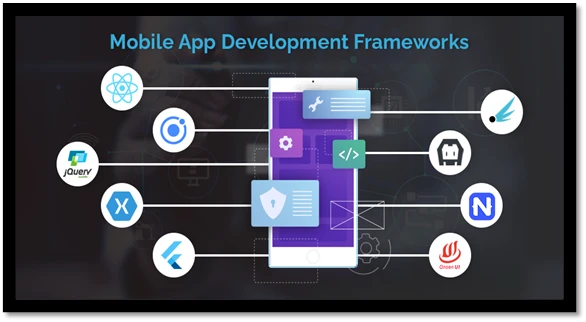
Popular frameworks for hybrid app development include React Native, Flutter, and Ionic. React Native, developed by Facebook, allows developers to build mobile apps using JavaScript and React. Flutter, by Google, uses Dart language and provides a rich set of pre-designed widgets. Ionic uses web technologies and integrates well with Angular, React, and Vue.js.
Benefits of Hybrid Apps
Hybrid apps offer several benefits:
- Cost-Effectiveness: One codebase reduces development and maintenance costs.
- Faster Development Time: Reusable code speeds up the development process.
- Ease of Maintenance: Updates are simpler as changes need to be made only once.
Initial Planning and Conceptualization
Idea Generation and Feasibility
The first step in a successful hybrid app project is generating a viable idea. Brainstorm with your team, considering user needs and market gaps. Validate the idea through feasibility studies to ensure it’s practical and achievable within your budget and timeframe.
Market Research and Analysis
Conduct thorough market research to understand your target audience and competitors. Identify user pain points, preferences, and behaviors. This data will help shape your app’s features and functionalities, ensuring it meets market demands.
Defining Goals and Objectives
Set clear, achievable goals for your app. Define what success looks like for your project, whether it’s user acquisition, engagement, or revenue generation. Having specific objectives will guide the development process and help measure progress.
Choosing the Right Development Partner
Key Criteria for Selection
Selecting the right hybrid app development partner is critical. Look for experience, a strong portfolio, and positive client reviews. A reputable partner will have a proven track record in delivering successful hybrid apps.
Assessing Technical Expertise
Ensure the development company has expertise in hybrid app frameworks like React Native, Flutter, and Ionic. Their technical skills will directly impact the quality and performance of your app.
Evaluating Communication and Support
Effective communication and ongoing support are essential throughout the development process. Choose a partner who values transparency, provides regular updates, and offers post-launch support.
Design and User Experience
User-Centered Design
Focus on user experience (UX) and user interface (UI) design. A user-centered approach ensures the app is intuitive, visually appealing, and easy to navigate, enhancing overall user satisfaction.
Wireframing and Prototyping
Create wireframes and interactive prototypes to visualize the app’s layout and flow. This helps in refining design elements and functionalities before development begins, saving time and resources.
Usability Testing
Conduct usability testing to gather feedback from real users. This testing phase helps identify and fix any design flaws or usability issues, ensuring a smooth user experience.
Development Process
Agile Methodology
Adopt agile development practices for flexibility and iterative progress. Agile methodology allows for regular feedback, continuous improvement, and quick adjustments, leading to a more refined final product.
Backend and Frontend Development
The development process involves both backend and frontend work. The backend handles the server-side logic and database management, while the frontend focuses on the app’s user interface and interactions.
Integration with APIs and Third-Party Services
Integrate necessary APIs and third-party services to enhance app functionality. This could include payment gateways, social media logins, or analytics tools, depending on your app’s requirements.
Testing and Quality Assurance
Comprehensive Testing Strategy
Implement a comprehensive testing strategy, including unit testing, integration testing, and user acceptance testing (UAT). This ensures the app functions correctly and meets user expectations.
Performance Optimization
Optimize the app’s performance to ensure it runs smoothly on all platforms and devices. This includes minimizing load times, ensuring efficient memory usage, and maintaining high responsiveness.
Bug Fixes and Improvements
Identify and fix bugs promptly to improve app stability and performance. Continuous testing and feedback loops help in maintaining a high-quality app.
Deployment and Launch
App Store Submission Guidelines
Follow the guidelines for submitting your app to app stores like Google Play and Apple App Store. Ensure your app meets all requirements to avoid delays in approval.
Pre-Launch Marketing and Promotion
Generate buzz and anticipation before the app’s launch through marketing and promotional activities. Use social media, email campaigns, and press releases to reach your target audience.
Monitoring and Feedback Collection
After launch, monitor the app’s performance and collect user feedback. This data is invaluable for making necessary adjustments and improvements.
Post-Launch Support and Maintenance
Ongoing Maintenance and Updates
Regular updates and maintenance are essential to keep the app relevant and functional. This includes fixing bugs, adding new features, and improving performance based on user feedback.
User Support and Issue Resolution
Provide effective user support to address issues promptly. A dedicated support team ensures users have a positive experience and helps retain them.
Future Enhancements and Upgrades
Plan for future features and improvements based on user feedback and technological advancements. Continuous enhancement keeps your app competitive and aligned with user needs.
Case Studies: Success Stories
Case Study 1: Retail Company
A retail company enhanced its mobile strategy by developing a hybrid app. The app provided a seamless shopping experience, integrated with the company’s e-commerce platform, leading to increased customer engagement and sales.
Case Study 2: Healthcare Provider
A healthcare provider streamlined its patient services using a hybrid app. The app offered features like appointment scheduling, telemedicine, and electronic health records, improving patient satisfaction and operational efficiency.
Case Study 3: Educational Platform
An educational platform expanded its reach with a hybrid app. The app provided access to courses, interactive quizzes, and progress tracking, helping students learn anytime, anywhere.
Future Trends in Hybrid App Development
AI and Machine Learning
AI and machine learning are enhancing app functionality and user experience. These technologies enable personalized experiences, predictive analytics, and intelligent automation.
5G Technology
The advent of 5G technology is revolutionizing app performance and capabilities. Faster data transfer speeds and lower latency will enable more complex and responsive apps.
IoT Integration
Integration with Internet of Things (IoT) devices is becoming increasingly common. Hybrid apps can connect with various IoT devices, offering enhanced functionalities and user experiences.
Progressive Web Apps (PWAs)
Progressive Web Apps (PWAs) are influencing hybrid app development. PWAs offer the benefits of both web and mobile apps, providing a smooth and fast user experience.
Conclusion
Recap of Key Points
To ensure the success of a mobile hybrid app development project, consider key factors like thorough planning, choosing the right development partner, focusing on user experience, and continuous improvement.
Encouragement to Act
Apply these considerations in your projects to achieve your goals. Partnering with an experienced hybrid app development service provider can streamline the process and ensure success.
Call to Action
If you’re looking to develop a hybrid app, contact a reputable hybrid app development company for consultation and services. Their expertise can help you turn your vision into a successful app.
In summary, mobile hybrid app development offers a versatile and cost-effective solution for businesses aiming to reach a wide audience. By following the key considerations outlined above, you can ensure a successful and impactful app development project.










Sign in to leave a comment.