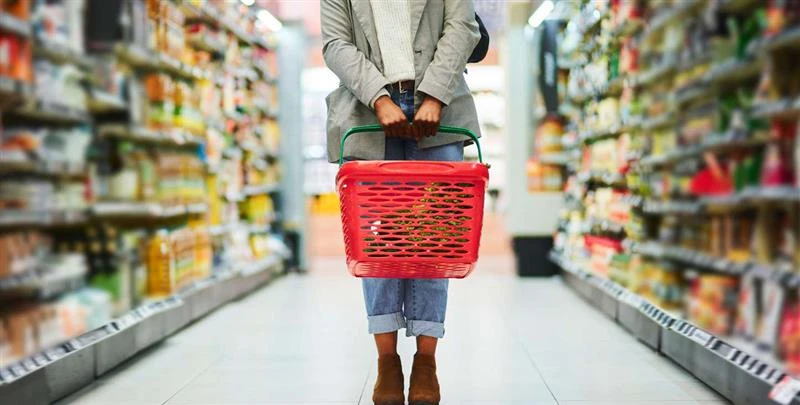

Why 2026 Is a Defining Year for the Consumer Goods Industry
The consumer goods industry is entering a transformative phase in 2026. Rapid technological innovation, shifting consumer expectations, and evolving economic conditions are redefining how people discover, evaluate, and purchase everyday products. These consumer goods industry trends to watch are no longer incremental changes—they represent a fundamental shift in buying habits, brand relationships, and consumer experience.
As digital convenience becomes standard and sustainability becomes non-negotiable, consumers are more informed, selective, and value-driven than ever before. This article explores the most important consumer goods industry trends shaping 2026 and examines their direct impact on consumer behavior, buying habits, and overall shopping experiences.
Digital Transformation Reshaping the Consumer Goods Industry
AI-Driven Personalization and Predictive Shopping
Artificial intelligence is one of the most influential consumer goods industry trends to watch in 2026. Brands now use AI to analyze browsing patterns, purchase history, and preferences to deliver hyper-personalized recommendations. Consumers increasingly expect brands to anticipate their needs rather than react to them.
This trend improves consumer experience by reducing decision fatigue and making shopping more relevant. For consumers, personalization means better product discovery, tailored offers, and a sense that brands truly understand their preferences. However, it also raises expectations for accuracy and relevance, making poorly executed personalization a risk rather than a benefit.
Automation and Smart Manufacturing
Automation in manufacturing and supply chains is accelerating product availability and consistency. Smart factories equipped with robotics and real-time analytics help brands respond faster to demand shifts. This trend directly influences buying habits in 2026 by ensuring fewer stockouts and faster product refresh cycles.
For consumers, automation translates into better product quality, stable pricing, and quicker access to new launches. It also supports customization at scale, allowing brands to offer personalized or limited-edition products without significant cost increases.
Data-Driven Consumer Market Analysis
Advanced data analytics allows brands to conduct real-time consumer market analysis. Instead of relying on historical data alone, companies now monitor live consumer signals to refine pricing, promotions, and product assortments.
Consumers benefit from this trend through more relevant product offerings and fewer mismatched launches. However, transparency around data usage is critical, as trust plays a growing role in consumer decision-making.
Sustainability and Ethical Consumption as Core Consumer Expectations
Rising Demand for Sustainable Consumer Goods
Sustainability is no longer a niche preference—it is a mainstream expectation. One of the most impactful consumer goods industry trends to watch is the growing demand for environmentally responsible products. Consumers actively seek brands that minimize environmental impact through eco-friendly materials and responsible production methods.
This trend significantly influences buying habits in 2026, as consumers are willing to switch brands or pay slightly more for products that align with their values. Sustainability has become a key differentiator in competitive consumer markets.
Ethical Sourcing and Supply Chain Transparency
Modern consumers want to know where products come from and how they are made. Ethical sourcing and transparent supply chains are now essential components of the consumer experience. Brands increasingly share sourcing stories, certifications, and traceability information.
This transparency empowers consumers to make informed decisions and strengthens trust. As consumer impact trends show, brands that fail to communicate ethical practices risk losing credibility and market share.
Packaging Innovation and Waste Reduction
Packaging is a major focus area in sustainability-driven consumer goods trends. Recyclable, refillable, and biodegradable packaging solutions are becoming standard expectations rather than optional features.
For consumers, improved packaging enhances convenience while reducing guilt associated with waste. Brands that successfully combine functionality with sustainability create stronger emotional connections with their customers.
Omnichannel Retail and the Evolution of Shopping Experiences
Seamless Online and Offline Integration
Consumers no longer differentiate between online and offline shopping—they expect a unified experience. Omnichannel retail is one of the most important consumer goods industry trends to watch, enabling consistent pricing, inventory visibility, and customer service across channels.
This integration improves the consumer experience by allowing shoppers to browse online, purchase in-store, or return products through any channel. Convenience and flexibility now heavily influence brand loyalty.
Mobile-First and App-Based Shopping Growth
Mobile commerce continues to dominate consumer shopping behavior. In 2026, mobile-first strategies are essential for reaching digitally native consumers who prioritize speed and ease.
Brands enhance mobile experiences with intuitive design, one-click checkout, and personalized notifications. These features directly affect buying habits in 2026 by encouraging impulse purchases and repeat transactions.
Flexible Fulfillment and Delivery Options
Consumers increasingly demand flexible fulfillment options such as same-day delivery, click-and-collect, and subscription-based replenishment. This trend reflects changing lifestyles and time constraints.
Flexible fulfillment enhances consumer satisfaction by allowing shoppers to choose how and when they receive products. Brands that fail to offer convenient delivery risk losing relevance in competitive markets.
Changing Consumer Behavior and Buying Habits in 2026
Shift Toward Value-Based Purchasing Decisions
Consumers in 2026 prioritize value over volume. Instead of frequent impulse purchases, they focus on quality, durability, and long-term usefulness. This shift is a defining consumer impact trend shaping the future of consumer goods.
Brands that emphasize product longevity, transparency, and performance are better positioned to meet these evolving expectations and build lasting loyalty.
Price Sensitivity and Smart Spending
Economic uncertainty has made consumers more price-conscious. Comparison shopping, deal tracking, and loyalty programs influence buying habits in 2026 more than ever before.
While consumers remain open to premium products, they expect clear justification for pricing. Transparent communication about quality, sourcing, and benefits is essential for maintaining trust.
Demand for Speed and Convenience
Convenience remains a dominant factor in consumer decision-making. Simplified checkout processes, digital wallets, and automated reordering reduce friction in the buying journey.
Brands that streamline the consumer experience gain a competitive advantage by saving time and effort for shoppers, reinforcing positive brand associations.
Technology-Driven Consumer Engagement and Marketing
Social Commerce and Influencer-Led Discovery
Social commerce continues to grow as consumers discover products through influencers and peer recommendations. Platforms now integrate shopping features directly into content, blending entertainment and commerce.
This trend reshapes consumer experience by making product discovery more organic and trust-driven. Consumers rely on authentic reviews and real-world usage rather than traditional advertising.
Immersive Shopping Through AR and Virtual Experiences
Augmented reality and virtual try-ons reduce uncertainty in online shopping. Consumers can visualize products before purchasing, improving confidence and reducing return rates.
These immersive experiences enhance engagement and satisfaction, especially in categories like fashion, beauty, and home goods.
Community Building and Brand Loyalty
Brands increasingly focus on building communities rather than just selling products. Loyalty programs, exclusive content, and interactive platforms strengthen emotional connections.
For consumers, community-driven engagement creates a sense of belonging and increases long-term brand commitment.
Impact of Consumer Goods Industry Trends on Consumers
Enhanced Personalization and Convenience
The combined impact of these trends delivers faster, more relevant, and more enjoyable shopping experiences. Consumers benefit from tailored recommendations and seamless interactions across platforms.
Increased Awareness and Empowerment
Access to product information, sustainability data, and reviews empowers consumers to make informed decisions. This transparency reshapes power dynamics between brands and buyers.
Higher Expectations From Brands
Consumers now expect authenticity, responsiveness, and ethical behavior. Brands must continuously adapt to meet these rising standards or risk losing trust.
Preparing for the Future of Consumer Goods in 2026
The consumer goods industry trends to watch in 2026 reflect deeper changes in consumer values, technology adoption, and shopping behavior. These trends are not temporary—they signal a long-term evolution in how consumers interact with brands and products.
For consumers, the future of shopping promises greater convenience, personalization, and empowerment. For brands, success depends on adaptability, transparency, and a genuine focus on consumer experience.
Frequently Asked Questions About Consumer Goods Industry Trends to Watch
1. What are the most important consumer goods industry trends to watch in 2026?
Key trends include AI-driven personalization, sustainability, omnichannel retail, flexible fulfillment, and data-driven consumer engagement.
2. How do consumer goods trends impact buying habits in 2026?
Consumers prioritize value, convenience, ethical practices, and personalized experiences, influencing how and where they shop.
3. Why is sustainability critical in consumer goods markets?
Sustainability affects brand trust, loyalty, and purchasing decisions as consumers become more environmentally conscious.
4. How does technology improve consumer experience?
Technology enables faster discovery, personalized recommendations, immersive shopping, and seamless checkout processes.
5. What role does AI play in consumer goods?
AI supports personalization, demand forecasting, pricing optimization, and improved consumer market analysis.
6. Are consumers willing to pay more for ethical products?
Many consumers are willing to pay a premium if brands clearly communicate ethical sourcing and sustainability benefits.
7. How is social commerce changing shopping behavior?
Social commerce blends entertainment with shopping, increasing trust through influencers and peer recommendations.
8. What challenges do brands face in 2026?
Balancing innovation with affordability, managing data privacy, and adapting to rapidly changing consumer expectations.
9. How does omnichannel retail benefit consumers?
It provides flexibility, consistent experiences, and convenience across online and offline shopping channels.
10. What defines a successful consumer goods brand in 2026?
Successful brands focus on transparency, personalization, sustainability, and delivering exceptional consumer experiences.






























Sign in to leave a comment.