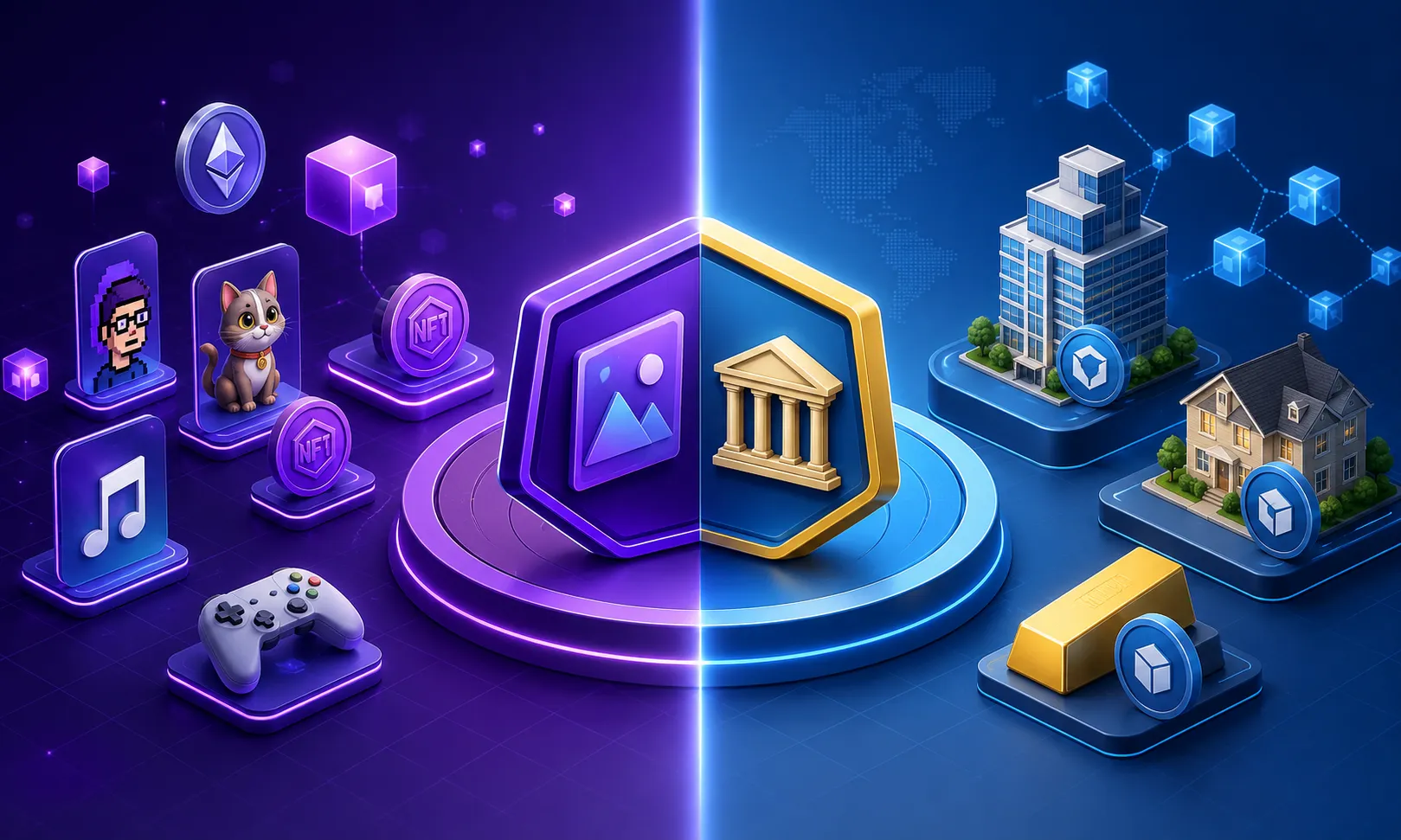

Blockchain technology has introduced many digital ownership models over the last few years. Among them, NFT marketplaces and Real World Asset Tokenization platforms have gained major attention from businesses, investors, startups, and financial institutions. While both concepts use blockchain-based tokens, their purpose, structure, regulations, and user expectations are very different.
NFT platforms mainly focus on digital collectibles, gaming assets, art, music, and virtual items. On the other hand, rwa tokenization platform development focuses on representing physical or financial assets on blockchain networks. These assets may include real estate, gold, commodities, bonds, invoices, luxury items, stocks, intellectual property, and more.
Many people assume NFT systems and RWA Tokenization platforms operate in the same manner because both involve tokens. In reality, the technical architecture, legal considerations, liquidity models, compliance structure, and business objectives differ significantly. Companies entering blockchain markets must understand these differences before selecting the right development approach.
This article explains the differences between NFT platforms and Real World Asset Tokenization Services in detail, including architecture, ownership models, compliance requirements, asset backing, trading systems, investment structures, and long-term business value.
Understanding NFT Platforms
NFT stands for Non-Fungible Token. These tokens represent unique digital items stored on blockchain networks. Unlike cryptocurrencies such as Bitcoin or Ethereum, NFTs are not interchangeable because each token carries different metadata and ownership details.
NFT platforms allow users to mint, buy, sell, auction, and transfer digital assets. These platforms became popular through digital artwork, gaming assets, profile picture collections, music rights, and virtual land.
Common functions of NFT platforms include:
- NFT minting
- Wallet integration
- Auctions
- Royalties
- Marketplace listings
- Metadata storage
- Creator dashboards
- Community features
Most NFT marketplaces operate on networks such as Ethereum, Polygon, Solana, and BNB Chain.
Understanding RWA Tokenization Platform Development
RWA Tokenization refers to converting physical or financial assets into blockchain-based digital tokens. These tokens represent ownership, rights, revenue shares, or investment participation linked to real-world assets.
A Real World Asset Tokenization platform usually includes legal verification systems, compliance checks, smart contracts, investor onboarding, asset management modules, custody mechanisms, and secondary trading systems.
Assets commonly tokenized include:
- Real estate
- Precious metals
- Treasury bonds
- Artwork
- Agricultural assets
- Carbon credits
- Equity shares
- Debt instruments
- Luxury watches
- Fine wine
Unlike NFT systems that often focus on digital communities and collectibles, Real World Asset Tokenization Services concentrate more on investment infrastructure and regulated asset participation.
A professional RWA Tokenization Company generally works with legal teams, compliance providers, custodians, and financial institutions during development and deployment.
Asset Nature and Ownership Structure
One of the biggest differences between NFT platforms and rwa tokenization platform development is the nature of the asset itself.
NFT Platforms
NFT marketplaces mainly deal with digital-native assets. Ownership is usually linked to:
- Artwork
- Digital music
- In-game items
- Memes
- Virtual land
- Collectibles
The token itself often becomes the primary asset.
RWA Tokenization Platforms
In RWA Tokenization, the token represents an external physical or financial asset. The blockchain token acts as a digital representation of ownership or participation rights.
Examples include:
- Fractional ownership in apartments
- Shares in commercial buildings
- Gold-backed tokens
- Revenue-sharing instruments
- Bond-linked assets
Here, the real value exists outside the blockchain environment.
Fungibility and Fractional Ownership
NFTs are generally non-fungible. Each token is unique and carries separate metadata. Even if two NFTs belong to the same collection, they may differ in rarity, attributes, or market value.
In contrast, RWA token development often uses fungible tokens because assets are divided into fractions. Investors can purchase smaller portions of high-value assets.
For example:
- One commercial property worth $10 million may be divided into 1 million tokens.
- Investors can buy small portions instead of purchasing the entire property.
This structure increases accessibility for retail investors.
Regulatory Requirements
Compliance is one of the most important distinctions between NFT platforms and RWA Tokenization Services.
NFT Platforms and Regulation
Many NFT marketplaces operate with lighter regulatory oversight, depending on jurisdiction and token utility. Although regulations are changing, many NFT collections are treated as digital collectibles rather than securities.
However, legal concerns may still involve:
- Copyright disputes
- Intellectual property
- Fraud prevention
- Royalty enforcement
Real World Asset Tokenization and Regulation
Real World Asset Tokenization Services usually face much stricter legal requirements because tokenized assets often fall under securities laws or investment regulations.
Platforms may require:
- KYC verification
- AML procedures
- Accredited investor checks
- Asset audits
- Legal agreements
- Custody reporting
- Financial disclosures
A professional RWA tokenization development company typically integrates compliance systems from the beginning of the project.
Technical Architecture Differences
NFT platforms and rwa tokenization platform development use different backend structures based on business objectives.
NFT Platform Architecture
NFT platforms generally focus on:
- Marketplace interfaces
- Metadata hosting
- Creator tools
- NFT minting
- Auction engines
- Wallet connectivity
Common standards include:
- ERC-721
- ERC-1155
The emphasis is usually on user experience, media display, and community interaction.
RWA Tokenization Architecture
RWA Tokenization platforms require more financial and legal infrastructure.
Systems may include:
- Investor onboarding
- Compliance modules
- Asset valuation tools
- Custody integration
- Dividend distribution
- Secondary trading systems
- Reporting dashboards
- Asset verification mechanisms
Common token standards may include:
- ERC-20
- ERC-3643
- Security token protocols
These platforms often integrate with legal databases, banking systems, and identity verification providers.
Liquidity Models
Liquidity patterns differ greatly between NFTs and RWA Tokenization.
NFT Liquidity
NFT liquidity depends heavily on:
- Market trends
- Community interest
- Influencer activity
- Collection rarity
- Speculation
Prices can fluctuate dramatically within short periods.
RWA Tokenization Liquidity
RWA Tokenization aims to improve liquidity for traditionally illiquid assets such as real estate or commodities.
Tokenized ownership allows:
- Fractional investing
- Faster transfers
- Secondary market participation
- Reduced entry barriers
Although liquidity still depends on regulations and market demand, tokenization can improve access to asset classes previously restricted to institutional investors.
Valuation Methods
NFT valuation often depends on emotional demand, social media attention, rarity, or creator popularity.
Factors include:
- Collection hype
- Community size
- Celebrity endorsements
- Historical sales
- Utility benefits
Meanwhile, Real World Asset Tokenization usually relies on measurable financial indicators.
Examples include:
- Property market valuation
- Rental income
- Commodity pricing
- Financial performance
- Asset reserves
- Appraisal reports
This creates more structured valuation models.
Smart Contract Usage
Both NFT platforms and RWA Tokenization Services use smart contracts, but their functions differ.
NFT Smart Contracts
NFT smart contracts generally handle:
- Minting
- Ownership tracking
- Royalties
- Marketplace transfers
- Metadata linking
RWA Smart Contracts
RWA Tokenization smart contracts often manage:
- Investor permissions
- Compliance restrictions
- Dividend payouts
- Asset-backed verification
- Transfer limitations
- Ownership fractions
- Revenue sharing
These contracts usually require more auditing and legal review.
User Base Differences
NFT marketplaces primarily target:
- Artists
- Collectors
- Gamers
- Creators
- Web3 communities
The focus is usually community participation and digital ownership culture.
Real World Asset Tokenization Services target a different audience:
- Real estate investors
- Financial institutions
- Asset managers
- Funds
- Commodity traders
- Enterprise businesses
The investment mindset is much more prominent in RWA Tokenization ecosystems.
Revenue Generation Models
NFT marketplaces generally earn through:
- Minting fees
- Marketplace commissions
- Listing fees
- Premium memberships
- Royalties
RWA Tokenization platforms may generate revenue through:
- Asset onboarding fees
- Compliance processing
- Transaction charges
- Investor subscriptions
- Custody services
- Token issuance fees
- Secondary trading commissions
The business structure is often closer to fintech platforms than community marketplaces.
Legal Ownership Considerations
NFT ownership usually grants ownership of the blockchain token itself. It may not automatically transfer copyright or commercial rights unless specifically mentioned.
In Real World Asset Tokenization, token holders often receive legally documented ownership or participation rights connected to physical assets.
This may involve:
- Shareholder agreements
- Property rights
- Revenue entitlements
- Legal asset claims
This legal connection is one reason why RWA Tokenizaion development requires more documentation and compliance procedures.
Storage and Custody
NFT assets are usually stored through decentralized file systems such as IPFS or Arweave. Ownership is maintained via crypto wallets.
For RWA Tokenization, physical assets require additional custody arrangements.
Examples include:
- Property registries
- Bank custody systems
- Gold vaults
- Legal trustees
- Asset management firms
The blockchain token must remain connected to verified off-chain ownership records.
Risk Factors
NFT Platform Risks
Common risks include:
- Speculative volatility
- Copyright infringement
- Fake collections
- Low liquidity
- Market hype cycles
RWA Tokenization Risks
Risks may involve:
- Regulatory changes
- Asset valuation disputes
- Custody failures
- Legal compliance issues
- Cross-border investment restrictions
Because real assets are involved, legal accountability becomes much more important.
Development Cost Differences
NFT marketplace development generally requires less legal infrastructure and fewer compliance integrations.
Development costs mainly depend on:
- Blockchain selection
- UI complexity
- Smart contract functionality
- Marketplace features
RWA tokenization development services often involve higher costs because platforms require:
- Compliance systems
- Legal structuring
- Identity verification
- Asset audit integration
- Financial reporting tools
- Investor management systems
Development timelines may also be longer.
Secondary Trading Systems
NFT platforms usually operate through open marketplace bidding and peer-to-peer trading.
RWA Tokenization platforms may use regulated exchanges or permission-based secondary markets.
Trading restrictions may depend on:
- Investor location
- Securities regulations
- Lock-in periods
- Jurisdictional requirements
This makes the trading environment more structured.
Long-Term Market Direction
NFT platforms continue finding applications in gaming, entertainment, digital identity, sports collectibles, and creator economies.
At the same time, Real World Asset Tokenization is receiving attention from financial institutions, banks, investment firms, and governments because of its connection with traditional financial assets.
Industries adopting RWA Tokenization include:
- Real estate
- Supply chain finance
- Renewable energy
- Commodity trading
- Bond markets
- Infrastructure investment
Many analysts believe institutional participation may continue increasing within this sector over the coming years.
When Businesses Should Choose NFT Platforms
NFT platform development may suit businesses that focus on:
- Digital art
- Gaming ecosystems
- Fan engagement
- Community-based rewards
- Entertainment content
- Creator monetization
These platforms work well where uniqueness and digital ownership matter more than regulated investment structures.
When Businesses Should Choose RWA Tokenization Platform Development
rwa tokenization platform development may be more suitable for businesses dealing with:
- Financial assets
- Property investment
- Commodity ownership
- Revenue-sharing systems
- Institutional fundraising
- Fractional investment models
Companies seeking long-term investment participation and regulated financial infrastructure usually prefer Real World Asset Tokenization Services.
Important Components in RWA Token Development
Successful RWA token development often includes several technical and operational modules.
Asset Verification
Assets must be legally verified before token issuance.
Smart Contract Logic
Contracts manage ownership records, transfers, and payouts.
Investor Management
Platforms handle investor onboarding and compliance reviews.
Compliance Monitoring
Systems track KYC and AML procedures continuously.
Custody Management
Physical asset custody must remain legally documented.
Reporting Systems
Investors often require financial and operational reporting tools.
These areas are commonly handled by an experienced RWA tokenization development company.
Blockchain Selection Differences
NFT platforms frequently choose networks based on creator communities and low transaction fees.
Popular choices include:
- Ethereum
- Solana
- Polygon
- Flow
RWA Tokenization platforms may prioritize:
- Compliance support
- Security
- Institutional integrations
- Permission controls
Private or hybrid blockchain systems may also be considered depending on legal requirements.
Market Perception and Investor Confidence
NFT markets are often viewed as highly speculative. Public sentiment can change rapidly depending on trends and media coverage.
RWA Tokenization usually attracts investors seeking asset-backed participation. Since tokens are connected to measurable assets, investor confidence may depend more on asset performance than internet trends.
This distinction affects platform branding, marketing, and long-term adoption strategies.
Future Possibilities
NFT systems may continue growing in entertainment, gaming, ticketing, and digital identity sectors.
Meanwhile, Real World Asset Tokenization Services may continue expanding into:
- Cross-border investment
- Private equity
- Debt financing
- Infrastructure ownership
- Commodity-backed finance
- Institutional asset trading
Many financial institutions are currently testing tokenized asset models for operational efficiency and investment accessibility.
Conclusion
NFT platforms and RWA Tokenization platforms may appear similar at first because both use blockchain-based tokens. However, their goals, technical structure, regulatory requirements, ownership models, liquidity systems, and investor expectations differ substantially. NFT platforms mainly focus on digital ownership, creator economies, and collectible markets, while Real World Asset Tokenization concentrates on representing physical and financial assets through blockchain systems. Businesses entering blockchain markets must carefully evaluate their objectives before choosing between NFT development and rwa tokenization platform development. Legal compliance, investor participation, asset custody, and financial infrastructure play much larger roles in RWA Tokenization compared to NFT ecosystems. As blockchain adoption continues across industries, both sectors may continue finding different applications in digital commerce and asset management. Blockchain App Factory provides Real World Asset Tokenization Services for businesses looking to enter the tokenized asset market with secure and legally structured platforms.


























Sign in to leave a comment.