
Why Truck Accidents Require a Specialized Legal Approach
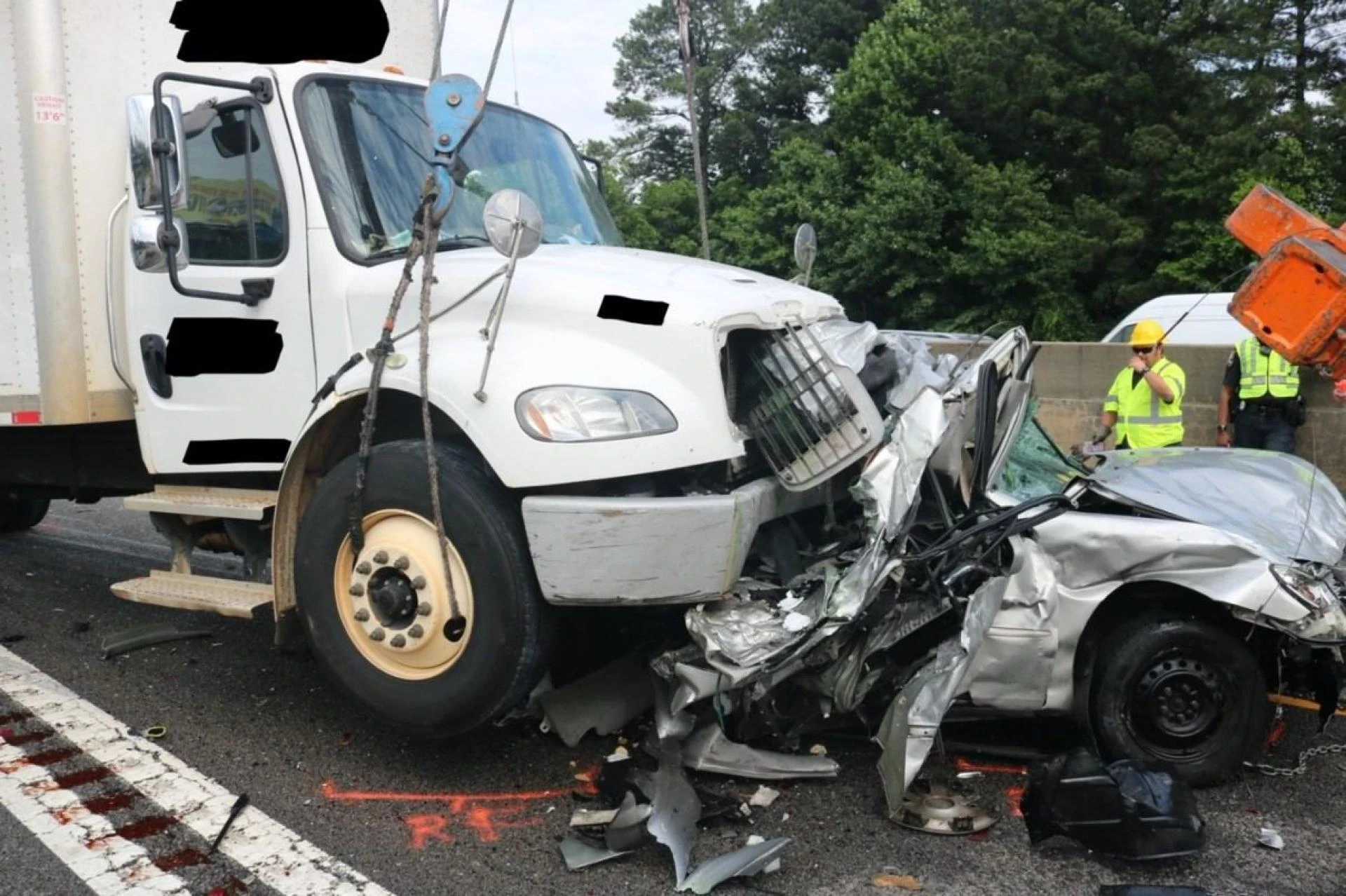
Truck accidents are not just "bigger car crashes." From the scale of damage to the legal complexities, these accidents are uniquely challenging. If you’ve been injured in a collision involving a commercial truck, it’s crucial to hire a law firm experienced in handling truck accident claims. Understanding how these cases differ from standard motor vehicle accidents can significantly impact your ability to recover fair compensation.
Below are five major differences between truck accidents and typical car accidents—and why they matter to your case.
1. The Severity of Injuries
Commercial trucks are significantly larger and heavier than passenger vehicles, often weighing 20–30 times more. Even a low-speed collision can cause catastrophic or fatal injuries. Victims often face long-term medical care, permanent disability, or wrongful death, making these cases high-stakes from both a medical and legal standpoint.
Truck accident investigations are more complex and require immediate action. Critical evidence can quickly disappear if not properly preserved. This includes:
- Photos and videos of the crash scene
- Trucking company maintenance and inspection records
- Driver logs and electronic data from onboard devices
- Employment and training records for the driver
- Black box (EDR) data
- Cargo loading documentation
An experienced truck accident attorney will know how to secure and analyze this evidence before it's lost or destroyed.
3. Multiple Potentially Liable Parties
Unlike a typical two-vehicle accident, truck accidents may involve several responsible parties, such as:
- The truck driver
- The trucking company
- The truck owner
- Cargo loading companies
- Freight brokers or shippers
- Truck or parts manufacturers
- Maintenance contractors
Identifying all liable parties is essential for maximizing your compensation and ensuring justice.
4. State and Federal Regulations
The trucking industry is governed by strict federal regulations set by the Federal Motor Carrier Safety Administration (FMCSA). These include rules about:
- Driver qualifications
- Hours of service (to prevent fatigue)
- Drug and alcohol testing
- Vehicle maintenance
States like New Jersey may impose additional rules. Violations of these laws can play a critical role in proving negligence and liability.
5. Insurance Coverage and Legal Rights
New Jersey’s no-fault insurance laws usually limit your ability to sue after a car accident. However, these restrictions do not apply to accidents involving commercial trucks. This means you may be able to pursue a personal injury lawsuit directly against the responsible parties to recover compensation for:
- Medical bills
- Lost wages
- Pain and suffering
- Permanent disability
Because trucking companies often carry high-limit insurance policies, these claims can be substantial, but also fiercely defended.
Speak With a Truck Accident Attorney Today
If you or a loved one has been injured in a truck-related crash, don't wait. The sooner you speak with an attorney who understands the complexities of truck accident litigation, the better your chances of protecting your rights and securing the compensation you deserve.





























Sign in to leave a comment.