
Digital printing has reshaped the ceramic industry by allowing precise, high-speed decoration on tiles. The success of this process relies heavily on the quality and compatibility of digital inks. Selecting the right ink is crucial for colour accuracy, printhead performance, and long-term product appeal. For manufacturers, this decision directly influences production reliability, cost, and brand reputation.
Understanding the Purpose of Digital Inks in Tile Production
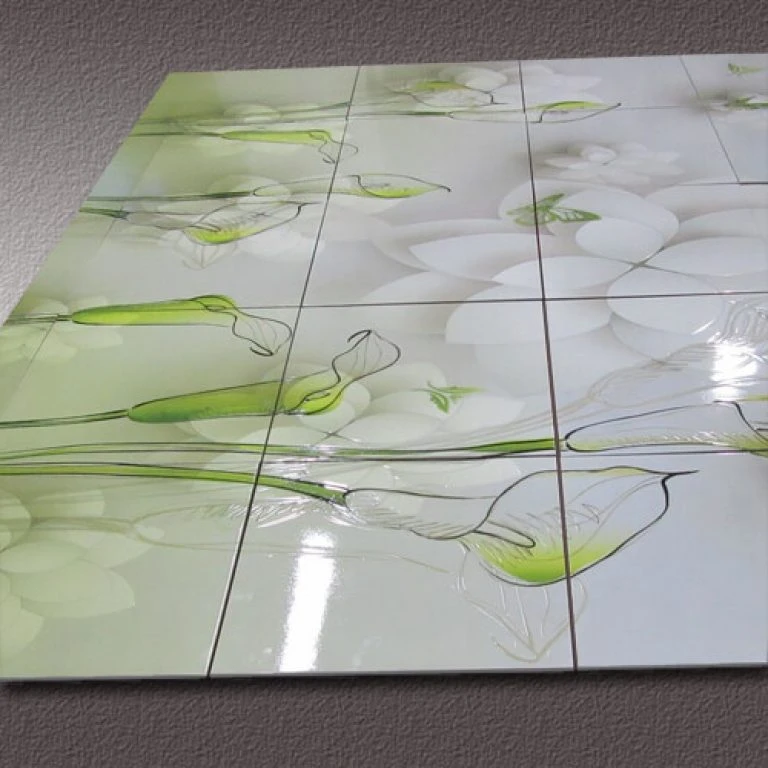
Digital inks are specially formulated liquids used in digital printing machines to apply patterns or images on ceramic surfaces. They deliver fine colour control and repeatable results without manual intervention. Unlike traditional screen printing, this process supports complex designs, short production runs, and quick changeovers. The choice of digi ink determines both surface quality and overall design impact.
Matching Ink Properties to Printer Compatibility
Every ceramic printer has specific requirements related to viscosity, surface tension, and particle size. Using digital inks not designed for your printer can cause nozzle clogging or uneven flow. Always check the ink’s compatibility with your printer model and printhead technology. Properly matched inks maintain consistency and reduce downtime, ensuring reliable operation across
long production cycles.
Evaluating Colour Strength and Visual Impact
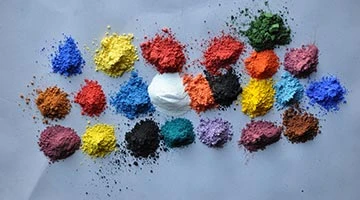
Colour intensity is a key measure of ink quality. Manufacturers look for vibrant digital inks that reproduce artwork accurately on different tile bodies. High pigment concentration provides deeper shades and cleaner lines, creating better definition in design. Balanced colour strength helps maintain consistent results between production batches and enhances overall product appeal in competitive markets.
Considering Firing Stability and Temperature Resistance
Ceramic tiles undergo high-temperature firing, which can alter colour tones if the ink lacks stability. A good digital ink for tiles should retain its designed shade after the firing process. Stable inks prevent discolouration, maintain pattern clarity, and ensure predictable outcomes across different kiln types. This is particularly important for maintaining quality assurance during mass production.
Assessing Surface Compatibility and Finish
Tiles come with varying surfaces such as matte, glossy, and textured finishes. Digital tile printing inks must bond well with each type to prevent peeling, fading, or inconsistent coverage. Testing inks on multiple substrates can reveal how the formulation interacts with glazes or surface coatings. A compatible ink maintains sharpness and durability while preserving the tile’s original finish.
The Importance of Particle Size and Dispersion
In digital printing, the smoothness of ink dispersion affects jetting performance. Uniform particle size prevents clogging and ensures even colour distribution. Fine, well-dispersed pigments allow high-resolution prints and precise colour blending. For ceramic manufacturers, this translates into fewer interruptions, lower maintenance, and better visual consistency across large batches.
Evaluating Ink Drying Time and Adhesion
Fast-drying inks help speed up production without smudging or loss of detail. Strong adhesion prevents colours from flaking during handling and firing. Selecting digital inks with balanced drying properties supports high-speed printing and efficient stacking. When inks adhere properly, they also resist fading from exposure to cleaning chemicals or environmental conditions.
Ensuring Long-Term Supply Consistency
Once a manufacturer standardises a digital ink for tiles, consistent supply becomes crucial. Variations in pigment source or formulation can alter colour output. Partnering with a reliable supplier who maintains strict quality control ensures that every batch performs the same way. Consistency protects brand reputation and simplifies quality management during audits or customer inspections.
Analysing the Environmental Impact of Ink Formulations
Modern ceramic producers are adopting cleaner production practices. Choosing environmentally safe digital inks helps reduce emissions and waste during production. Formulations with reduced solvents or heavy metals align with sustainability goals while keeping compliance with international regulations. Manufacturers adopting eco-friendly inks also appeal to clients who prioritise responsible sourcing.
Balancing Cost with Performance
Price should not be the only deciding factor when purchasing digital inks. A lower-cost product might compromise on stability, causing rework or equipment wear. Investing in high-quality digi ink ensures fewer stoppages and superior output. Over time, this leads to better cost control and improved production efficiency, even if the initial spend appears higher.
Partnering with Expert Suppliers
Selecting the right ink also involves working with experienced suppliers who understand ceramic printing. Expert partners can provide tailored recommendations based on your printer setup, tile type, and production targets. They also offer technical support, ensuring smooth integration into your workflow. Working with specialists helps optimise both colour performance and operational stability.
Why IPNR Endura Is Trusted for Ceramic Digital Inks
IPNR Endura supplies high-quality digital inks engineered for precision, durability, and consistent performance. Their range of digital tile printing inks delivers strong colour intensity, firing stability, and surface compatibility across diverse tile bodies. With a focus on reliability and research-backed formulations, IPNR Endura supports manufacturers seeking vibrant digital inks that meet both production and aesthetic standards.


























Sign in to leave a comment.