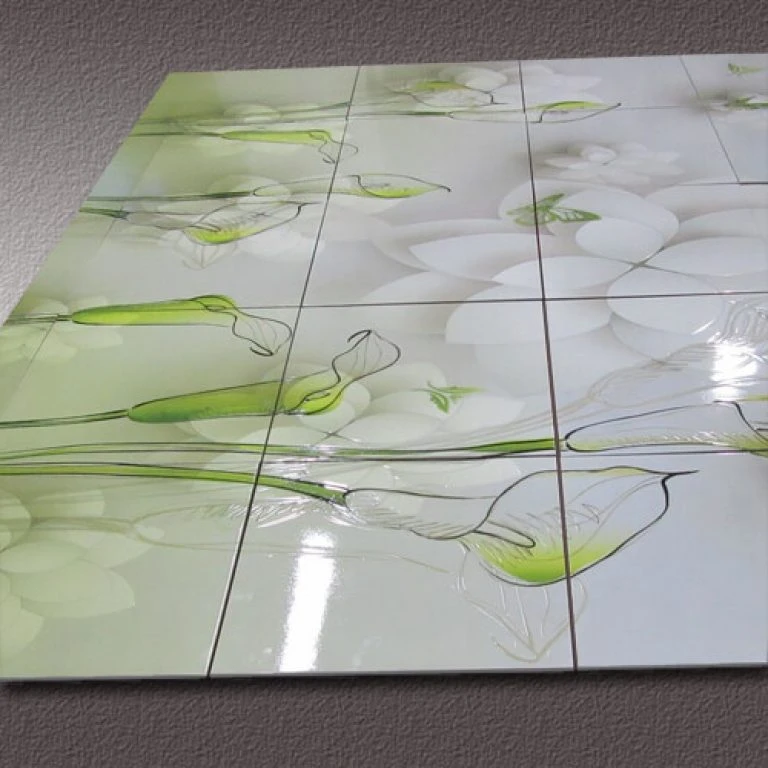

The tile manufacturing industry has witnessed significant advancements over the years, with innovation reshaping both the design and production processes. Among the key contributors to this transformation are ceramic tiles stains—specialized pigments that enhance the visual appeal and performance of tiles. These stains, combined with other resources like digital inks, frits, and feldspar, have become indispensable for creating premium, high-end tiles that meet modern aesthetic and functional demands.

What Are Ceramic Stains?
Ceramic stains are inorganic pigments created through a combination of metal oxides, ceramic frits, and stabilizers. These pigments are widely used in tile manufacturing to add vibrant, long-lasting colours and unique effects to ceramic surfaces. Ceramic stains are versatile and compatible with a variety of tile finishes, including matte, glossy, and textured designs.
The Role of Ceramic Stains in High-End Tiles
Vibrant and Consistent Colours
High-end tiles require a flawless finish with rich, consistent colours. Ceramic stains are engineered to maintain their vibrancy even after high-temperature firing, ensuring that the tiles retain their beauty over time.
Wide Range of Effects
Ceramic stains enable the creation of diverse visual effects, from natural stone textures to metallic finishes. This versatility allows manufacturers to produce tiles that cater to luxury markets and contemporary design trends.
Durability and Resistance
Tiles made with ceramic stains are highly durable and resistant to fading, chemicals, and weathering. This makes them ideal for both indoor and outdoor applications, ensuring long-lasting quality.
Eco-Friendly Options
Many ceramic stains are now developed with sustainability in mind, using non-toxic materials and eco-friendly production processes. This aligns with the growing demand for environmentally responsible manufacturing practices.
How Ceramic Stains Work with Digital Inks
The combination of ceramic stains and digital inks has revolutionized tile manufacturing. Digital printing allows for intricate patterns and precise designs, while ceramic stains enhance the depth and vibrancy of colours. Together, they offer unmatched customization, enabling manufacturers to meet the specific preferences of high-end customers.
For example, digital inks can replicate the natural veining of marble or the rustic charm of wood, while ceramic stains add the colour variations and surface effects that make these designs look authentic.
Other Key Resources in Tile Manufacturing
Frits
Frits are essential for glazing tiles, providing a smooth and glossy finish. They are often used alongside ceramic stains to create visually appealing and protective coatings.
Feldspar (Soda and Potash)
Soda Feldspar powders are used as fluxing agents in the tile body and glaze, improving strength and reducing firing temperatures.
Kaolin and Ball Clay
These materials form the base of ceramic tiles, offering plasticity during shaping and contributing to the overall durability of the final product.
Additives and Binders
These ensure proper adhesion and uniformity of ceramic stains and glazes during application.
Benefits of Using Ceramic Stains for High-End Tiles
Customization
With ceramic stains, manufacturers can create bespoke tiles tailored to luxury projects, including homes, hotels, and commercial spaces.
Aesthetic Excellence
The stains add depth and richness to designs, ensuring that tiles meet the visual standards of premium buyers.
Enhanced Market Appeal
High-end tiles crafted with ceramic stains command higher market value, making them a profitable choice for manufacturers.
Durability Meets Style
Ceramic stains ensure that luxury tiles are not only beautiful but also built to last, offering a combination of style and functionality.
Choosing the Right Ceramic Stains
To maximize the benefits of ceramic stains, manufacturers should:
- Select stains that are compatible with their production processes.
- Prioritize eco-friendly options to meet sustainability goals.
- Work with trusted suppliers to ensure consistent quality and technical support.
As the tile industry continues to evolve, investing in premium ceramic stains and innovative technologies is the key to staying competitive and delivering products that redefine modern living spaces. If you’re in the tile business, it’s time to embrace the potential of ceramic stains to create tiles that truly stand out.



























Sign in to leave a comment.