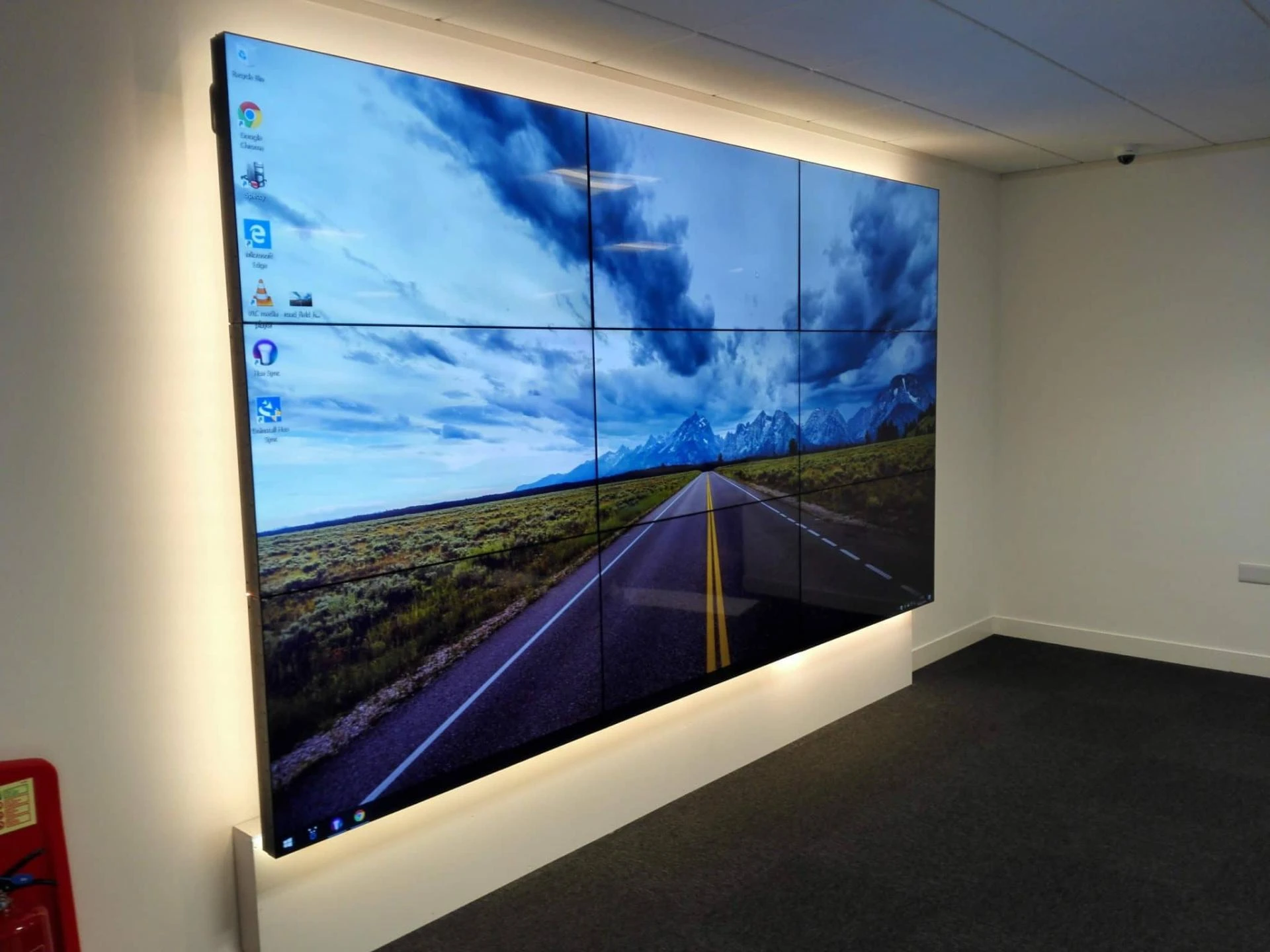

Investing in an LED video wall is a significant decision for any business, venue, or organization. Whether it’s for advertising, presentations, events, or command centers, choosing the right solution requires careful consideration. With a wide range of technologies and specifications available today, it’s essential to understand the features that truly matter. Below are the key aspects to evaluate before making a purchase.
Pixel Pitch and Resolution
One of the most critical features of any LED display is the pixel pitch, which refers to the distance between the centers of two adjacent pixels. A smaller pixel pitch offers higher resolution, meaning sharper and more detailed images. For indoor installations where viewers are closer to the screen, a fine pixel pitch (such as 1.2mm to 2.5mm) is ideal. In contrast, outdoor screens can perform well with larger pixel pitches because viewers are generally farther away. Higher resolution is necessary for content that contains detailed visuals or text.
Screen Brightness and Contrast
Brightness is a vital specification, especially for outdoor or semi-outdoor video walls. Measured in nits, brightness determines how well the screen performs in various lighting conditions. For indoor settings, 800 to 1500 nits is typically sufficient, while outdoor screens may require 3000 nits or more. Contrast ratio also plays a role in display quality. A higher contrast ratio provides more vibrant colors and better visual impact, especially in ambient light.
Viewing Angle
The viewing angle determines how the image looks from different positions around the screen. A wide viewing angle ensures that viewers can enjoy a clear and bright image from almost anywhere in the room or venue. This is especially important in large auditoriums, stadiums, or public installations where people are not all directly in front of the display. A viewing angle of at least 160 degrees both horizontally and vertically is recommended for most applications.
Refresh Rate and Frame Synchronization
The refresh rate defines how frequently the screen updates its image per second, measured in hertz (Hz). A higher refresh rate, such as 3840Hz or more, delivers smoother motion and reduces flickering—crucial for video playback and live events. It also helps minimize issues during camera recordings or live broadcasts. Frame synchronization ensures that content appears seamless and consistent across all display panels, enhancing the overall user experience.
Installation and Maintenance Flexibility
Another important factor is how the LED panels are installed and serviced. Front-access maintenance allows technicians to access internal components from the front of the screen, which is beneficial for installations in tight spaces. Modular panel design makes assembly and replacement easier, while lightweight panels can reduce structural demands. The mounting system should also support both wall-mounted and freestanding configurations based on your application.
Durability and Environmental Protection
For outdoor applications, the video wall must be weather-resistant. Check for an IP65 rating or higher, which ensures protection against dust and water. Even indoor displays benefit from robust enclosures that shield against accidental impacts and temperature variations. Long-lasting components also reduce the frequency of repairs or replacements, lowering the total cost of ownership over time.
Color Calibration and Image Uniformity
Uniform brightness and color accuracy across the entire screen are essential for a professional and cohesive visual presentation. Advanced calibration technology ensures that all panels display consistent hues and brightness levels. Without it, differences in panel output can cause uneven visuals, reducing the effectiveness of the display.
Software Compatibility and Content Management
A reliable content management system (CMS) allows users to easily upload, schedule, and manage media. Look for compatibility with standard file formats, integration with remote control systems, and user-friendly interfaces. Some vendors offer cloud-based CMS platforms that enable real-time updates and centralized control, which is useful for large-scale or multi-location deployments.
Final Thoughts
Selecting the right LED Video Wall involves much more than screen size or brand preference. The right combination of resolution, brightness, maintenance access, and software functionality can significantly impact the success of your installation. By evaluating the above features carefully, you ensure that your investment delivers exceptional visual performance, long-term reliability, and an optimal return.


























Sign in to leave a comment.