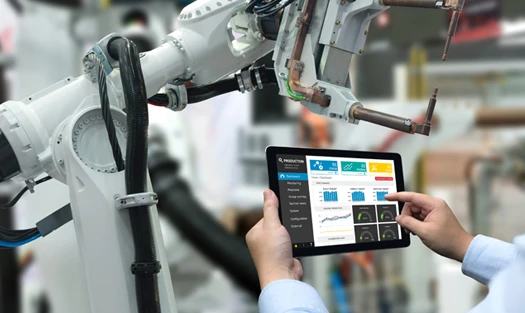

In today’s highly competitive industrial landscape, manufacturers are under constant pressure to improve efficiency, reduce costs, and maintain consistent product quality. Implementing the right Erp for Manufacturing Industry operations is no longer optional—it is essential. A robust ERP solution integrates core business processes, streamlines workflows, and provides real-time insights across departments. However, not all ERP systems are built the same. Choosing the right one requires understanding the key features that truly support manufacturing operations.
Below are the essential features to look for when selecting an Erp for Manufacturing Industry solution like Konnect Erp.
1. Production Planning and Scheduling
Efficient production planning is at the heart of manufacturing success. An ideal ERP system should offer advanced production planning and scheduling tools that allow manufacturers to:
- Forecast demand accurately
- Allocate resources efficiently
- Optimize machine utilization
- Minimize production downtime
Real-time visibility into production processes helps managers quickly adapt to changes in demand or supply chain disruptions. With a system like Konnect Erp, businesses can automate production schedules and ensure smooth coordination between departments.
2. Inventory and Warehouse Management
Inventory mismanagement can result in overstocking, stockouts, and increased operational costs. A strong Erp for Manufacturing Industry must include comprehensive inventory management features such as:
- Real-time stock tracking
- Batch and lot management
- Barcode integration
- Multi-warehouse management
These features ensure that raw materials and finished goods are always accounted for, reducing waste and improving order fulfillment rates. Automated alerts for low stock levels further help maintain optimal inventory levels.
3. Bill of Materials (BOM) Management
The Bill of Materials (BOM) is a critical component in manufacturing. Your ERP system should support multi-level BOM management, enabling you to:
- Define raw materials and components
- Track product structures
- Manage revisions and engineering changes
Accurate BOM management prevents production errors and ensures consistency in product manufacturing. This feature is particularly important for industries dealing with complex assemblies and custom-built products.
4. Quality Control and Compliance
Maintaining product quality and complying with industry standards is non-negotiable in manufacturing. An effective Erp for Manufacturing Industry should include integrated quality control modules that:
- Track quality inspections
- Record non-conformances
- Manage corrective actions
- Ensure regulatory compliance
By embedding quality checks into the production process, manufacturers can reduce defects, improve customer satisfaction, and avoid costly recalls.
5. Supply Chain Management
A connected supply chain improves operational efficiency. ERP software should provide complete visibility into procurement, vendor management, and logistics. Key supply chain features include:
- Supplier performance tracking
- Purchase order automation
- Demand forecasting
- Logistics coordination
With a comprehensive solution like Konnect Erp, manufacturers can strengthen supplier relationships and respond quickly to market fluctuations.
6. Real-Time Reporting and Analytics
Data-driven decision-making is crucial for staying competitive. A powerful Erp for Manufacturing Industry must offer real-time dashboards and customizable reports that provide insights into:
- Production efficiency
- Cost analysis
- Sales performance
- Inventory turnover
Advanced analytics help management identify bottlenecks, reduce operational costs, and improve overall profitability.
7. Financial Management Integration
Manufacturing operations directly impact financial performance. An ERP system should seamlessly integrate accounting and financial management features, including:
- General ledger
- Accounts payable and receivable
- Cost accounting
- Budgeting and forecasting
This integration ensures accurate financial reporting and better control over manufacturing costs.
8. Scalability and Customization
As businesses grow, their ERP needs evolve. A scalable Erp for Manufacturing Industry should adapt to changing production volumes, additional locations, and expanding product lines. Customization capabilities allow businesses to tailor workflows, reports, and dashboards according to their unique requirements.
Konnect Erp is designed with flexibility in mind, making it suitable for small, medium, and large manufacturing enterprises.
9. Shop Floor Control
Real-time shop floor monitoring is another critical feature. The ERP system should provide visibility into machine performance, labor productivity, and work order status. This ensures better coordination between planning and execution teams, leading to improved operational efficiency.
Conclusion
Selecting the right ERP for Manufacturing Industry is a strategic decision that directly impacts productivity, profitability, and long-term growth. From production planning and inventory management to quality control and real-time analytics, the right ERP solution must cover every critical aspect of manufacturing operations.
By choosing a comprehensive and scalable solution like Konnect Erp, manufacturers can streamline processes, enhance collaboration, and gain the competitive edge needed to thrive in today’s dynamic market. Investing in the right ERP software today lays the foundation for smarter, more efficient manufacturing tomorrow.





























Sign in to leave a comment.