
As the global community intensifies its efforts to combat climate change, carbon capture and storage (CCS) has emerged as a critical technology for reducing greenhouse gas emissions. This process, which involves capturing carbon dioxide (CO₂) emissions from industrial activities and storing them underground, is gaining traction across various sectors. Understanding the key drivers behind the growing Carbon Capture and Storage market is essential for stakeholders looking to navigate this evolving landscape.
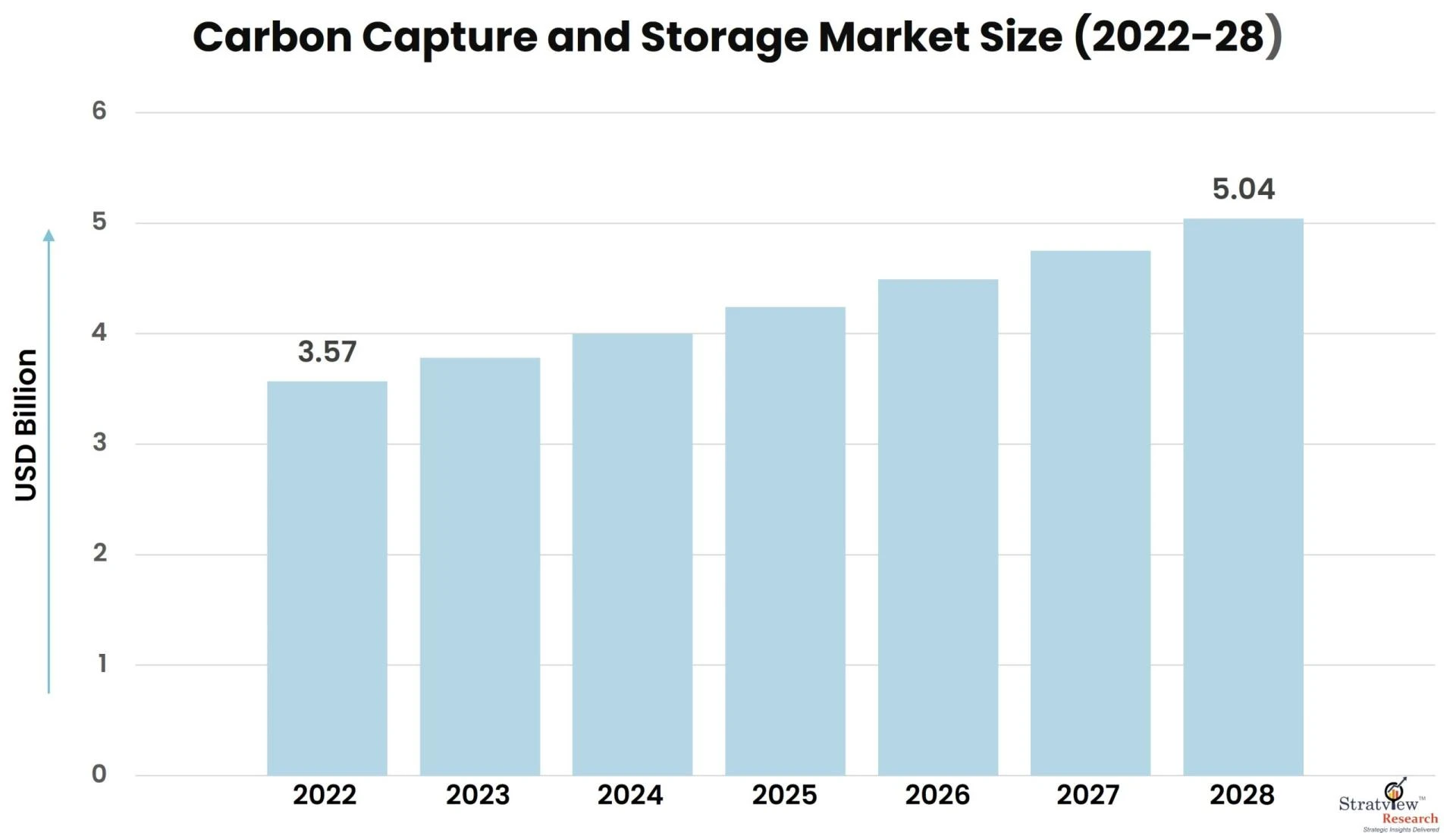
According to Stratview Research, the carbon capture and storage market was estimated at USD 3.57 billion in 2022 and is likely to grow at a CAGR of 5.92% during 2023-2028 to reach USD 5.04 billion in 2028.
Regulatory Pressure and Climate PoliciesGovernments around the world are implementing stringent regulations and ambitious climate targets to mitigate climate change. Policies such as carbon pricing, emissions trading systems, and CO₂ reduction mandates are creating a conducive environment for Carbon Capture and Storage technology adoption. For instance, the European Union's Emissions Trading System (ETS) and similar initiatives in other regions incentivize industries to reduce their carbon footprint, making Carbon Capture and Storage an attractive compliance option.
Corporate Sustainability GoalsWith increasing awareness of environmental issues, many corporations are setting ambitious sustainability targets, including achieving net-zero emissions. Carbon Capture and Storage offers a practical solution for industries where reducing emissions is particularly challenging, such as cement, steel, and chemical manufacturing. By integrating Carbon Capture and Storage into their operations, companies can make significant strides toward their sustainability goals, enhancing their environmental credentials and meeting stakeholder expectations.
Technological AdvancementsContinuous advancements in Carbon Capture and Storage technology are making it more efficient and cost-effective. Innovations in capture methods, such as chemical absorption, membrane separation, and cryogenic processes, are improving the efficiency of CO₂ capture. Additionally, advancements in transportation and storage techniques are reducing the overall cost of CCS projects. These technological improvements are critical in making Carbon Capture and Storage a viable option for a broader range of industries.
Public Awareness and AdvocacyThe growing public awareness of climate change and its impacts is driving demand for cleaner industrial practices. Environmental advocacy groups and informed citizens are putting pressure on governments and industries to adopt sustainable solutions. This societal push for environmental responsibility is a significant driver for the Carbon Capture and Storage market, as industries seek to align with public expectations and regulatory requirements.
Economic Incentives and FundingFinancial incentives and funding opportunities from governments and international organizations are bolstering the Carbon Capture and Storage market. Subsidies, tax credits, and grants are reducing the financial barriers to implementing Carbon Capture and Storage projects. For instance, the U.S. Internal Revenue Service's Section 45Q tax credit provides substantial financial support for CO₂ sequestration, encouraging investment in Carbon Capture and Storage technologies.
Conclusion
The Carbon Capture and Storage market is being propelled by a confluence of regulatory, corporate, technological, societal, and economic drivers. As these factors continue to evolve, Carbon Capture and Storage technology is set to play a pivotal role in the global effort to reduce carbon emissions and combat climate change. Understanding these key market drivers is crucial for stakeholders aiming to capitalize on the opportunities within this dynamic and rapidly growing sector.





























Sign in to leave a comment.