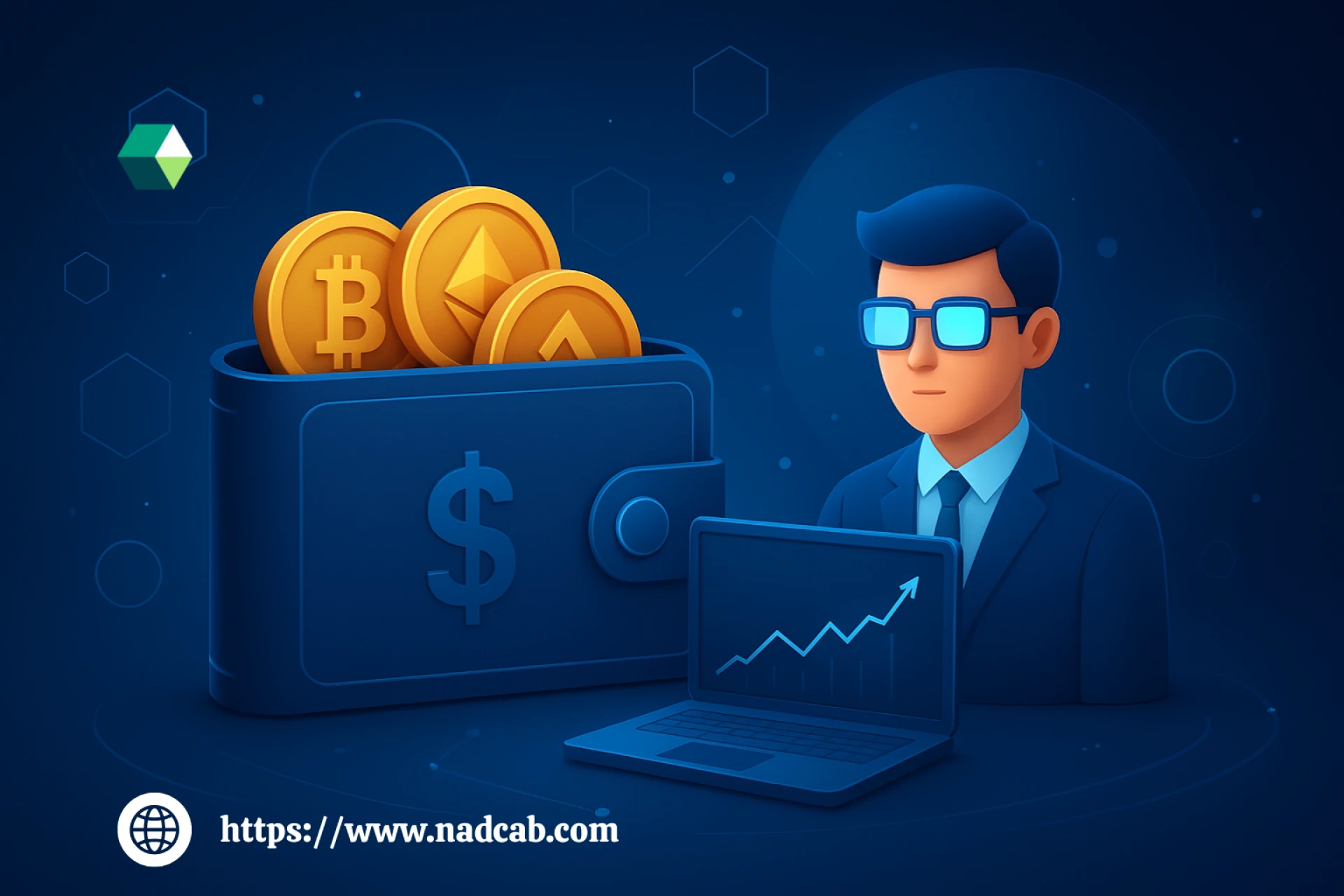

Why It Is Important to Hire the Right Developers for Crypto Wallet Solutions
In today’s rapidly-changing blockchain ecosystem, digital assets are much more than investments—they are the bedrock of the new financial world. Whenever businesses, startups, and enterprises venture into the crypto space, perhaps one of the most important steps is to engage with developers of crypto wallets with the ability to design and develop secure-, scalable-, and feature-rich wallets. However, with so many options for developers, how can we identify the right development talent? This article outlines the key skills and attributes that should be sought after when developing an engagement with crypto wallet developers for your project and for your success in the challenging and highly-competitive Web3 landscape.
1. Comprehensive Knowledge of Blockchain Basics
Development skills for a crypto wallet are firmly built on a complete understanding of blockchain. The developer should have an understanding of decentralized systems, how transactions are validated, and how various consensus mechanisms (such as Proof of Work, Proof of Stake, and Delegated Proof of Stake) operate.
It does not matter whether the wallet is for Bitcoin, Ethereum, Solana, or some multi-chain platform - developers have to understand how these various blockchains differ in their transaction models, gas fees, and scalability. Without this basis, it would be difficult to build a reliable crypto wallet.
2. Skills on Cryptography and Security Protocols
Crypto wallets consider security to be their lifeblood. Having entrusted an individual with private keys and digital assets, it is essential to hire developers conversant with cryptographic algorithms such as AES, RSA, and SHA-256.
A professional crypto wallet developer should also possess skills in the implementation of-
- Two-factor authentication (2FA)
- Multisignature wallets
- Cold storage and hot storage
- End-to-end encryption
Ensuring that these wallets are functional but also resistant to cracking and phishing attempts.
3. Practical Experience with Smart Contracts
For wallets that will interact with DeFi, NFTs, or dApps, it is necessary for practitioners to understand smart contract integration. Developers should understand how to write, deploy, and audit contracts in languages like Solidity, Rust, or Viper.
When a developer has this knowledge, they will be able to develop wallets that do more than simple storage, such as enabling staking, swapping, and NFT transactions directly from the user interface. Hiring a crypto wallet developer with smart contract experience will ensure your wallet will integrate with the broader Web3 ecosystem.
4. Multi-Chain and Cross-Platform Skill Sets
By 2025, users anticipate wallets that can seamlessly function with various blockchains and applications. Developers must have some level of familiarity with multi-chain interoperability protocols, such as Polka dot, Cosmos, or Chain-link.
Additionally, experience working with frameworks like React Native, Flutter, Swift, or Kolten can help developers build wallets that can be used on either Android or iOS phones. The ultimate goal is to provide consistent experience with one wallet for all of a user’s assets and devices.
By hiring developers with multi-chain development skills, you are relying on developers who have experience working with protocols, which will help keep your crypto wallet relevant in an ecosystem defined by interoperability.
5. Backend and API Integration Knowledge
A great crypto wallet is not only a frontend experience, we also need a backend to connect with the blockchain nodes and the APIs. If the developers know the following, that would be ideal:
- Node.js or Python for the backend logic
- RESTful and Web Socket APIs to get blockchain data in real-time
- Integration with crypto exchanges or payment processors
All this will give users the ability to see balances, transaction history and network status instantly and accurately.
6. Comprehension of UI/UX for Web3 Apps
Although technical skill is crucial, user experience is just as important. Wallet developers should closely work with UI/UX designers to design user-friendly interfaces that make the management of crypto as easy as possible, even for beginners.
A well-designed wallet will ideally include-
- A simple layout
- A clear transaction history
- Simplified navigation between tokens
- Quick access to security settings
As the right developer will appropriately balance design and functionality, they will turn complicated blockchain interaction into simple user interfaces.
7. Compliance and Regulatory Standards Knowledge
Since crypto wallets typically store sensitive financial data, developers of wallet applications must comprehend the regulatory landscape including KYC (Know Your Customer), AML (Anti-Money Laundering) and GDPR compliance.
While the blockchain ecosystem creates an emphasis on decentralization, businesses still need to operate within compliance frameworks set forth by global and regional standards. Developers who are sufficiently educated on these compliance metrics can design wallets that are compliant, while offering some measures of privacy.
8. Analysis and Recognition of Learning on Journey to the Future
The crypto ecosystem is growing at a rapid pace — what doesn’t work today may be stale tomorrow. The best wallet developers in the future are curious, flexible and learners of the process.
When you hire someone with a growth mindset, you are not paying for the current state of their skills, you are paying for their ability to grow with technology.
9. Teamwork and Communication
Creating a crypto wallet typically is not a solo task. It involves a team of blockchain engineers, UI/UX designers, testers, and project managers and is critical that you communicate and collaborate well as a team to ensure that you hit the development timelines and meet the business needs of your final product.
10. Post-Launch Support and Maintenance
Following the launch of the wallet, it is important that you continue with updates, bug fixes and maintenance in a timely way. Developers should be prepared to offer long-term support so that the wallet continues to be secure and operates with current blockchain protocols.
Importance of Hiring Crypto Wallet Developers
Hiring the right crypto wallet developers can mean the difference between success and failure in a crypto blockchain product. A well-designed wallet can provide better security, but more importantly, it builds user trust and brand credibility.
What good crypto wallet developers can provide are a blend of blockchain expertise, security thinking, and creative design, allowing you to have a wallet that is future-proof, functional, and offers a good product in the competitive crypto space.
Make a Smart Investment- Hire Crypto Wallet Developers with Relevant Experience
In the decentralized world of Web3, the crypto wallet represents user trust and the user's engagement with your product. You must hire crypto wallet developers who know how to create a decentralized wallet with not only security, but ease of use and innovation.
If you prioritize these skills and evaluate developers accordingly, you can build a secure wallet that is scalable for the decentralized future.
When you are hiring crypto wallet developers with the right experience, you aren't simply hiring software developers, you are building the future of digital currency!
FAQs
Q1. How long does it take to create a crypto wallet?
It can take anywhere from 2 - 6 months to create, develop, test, and deploy a crypto wallet. It just depends on the overall complexity.
Q2. What is the average cost to hire crypto wallet developers?
The cost can vary based mostly on region and skill level, probably around $30,000 and going up to potentially $120,000+ for a comprehensive wallet.
Q3. Are developers able to construct custodial and non-custodial wallets?
Yes, expert developers can build both types of wallets based on your business model and how much control you want the user to have.
Q4. Do I need a development team or a single developer?
If you are designing a more complex wallet, it is usually better to hire a dedicated team, including backend developer(s), frontend developer(s), and blockchain developer (or dev team).
























Sign in to leave a comment.